


Pioglitazone Risk Assessment Tool
How This Tool Works
This tool helps you understand your personal risk of developing side effects from pioglitazone based on your medical history and current symptoms. It's designed to complement, not replace, professional medical advice. Always discuss your risks with your doctor before making any medication changes.
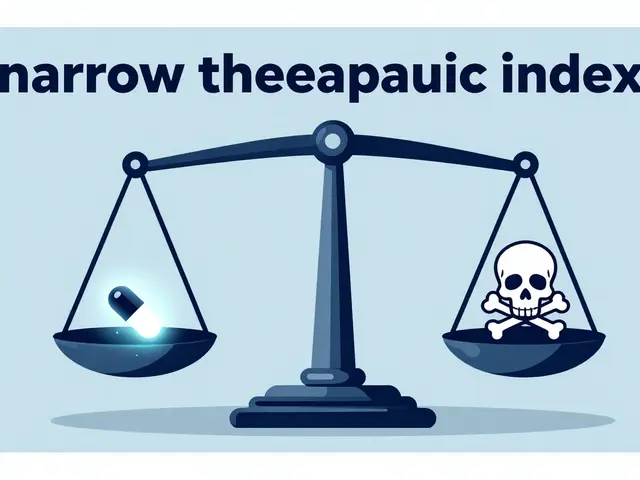
Pioglitazone is a diabetes medication that works well to lower blood sugar, but it comes with serious risks that many patients and doctors don’t fully understand. While it can improve insulin sensitivity and reduce HbA1c by 0.5% to 1.5%, the trade-offs - fluid retention, heart failure, and potential bladder cancer - mean it’s no longer a first-choice drug for most people. If you’re taking it or considering it, you need to know what you’re signing up for.
How Pioglitazone Causes Fluid Retention and Swelling
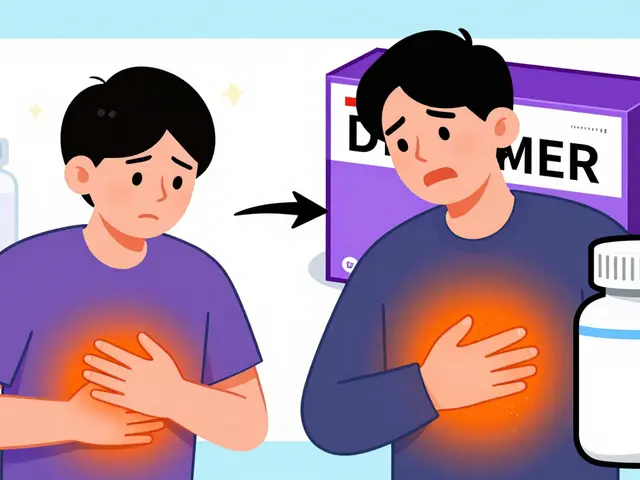
Pioglitazone doesn’t just lower blood sugar - it makes your body hold onto water. About 2 to 5% of people taking it develop noticeable swelling in their legs, ankles, or feet. In larger studies like the PROactive trial, over 27% of patients on pioglitazone experienced edema, compared to just 16% on placebo. That’s more than a 70% increase.This isn’t just cosmetic. The fluid buildup happens because pioglitazone activates PPAR-γ receptors, which increase permeability in small blood vessels and interfere with how the kidneys handle sodium. The result? Extra fluid in your tissues. It’s not caused by eating too much salt or sitting too long - it’s a direct drug effect.
What makes this dangerous is that diuretics often don’t help. If you’re on furosemide or spironolactone and still swelling up, it’s likely because of pioglitazone. The only real fix? Stopping the drug. In clinical reports, swelling usually goes down within days of discontinuation.
The Heart Failure Risk You Can’t Ignore
Fluid retention doesn’t just mean puffy ankles. It can lead to congestive heart failure - especially if you already have heart problems. The FDA requires a boxed warning on pioglitazone packaging: it’s contraindicated in patients with NYHA Class III or IV heart failure. That means if you’ve been hospitalized for heart failure or can’t walk across a room without getting winded, you should not take this drug.Studies show pioglitazone increases the risk of hospitalization for heart failure by about 30%. In one meta-analysis of over 16,000 patients, 2.3% of those on pioglitazone were hospitalized for heart failure, compared to 1.8% on other treatments. That might sound small, but for someone with early heart disease, it’s enough to tip the scales.
Many patients don’t realize they’re at risk until it’s too late. Weight gain of 5 to 10 pounds in a few weeks? Shortness of breath when lying flat? These are red flags. The FDA advises checking your weight weekly after starting pioglitazone. If you gain more than 2 to 3 pounds in a week, contact your doctor immediately. In one 2022 study, clinics that enforced monthly weight checks cut heart failure hospitalizations by 37%.
Bladder Cancer: The Long-Term Concern
In 2011, the FDA issued a warning about a possible link between pioglitazone and bladder cancer. The concern came from a 10-year analysis of the PROactive trial, which showed a 1.2-fold increased risk. That’s not a huge jump - but it’s real. The risk rises with longer use: over 2 years, the chance goes up, and after 5 years, it’s more pronounced.Doctors now avoid prescribing pioglitazone to anyone with a personal history of bladder cancer. Even if you’ve had blood in your urine in the past, or a history of bladder infections, you should be screened before starting. Urinalysis and possibly a cystoscopy may be needed.
It’s not that pioglitazone causes bladder cancer in everyone - far from it. But for people with other risk factors (smoking, older age, exposure to certain chemicals), the added risk isn’t worth it. The European Medicines Agency still restricts its use to second-line therapy only, and only after careful evaluation.
Who Should Never Take Pioglitazone
There are clear groups who should avoid this drug entirely:- Anyone with NYHA Class III or IV heart failure
- Patients with a history of bladder cancer
- People with severe liver disease (pioglitazone is processed by the liver)
- Those with Type 1 diabetes - it doesn’t work without insulin
- Patients with diabetic macular edema (swelling in the retina)
Even if you don’t have any of these, you should still be cautious. If you’re over 65, have high blood pressure, or have had heart problems before, your doctor should check your NT-proBNP levels - a blood marker for heart strain. If it’s above 125 pg/mL, pioglitazone is probably not safe for you.

How Pioglitazone Compares to Other Diabetes Drugs
When you look at newer diabetes medications, pioglitazone looks outdated - and risky.Metformin remains the first-line treatment because it’s safe, cheap, and doesn’t cause weight gain or fluid retention. SGLT2 inhibitors like empagliflozin and dapagliflozin actually reduce heart failure risk - they help the body flush out extra fluid, not trap it. GLP-1 agonists like semaglutide and liraglutide lower blood sugar, promote weight loss, and protect the heart.
Compared to rosiglitazone (another thiazolidinedione), pioglitazone has a slightly better heart profile - but both cause swelling and heart failure risk. Rosiglitazone was pulled from the European market in 2010. Pioglitazone is still available, but only because it has some unique benefits in specific cases.
For example, pioglitazone is still used in non-alcoholic steatohepatitis (NASH), a fatty liver condition linked to diabetes. In the PIVENS trial, it improved liver fat by over 50% in patients, far better than placebo. But even here, doctors use it cautiously and monitor liver enzymes closely.
What Patients Are Saying
Real-world experiences match the data. On patient forums, common complaints include:- "My ankles swelled so bad I couldn’t wear shoes in three weeks."
- "I gained 12 pounds in a month - all water. My doctor took me off it."
- "I had no symptoms until I started coughing at night. Turns out, fluid in my lungs."
Positive reviews are rarer, but they exist:
- "My A1C dropped from 8.7 to 6.9 in 6 months - no hypoglycemia. I’m monitored every month."
- "I have fatty liver disease. Pioglitazone helped more than anything else."
On Drugs.com, pioglitazone has a 5.8 out of 10 rating. Nearly half of users report negative effects. The most common? Swelling and weight gain.
Monitoring and Safe Use
If your doctor still recommends pioglitazone, it’s not because they’re careless - it’s because they believe the benefits outweigh the risks for your situation. But you need to be proactive:- Get a baseline heart exam before starting - including an echocardiogram if you’re over 60 or have risk factors.
- Weigh yourself every morning at the same time, before eating.
- Report any weight gain over 2 pounds in a week, shortness of breath, or swollen legs immediately.
- Ask for urine tests every 6 months to check for blood or signs of bladder irritation.
- Don’t combine it with nitrates - they can worsen fluid retention.
Follow-up appointments should happen at 2 weeks and 1 month after starting. After that, monthly checks for the first 6 months. If everything’s stable, quarterly checks are reasonable.

Is Pioglitazone Still Used Today?
Yes - but far less than before. In 2010, over 18 million prescriptions were written. By 2022, that number dropped to 5.2 million - a 72% decline. Why? Because safer, more effective options arrived.SGLT2 inhibitors and GLP-1 agonists don’t just control blood sugar - they protect the heart and kidneys. They’re now first-line for patients with heart disease or kidney problems. Pioglitazone is now mostly reserved for:
- Patients who can’t tolerate metformin or newer drugs
- Those with NASH or fatty liver disease
- People who need insulin-sensitizing effects without weight gain from insulin
Even then, it’s used at the lowest effective dose - often 15 mg instead of 45 mg - to reduce side effects. Some new studies suggest combining low-dose pioglitazone with empagliflozin may balance out fluid retention, but that’s still experimental.
What’s Next for Pioglitazone?
Researchers are working on next-generation PPAR-γ drugs that keep the benefits without the fluid retention. One candidate, MSDC-0602K, showed 62% less edema in trials while still lowering blood sugar. But it’s still in Phase 2 - not yet available.For now, pioglitazone is a drug of last resort. It’s not dead, but it’s fading. If you’re on it, ask your doctor: "Is this still the best choice for me?" There’s a good chance there’s a safer, more effective option now.
Can pioglitazone cause weight gain?
Yes. Pioglitazone causes weight gain - but it’s mostly fluid, not fat. Most patients gain 5 to 10 pounds in the first few months due to water retention. This is different from the weight gain caused by insulin or sulfonylureas. If you gain more than 2 pounds in a week, contact your doctor - it could be a sign of heart failure.
Is pioglitazone safe for people with heart disease?
It depends. Pioglitazone is not safe for people with moderate to severe heart failure (NYHA Class III or IV). For those with mild heart disease or no symptoms, it may be used cautiously with close monitoring. Studies show it increases hospitalization risk by about 30%. Safer alternatives like SGLT2 inhibitors are preferred for heart patients.
Does pioglitazone cause bladder cancer?
There is a small but real increased risk. Long-term use (over 2 years) is linked to a 1.2-fold higher chance of bladder cancer. The risk rises with cumulative dose and duration. It’s contraindicated in anyone with a history of bladder cancer. Regular urine tests and prompt reporting of blood in urine are essential if you’re on this drug.
Can diuretics help with pioglitazone-induced swelling?
Usually not. Pioglitazone-induced edema is often resistant to diuretics like furosemide. The fluid buildup is due to changes in blood vessel permeability and kidney function, not just excess sodium. Stopping the drug is the only reliable way to resolve it. If swelling persists despite diuretics, pioglitazone is likely the cause.
What are safer alternatives to pioglitazone?
Yes. Metformin is the first-line choice for most people. For those needing more help, SGLT2 inhibitors (like empagliflozin) and GLP-1 agonists (like semaglutide) are preferred. Both lower blood sugar, promote weight loss, and reduce heart failure risk - unlike pioglitazone, which increases it. These newer drugs are now recommended as first- or second-line options in major guidelines.
Next Steps If You’re Taking Pioglitazone
If you’re currently on pioglitazone:- Check your weight daily. Write it down.
- Look for swelling in your ankles, feet, or abdomen.
- Notice if you’re more short of breath than usual, especially when lying down.
- Call your doctor if any of these happen - don’t wait.
- Ask: "Is there a safer drug I could switch to?"
- Request a urine test if you haven’t had one in the last 6 months.
If you’re considering pioglitazone, ask your doctor: "What’s the evidence that this is better for me than metformin, an SGLT2 inhibitor, or a GLP-1 agonist?" The answer should be clear, specific, and based on your individual health - not just convenience or cost.





10 Comments
I took this for 3 months. Swelled up like a balloon. Doc said it was normal. I said no it's not and quit. Done.
People still take this? Wow. I thought it got buried with the dinosaurs. SGLT2 inhibitors are the future. They make you pee out the water instead of trapping it. Genius.
I'm 68 and on pioglitazone for fatty liver. My A1C dropped from 8.1 to 6.5 and I didn't gain fat just water. My doc monitors me every month. If you're careful it's fine 😊
The data is unequivocal. Pioglitazone induces PPAR-γ-mediated sodium retention via ENaC upregulation in the collecting duct, compounded by capillary hyperpermeability. To suggest diuretics are efficacious is medically naive. The only appropriate intervention is discontinuation, which is routinely ignored by primary care providers who lack pharmacokinetic literacy.
It's tragic. We've reduced a molecule that can reverse hepatic steatosis to a villain because of a 1.2-fold relative risk. The real tragedy is that we've replaced it with billion-dollar GLP-1 agonists that cost $1,000 a month while pioglitazone costs $4. We're not treating patients-we're performing corporate theater.
So you're telling me the drug that fixes your liver and lowers A1C is bad because some people get puffy? Next you'll say oxygen is dangerous because people drown in it
I've been on this for 4 years. No swelling no cancer just better liver numbers. I get urine tests twice a year and my heart is fine. Don't let fear scare you off something that works for you. Everyone's body is different. Listen to your doctor not the internet.
In India we still use this because metformin causes stomach issues for many and newer drugs are too expensive. I've seen patients benefit so much. But yes we monitor weight weekly and check urine. It's not the drug that's dangerous-it's the lack of follow-up. Responsibility matters more than the pill.
You all act like pioglitazone is the devil. What about the 10 million people who took it for years and never had a problem? The bladder cancer link is barely above background noise. This is just fearmongering dressed up as science. Where's the data on how many people died from SGLT2 inhibitors because they got dehydration or UTIs? Nobody talks about that.
I think it's important to remember that every medication has tradeoffs and pioglitazone is one of those drugs that works really well for some people in very specific situations like fatty liver or when other drugs don't work or cause side effects and yes the swelling can be scary but if you're being monitored and you catch it early you can avoid the big problems and it's not like the risk is the same for everyone it depends on your age your other conditions your genetics and your lifestyle and if your doctor is paying attention and you're honest with them then it can still be a good option even if it's not first line anymore and I know people who switched off it and ended up worse so it's not black and white