Nimodipine for PTSD: How It Works and What the Evidence Shows
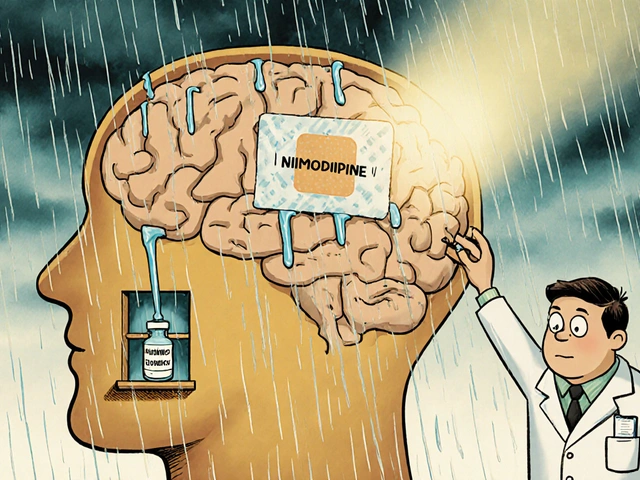
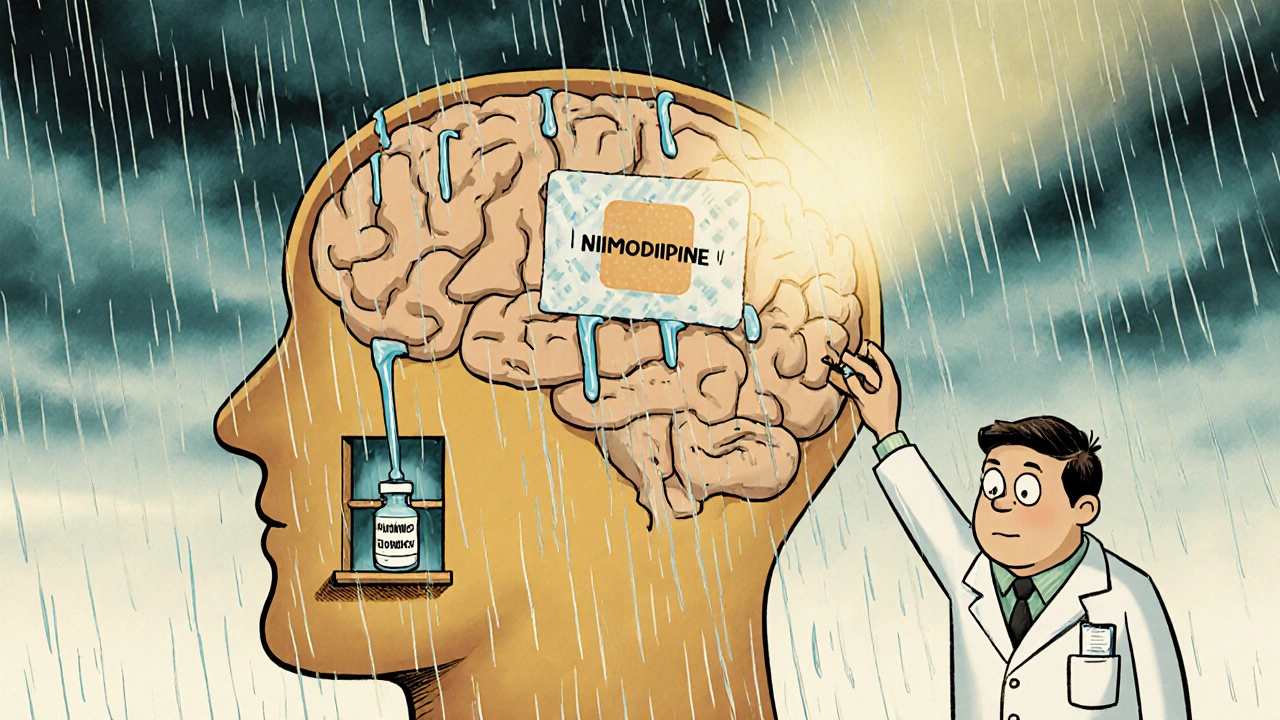
Explore how nimodipine, a brain‑targeting calcium channel blocker, may help ease PTSD symptoms, the science behind it, and what current studies reveal.
Captopril (Capoten) lowers blood pressure but often causes a dry cough. Learn how lisinopril, losartan, and other alternatives compare in effectiveness, side effects, and cost.
IVIVC uses lab-based dissolution testing to predict how a drug behaves in the human body, replacing costly and time-consuming clinical trials. When properly validated, it enables regulatory biowaivers for generic drugs - especially extended-release formulations.
Antihistamines can affect blood pressure depending on the type. Second-generation options like loratadine and fexofenadine are safe for most people with high blood pressure, while decongestant combos and first-gen drugs like Benadryl carry risks. Learn which ones to choose and how to monitor safely.
Immunosuppressed patients face life-threatening infections from organisms that rarely affect healthy people. From Pneumocystis to Giardia and CMV, these infections often show no symptoms until it's too late. Early testing and tailored treatment are critical.
Explore how nimodipine, a brain‑targeting calcium channel blocker, may help ease PTSD symptoms, the science behind it, and what current studies reveal.