SGLT2 Infection Risk Calculator
Calculate Your Risk
Determine your personal risk of genital infections while taking SGLT2 inhibitors based on your medication type, dose, hydration, and hygiene practices.
Your Risk Assessment
Why SGLT2 Inhibitors Cause Genital Infections
When you take an SGLT2 inhibitor like dapagliflozin (Farxiga), canagliflozin (Invokana), or empagliflozin (Jardiance), your kidneys stop reabsorbing glucose. Instead of being pulled back into your bloodstream, excess sugar gets flushed out through your urine. That’s great for lowering blood sugar-but it also turns your genital area into a sweet snack bar for yeast.
Candida, the most common fungus behind these infections, thrives in warm, moist, sugary environments. Studies show women on SGLT2 inhibitors have a 4-12% chance of getting a genital infection, compared to 1-3% on other diabetes meds. Men aren’t immune either-rates jump from under 2% to 2-5%. The higher the dose, the worse it gets: canagliflozin 300mg leads to 12.3% infection rates in women, while 100mg sits at 8.7%.
It’s not just about sugar. The FDA has flagged rare but deadly cases of Fournier’s gangrene-a fast-spreading flesh-eating infection-linked to these drugs. Though only about 1.9 cases happen per 10,000 patient-years, it’s serious enough that all SGLT2 Medication Guides now include warnings and prevention steps.
The Hygiene Routine That Actually Works
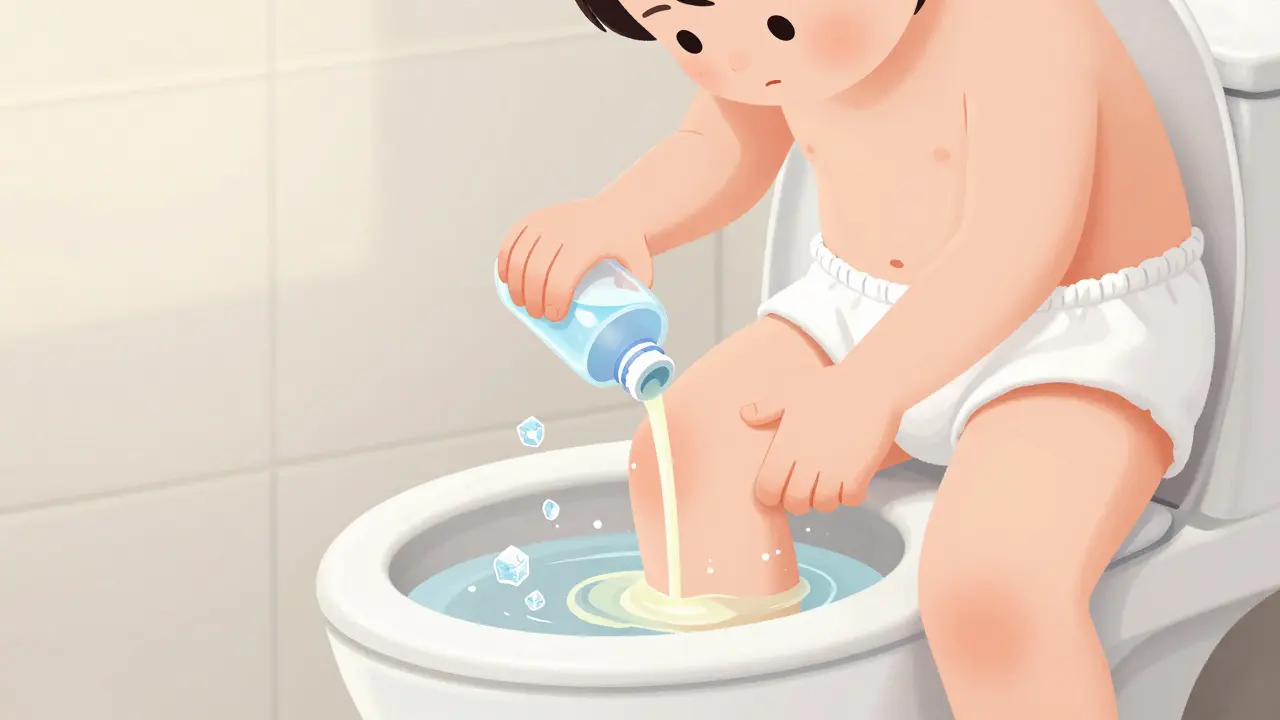
Most people think wiping after using the bathroom is enough. It’s not. For SGLT2 users, you need a simple, repeatable ritual: rinse with water after every pee and before bed.
A 2019 study in Diabetes Journals found that patients who rinsed their genital area after every void and before sleeping cut infection rates by 40% over six months. Those who stuck to it 100%? Zero infections over 18 months. That’s not luck. That’s science.
Women: Wash front to back. Always. Never wipe backward-this drags bacteria from the anus toward the urethra and vagina. Use clean water. Mild soap is okay, but skip alcohol wipes, scented wipes, or douches. They irritate skin and make infections worse.
Men: If you’re uncircumcised, gently pull back the foreskin before washing. Don’t just rinse the outside. Clean underneath. Let it air dry or pat gently with a clean towel. Moisture trapped under the foreskin is a yeast paradise.
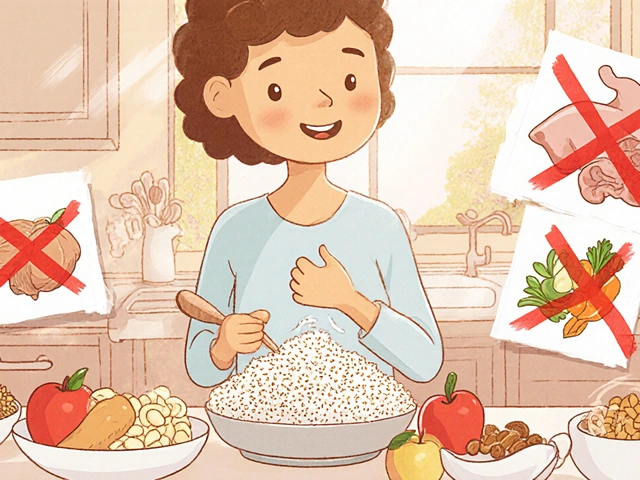
Wear cotton underwear. No synthetics. No tight jeans. Cotton breathes. It pulls moisture away. Tight clothing traps heat and sweat. That’s the perfect storm for fungus.
Hydration Isn’t Optional-It’s a Shield
Drinking enough water doesn’t just help your kidneys. It dilutes the sugar in your urine.
Think of it like this: if your urine is thick with glucose, yeast feast. If it’s diluted, they starve. Aim for 2-3 liters a day. That’s about 8-12 glasses. Not hard. Not fancy. Just consistent.
How do you know if you’re drinking enough? Check your pee. Light yellow or clear? Good. Dark yellow or strong-smelling? You’re behind. Drink more. Especially if you’re active, in hot weather, or sweating a lot.
Some patients think drinking more means peeing more-and that means more sugar exposure. But that’s backwards. More water = less concentrated sugar = less fuel for yeast. You’re not increasing risk-you’re reducing it.
Timing Matters More Than You Think
Hygiene isn’t just about what you do. It’s about when.
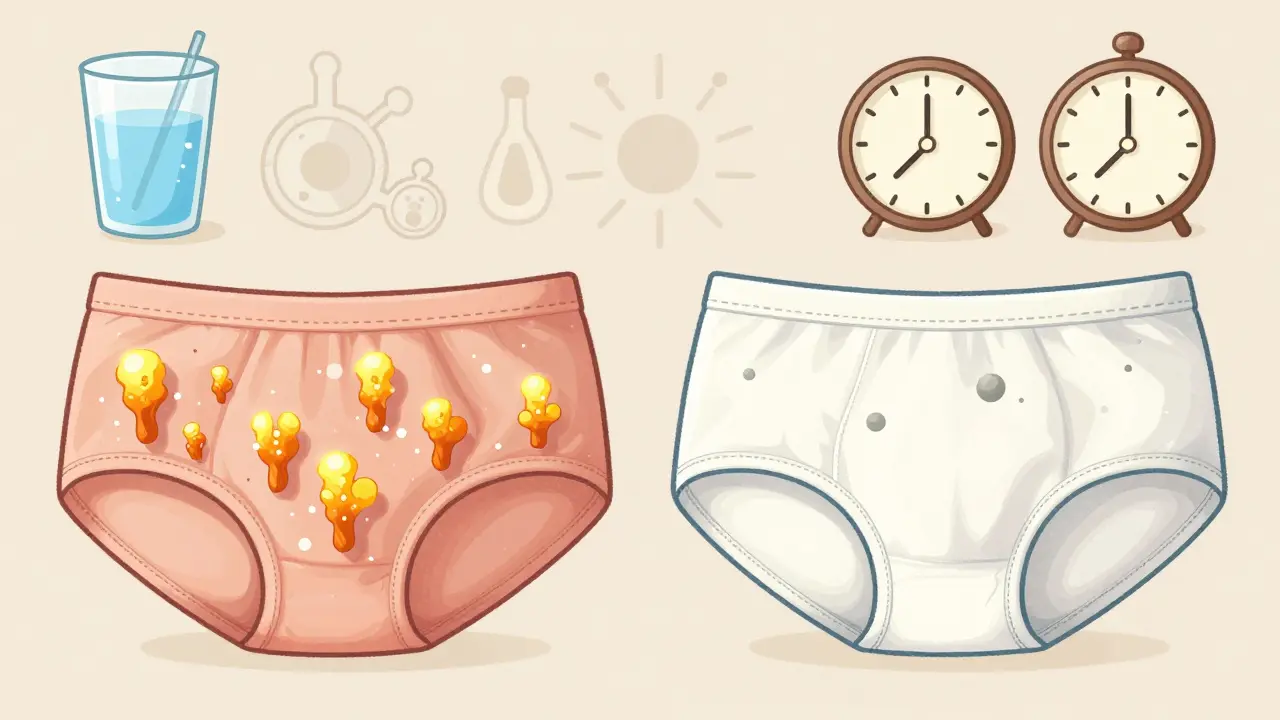
Waiting until bedtime to clean up? Too late. Sugar sits on your skin all day. By the time you shower, yeast has already started growing. Rinse right after you pee. No delay. No excuses.
Set a reminder on your phone if you need to. Or link it to something you already do: rinse after you wash your hands, after you brush your teeth, after you flush. Make it automatic.
For older adults or those with mobility issues, a handheld showerhead or a squirt bottle filled with clean water can make this easy. Occupational therapists have helped elderly patients improve technique by 75% using simple tools like these.
How This Compares to Other Diabetes Drugs
Not all diabetes meds are equal when it comes to infection risk.
Metformin? Around 1-1.5% infection rate. DPP-4 inhibitors like sitagliptin? Similar to placebo-1-2%. GLP-1 agonists like semaglutide? Slightly higher at 1.5-2.5%. But SGLT2 inhibitors? 3 to 4 times higher.
Here’s why this matters: SGLT2 inhibitors aren’t just sugar-lowering pills. They’re heart and kidney protectors. The EMPA-REG trial showed a 38% drop in heart failure hospitalizations. The CREDENCE trial cut kidney disease progression by 30%. That’s huge.
So you’re not choosing between good and bad. You’re choosing between a drug with a manageable side effect and one with fewer side effects but no heart protection. For many, the trade-off is worth it-especially if you’ve got heart disease, kidney issues, or obesity.
When to Talk to Your Doctor
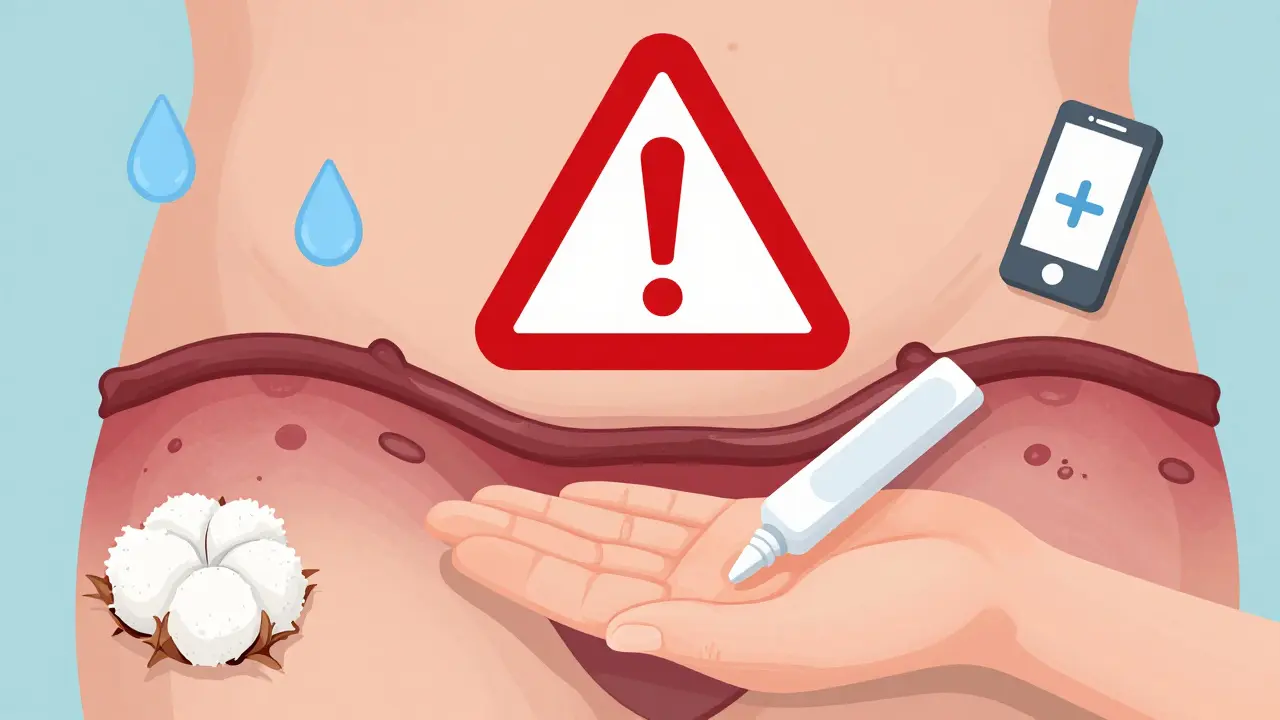
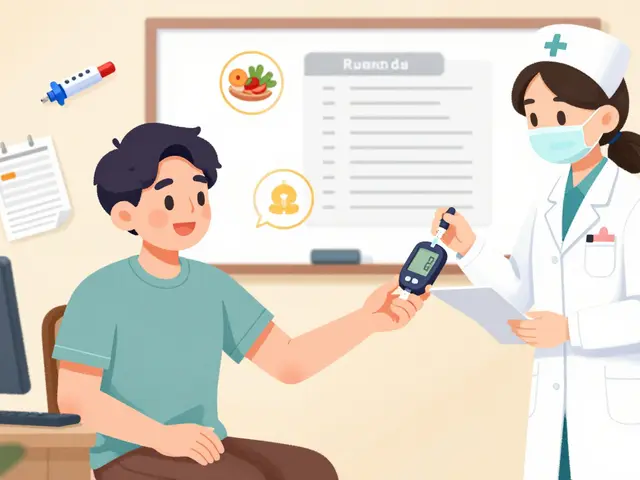
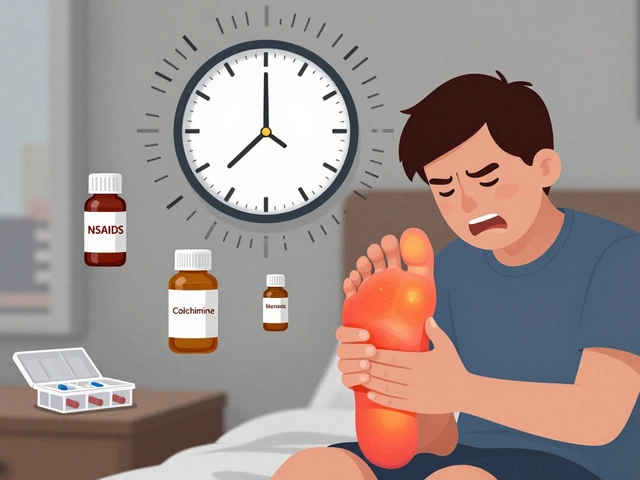
Most genital infections from SGLT2 inhibitors are mild. Redness, itching, discharge-those usually clear up in 3-5 days with over-the-counter antifungal creams like clotrimazole.
But if you see any of these, stop the drug and call your doctor right away:
- Fever or chills
- Severe pain or swelling in the genital or anal area
- Black or dead-looking skin around the genitals
- Strong foul odor or pus
These could be signs of Fournier’s gangrene. It’s rare, but it kills fast. Early treatment saves limbs and lives.
Also, if you’ve had three or more yeast infections in a year while on an SGLT2 inhibitor, talk to your doctor. You might be better off switching to another class of medication. Studies show women with recurrent infections have a 5.7-fold higher risk of repeating them on these drugs.
Real People, Real Results
One woman in her 60s from Wisconsin started on dapagliflozin and got three yeast infections in six months. She felt embarrassed, frustrated, and almost quit the drug. Then her nurse gave her a printed checklist: rinse after every pee, wear cotton, drink water, no scented products. Six months later? Zero infections. She’s still on the drug. Her HbA1c dropped from 8.2% to 6.8%. Her blood pressure improved. Her heart is stronger.
A man in his 50s from Florida used to forget to clean up after peeing. He started using a small bottle of water in his bathroom. He’d squirt, rinse, dry. He didn’t even think about it anymore. His infection went away-and never came back.
On Reddit’s r/diabetes, one user wrote: “I used to think hygiene was just for kids. Turns out, it’s the only thing keeping me on my best diabetes med.”
What’s Next for These Drugs?
SGLT2 inhibitors are now first-line for people with type 2 diabetes who have heart disease, kidney disease, or heart failure, according to the American Diabetes Association’s 2022 guidelines. Sales hit $11.2 billion in 2022. Over 15 million Americans use them.
Pharma companies are working on next-gen versions that lower blood sugar without dumping as much glucose into urine. But none are approved yet.
For now, the answer isn’t to avoid these drugs. It’s to use them smartly. With the right hygiene, hydration, and timing, most people never get infected. And those who do? They recover fast-and keep living better, healthier lives.

10 Comments
This is why India has better hygiene habits than the West. We don't need fancy studies to know water cleans better than wipes. Rinsing after pee? Basic. The fact that Americans need a 2000-word guide to not get yeast infections says everything about their lifestyle. Water is free. Clean underwear is free. Stop overcomplicating it.
So basically... drink water, wash with water, wear cotton. And somehow this is breakthrough science? I'm impressed. Next up: 'How to prevent sunburn by standing in the shade.'
The fact that you have to spell out 'rinse after peeing' like its a life hack for toddlers is honestly embarrassing. I mean really. We're talking about adults here. Not 5 year olds who need a chart. And yet here we are. The medical industry has officially lost its mind.
I’m so glad someone finally said this. I’m a nurse and I’ve seen so many people panic over yeast infections when it’s just about simple hygiene. Water. Cotton. No scented junk. I tell my patients: your body isn’t a science experiment. It just wants to be clean and dry. And honestly? Most people forget that. Not because they’re lazy. Because they’re overwhelmed.
Look I get it. People think this is just about yeast and itching but its way deeper than that. I’m from Mumbai and we’ve been rinsing after peeing since we were kids. My grandma used to say water is the only true medicine. And now science says the same thing. But in the US? You need a 10-step routine with a checklist and a phone reminder. It’s not that Americans are dumb. It’s that they’ve been sold so many complicated solutions that they forgot the simple ones. And honestly? That’s sad. We used to know how to take care of ourselves before Big Pharma started selling us $20 wipes and 12-step protocols.
I’ve been on empagliflozin for 2 years and only had one minor infection. The water + cotton combo did it. I keep a bottle of water by the toilet now. No big deal. I also stopped wearing leggings. Who knew? Simple changes. Big difference. Also, no one told me about the foreskin thing until now. Thanks for that.
It’s interesting how we frame hygiene as a personal responsibility when the drug itself is the root cause. We’re not blaming the sugar in the urine. We’re blaming the person for not rinsing enough. It’s a subtle but powerful shift in narrative. The body becomes the problem. Not the pharmacology.
I just want to say-thank you-for writing this. I had three infections in six months, and I felt so ashamed. Like I was doing something wrong. Like I wasn’t clean enough. But it wasn’t me. It was the drug. And then I started rinsing. And wearing cotton. And drinking water. And guess what? It stopped. I’m not a hero. I just followed basic advice. And I’m so glad someone finally said it plainly.
wait so you just rinse with water after peeing? like no soap? just water? and that’s it? that sounds too easy. i thought you needed special wipes or something. also why is everyone talking about cotton underwear like its magic? mine are 80% polyester and i’ve never had an issue?
The clinical data supporting SGLT2 inhibitors for cardiovascular risk reduction remains robust. However, the incidence of genital mycotic infections, particularly in female populations, is a well-documented class effect. Prophylactic hygiene protocols-specifically perineal rinsing post-void and nocturnal cleansing-demonstrate statistically significant reductions in infection recurrence, as evidenced by the 2019 Diabetes Care cohort study. Hydration serves as a dilutional buffer, reducing urinary glucose concentration below the threshold for fungal proliferation. The use of breathable textiles further mitigates microclimate conditions favorable to Candida albicans. These are not anecdotal recommendations but evidence-based adjuncts to pharmacotherapy.