

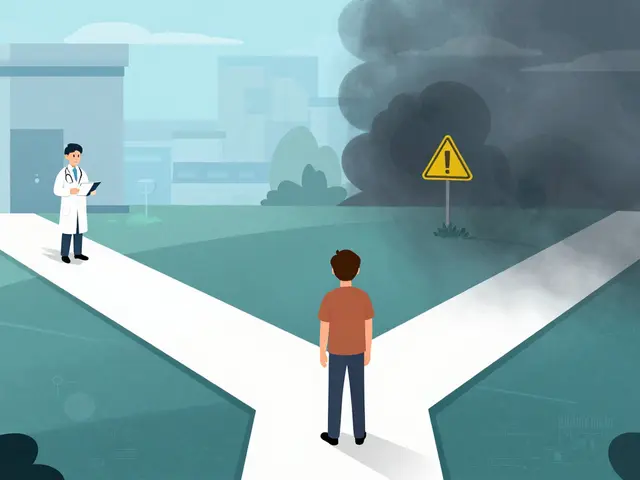
Buying medication online sounds simple-until you realize how many fake pharmacies are out there. In 2023, the FDA estimated that 96% of online pharmacies are illegal. That means if you just type in a drug name and click the first result, you’re more likely than not to end up with fake pills, dangerous dosages, or no medication at all. The good news? There are legitimate, licensed online pharmacies that follow the same safety rules as your local drugstore. The challenge is telling them apart.
What Makes an Online Pharmacy Licensed?
A licensed online pharmacy isn’t just a website that sells pills. It’s a fully regulated business that meets strict legal and safety standards. In the U.S., these pharmacies must be licensed by a state board of pharmacy, have a physical address in the country, and employ licensed pharmacists who review every prescription. They can’t sell controlled substances without a valid, current prescription from a doctor you’ve seen in person or through a legitimate telehealth visit.They also follow federal rules set by the FDA. That means no selling drugs without prescriptions, no shipping medications that haven’t been approved for sale in the U.S., and no hiding behind fake contact info. Legitimate pharmacies use HTTPS encryption-you’ll see a padlock icon in your browser’s address bar-and they accept standard payment methods like credit cards, not wire transfers or Bitcoin.
One of the clearest signs of legitimacy is the VIPPS seal. This stands for Verified Internet Pharmacy Practice Sites, a program run by the National Association of Boards of Pharmacy (NABP). To earn it, a pharmacy must pass 17 separate safety checks, including pharmacist availability, secure data handling, and proper prescription verification. As of late 2023, only 68 U.S. pharmacies held this accreditation. That’s not a lot-but it’s a trustworthy list.
How to Spot a Fake Pharmacy
Fake pharmacies are getting smarter. Some use logos that look just like the VIPPS seal. Others claim to be based in Canada or the UK but are actually operating from countries with weak oversight. Here’s what to watch for:- No prescription required? Red flag. Legitimate pharmacies never sell prescription drugs without one.
- Too-good-to-be-true prices? If brand-name drugs are 80% cheaper than at your local pharmacy, they’re likely counterfeit.
- No physical address or phone number? Real pharmacies list both, and they’re verifiable.
- Only accepts cryptocurrency or wire transfers? That’s a classic sign of a scam.
- Website looks unprofessional? Typos, broken links, and poor design are common in fake operations.
In 2022, Consumer Reports found that 12 people received fake medications from unlicensed sites-including pills labeled as Viagra that contained up to 300% more active ingredient than stated. That’s not just unsafe; it’s life-threatening.
Three Steps to Verify Any Online Pharmacy
Finding a safe pharmacy doesn’t require a degree in pharmacology. Just follow these three steps every time:- Check for the VIPPS seal-but don’t trust the logo on the site. Go to the NABP’s official Safe Site Search Tool and type in the pharmacy’s name or website. If it doesn’t show up, it’s not accredited.
- Verify the physical address-use Google Maps to find the pharmacy’s listed location. If it’s a PO box, a residential address, or doesn’t exist, walk away. Legitimate pharmacies have real, inspected facilities.
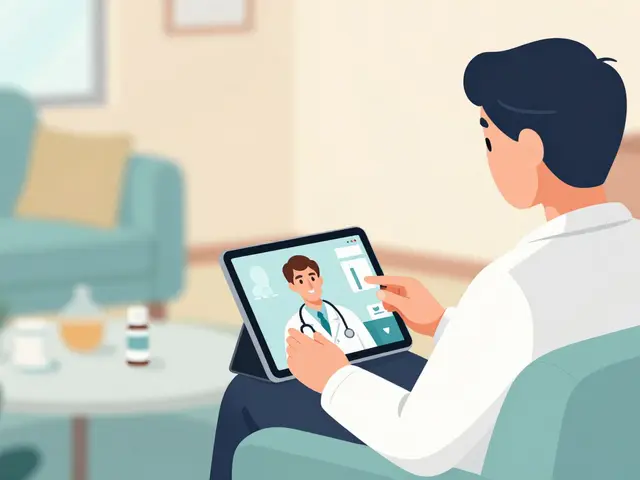
- Confirm pharmacist access-you should be able to call or chat with a licensed pharmacist. If the site only has automated chatbots or no contact option at all, it’s not safe.
Don’t rely on reviews alone. Trustpilot and other sites can be manipulated. A pharmacy with 4.5 stars might still be illegal. Always cross-check with official databases.
What About Canadian Pharmacies?
Many people turn to Canadian pharmacies because prices are lower. But not all Canadian sites are legitimate. Some are based in the U.S. or elsewhere but pretend to be Canadian to gain trust.To verify a Canadian pharmacy, check two things:
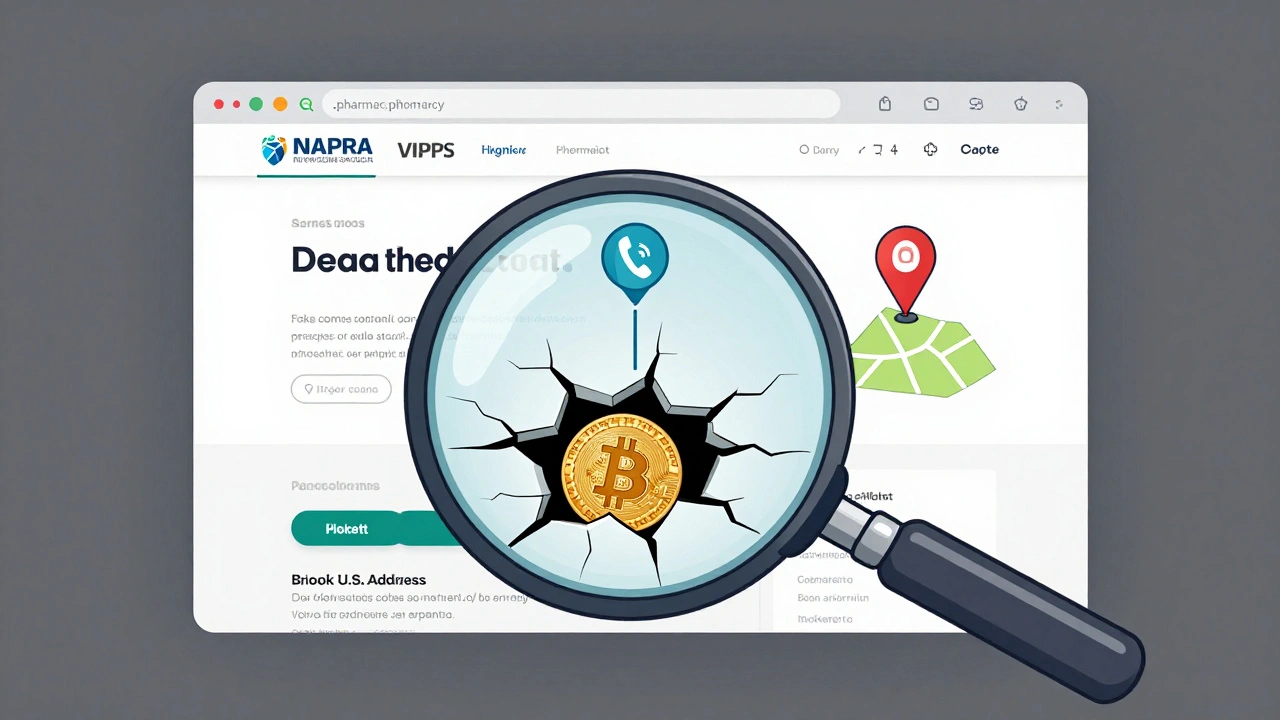
- Is it listed on the National Association of Pharmacy Regulatory Authorities (NAPRA) website? This is the official registry of licensed Canadian pharmacies.
- Does it have a .pharmacy domain? Only pharmacies that pass NABP’s strict verification can use this domain. It’s not just a web address-it’s a digital stamp of approval.
NAPRA’s 2022 audit found that 42% of websites claiming to be Canadian pharmacies were actually operating from other countries. Always double-check.
What You Can and Can’t Order
Even licensed online pharmacies have limits. You can safely order chronic medications like blood pressure pills, diabetes drugs, or antidepressants through mail-order services. Many offer subscription refills and discounts for bulk orders.But some drugs are excluded from mail-order programs for safety reasons:
- Controlled substances like opioids or benzodiazepines (these require in-person visits in most states)
- Medications that need refrigeration (like insulin) unless shipped with proper temperature controls
- Drugs not approved by the FDA
PharmacyChecker, another trusted verification service, excludes over 200 drug categories from its accredited list because of stability or safety risks. If a site claims to sell these, it’s not legitimate.
What Happens If You Buy From a Fake Site?
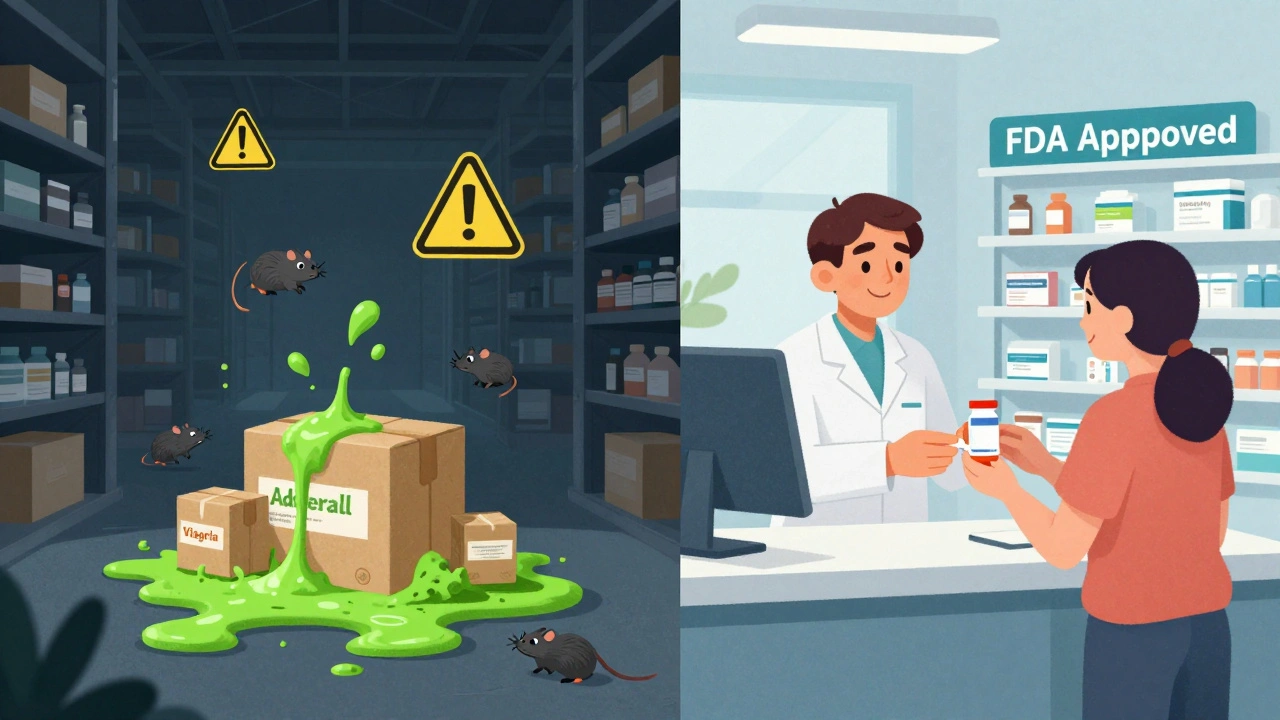
The risks aren’t theoretical. In 2022, the FDA received over 1,800 reports of adverse events linked to online pharmacy purchases. Of those:- 67% involved counterfeit drugs
- 29% involved wrong dosages
- 12% involved toxic ingredients like rat poison or industrial dyes
One patient ordered “Adderall” from a site that didn’t require a prescription. The pills contained methamphetamine and caffeine-far stronger than the real drug. Another bought “Lipitor” that had no active ingredient at all. Their cholesterol levels spiked, leading to a heart attack.
These aren’t rare cases. They’re the norm in illegal online pharmacies.
How to Report a Suspicious Pharmacy
If you find a site that looks fake, don’t just close the tab-report it.- Report to the FDA’s MedWatch program: www.fda.gov/medwatch
- Report to the FTC: www.reportfraud.ftc.gov
- Report to NABP: Use their online complaint form on their website
Even one report can help shut down a dangerous operation. The FDA says over 70% of illegal pharmacy shutdowns start with consumer reports.
What’s Changing in 2025?
The landscape is getting safer. In January 2023, PharmacyChecker started using blockchain to verify prescriptions-making it nearly impossible to forge them. Major platforms like Amazon and Facebook now require third-party certification (like VIPPS or LegitScript) before allowing any pharmacy ads. Credit card companies refuse to process payments for unverified pharmacies.By 2025, experts predict that 45% of all U.S. prescription orders will come through licensed online channels. And with more consumers learning how to verify pharmacies, the fake ones are getting pushed out.
The message is clear: online pharmacies can be safe-if you know how to find them. Don’t guess. Don’t trust logos. Don’t rush. Take 10 minutes to verify. It’s the difference between getting your medicine-and getting hurt.

14 Comments
Man, I used to buy meds online because my insurance sucked. One time I got pills that looked like candy - rainbow dots and everything. Turned out they were just sugar and food coloring. Learned my lesson the hard way. Now I only use VIPPS sites. Seriously, take 10 minutes to check. Your life’s worth it.
The structural inadequacy of consumer-grade pharmaceutical verification mechanisms is a direct consequence of neoliberal deregulatory frameworks that prioritize profit over public health. The VIPPS seal is a Band-Aid on a hemorrhaging artery. Regulatory capture by NABP and FDA renders these 'solutions' performative at best. Real reform requires dismantling the pharmaceutical-industrial complex - not trusting logos.
YOU THINK THIS IS ABOUT PHARMACIES? LOL. The FDA and NABP are in bed with Big Pharma. They only approve 'licensed' pharmacies that sell the exact same overpriced drugs the big companies want you to buy. The real danger? The government lets you think you're safe while they control what meds you can even access. That 'VIPPS' seal? It's a marketing tool. They're not protecting you - they're controlling you. And don't even get me started on the .pharmacy domain. It's all a trap.
So basically if you want to live you gotta Google like it’s a treasure hunt? 🤦♂️ I just want my blood pressure pills without becoming a detective. Why does this have to be so hard? Also I clicked a site that looked legit and it had a padlock… then I saw they accepted crypto. I almost bought it. My bad. Lesson learned. But seriously - this system is broken.
I checked three Canadian pharmacies last week. Two had .pharmacy domains. One had a real address in Toronto. The third? Their 'headquarters' was a warehouse in Ohio with a Canadian flag sticker slapped on the door. The FDA’s 96% stat isn’t just a number - it’s a warning label on every search result. And yet, people still click. Why? Because they’re desperate. Not stupid. Just desperate.
Y’all need to chilllll 😌 I’ve been ordering my diabetes meds from a VIPPS site for 3 years. Saved me $800/month. The process? 10 minutes. Verify. Call the pharmacist. Done. No drama. No conspiracy. Just common sense. If you’re scared, ask your doctor to recommend one. They’ve got lists. 💉❤️
Wow. A whole article about how to not get scammed by people who are literally trying to sell you poison. And yet, somehow, we still live in a world where this is necessary. Truly, the pinnacle of human innovation. Next up: How to avoid being poisoned by your toaster. Stay vigilant, folks. Your life depends on it… or doesn’t, because apparently we’re all just lab rats.
OMG I JUST FOUND A PHARMACY THAT LOOKED SO CUTE AND FRIENDLY AND THEN I REALIZED THEY ASKED FOR BITCOIN 😭 I WAS SO CLOSE TO BUYING MY ANTIBIOTICS FROM THEM. THANK YOU FOR THIS POST. I FEEL SO MUCH SAFER NOW. I’M GOING TO SHARE THIS WITH MY MOM SHE’S ALWAYS BUYING STUFF OFF FACEBOOK. YOU’RE A HERO 💪💖
There’s a deeper question here: Why do we allow our access to essential medicine to be mediated by corporate gatekeepers and bureaucratic seals? The real issue isn’t fake pharmacies - it’s that medicine is treated as a commodity, not a right. If everyone had affordable, legal access through public systems, none of this would matter. But we’d rather make people dig through 100 fake sites than fix the system. That’s the real tragedy.
bro u all know the usa is just lying to you right? the vipps thing? fake. the .pharmacy domain? controlled by the feds. the whole thing is a psyop to make you think you're safe while they track your meds and sell your data. i got my insulin from a site in india and it worked better than my us pharmacy. they dont want you to know that. they want you scared. so you pay more. think for yourself.
People are dumb. They click links. They don’t read. They trust Google. They think 'padlock' means safe. Then they die. It’s not complicated. Don’t buy stuff online. Go to a pharmacy. Pay the price. It’s not that hard. Stop being lazy. This article is just a glorified PSA for people who can’t read a warning sign.
I’m so proud of how far we’ve come! 🌟 My cousin in Florida used to buy pills off Instagram - now she uses PharmacyChecker and even calls the pharmacist to say hi. It’s not perfect, but people are learning. And that’s what matters. Keep sharing this. One person at a time, we’re making it safer. 💕 You’re not alone in this.
The VIPPS seal is a meaningless credential. It’s a marketing gimmick created by a trade association with zero regulatory authority. The FDA doesn’t even endorse it. The .pharmacy domain? A vanity TLD that costs $500/year - anyone with a credit card can get it. This entire article is a PR op for NABP. You’re being manipulated into trusting a logo, not a system. The real safety lies in regulation - not certification.
Stop. Just stop. This is not a suggestion. This is a life-or-death checklist. If you skip verifying the physical address, you’re gambling with your organs. If you don’t call the pharmacist, you’re trusting strangers with your health. If you use cryptocurrency, you’re funding criminals. This isn’t opinion. This is medical fact. And if you ignore it, don’t come crying when you end up in the ER because your 'Viagra' gave you a stroke. You had every tool. You chose to ignore it. Own it.