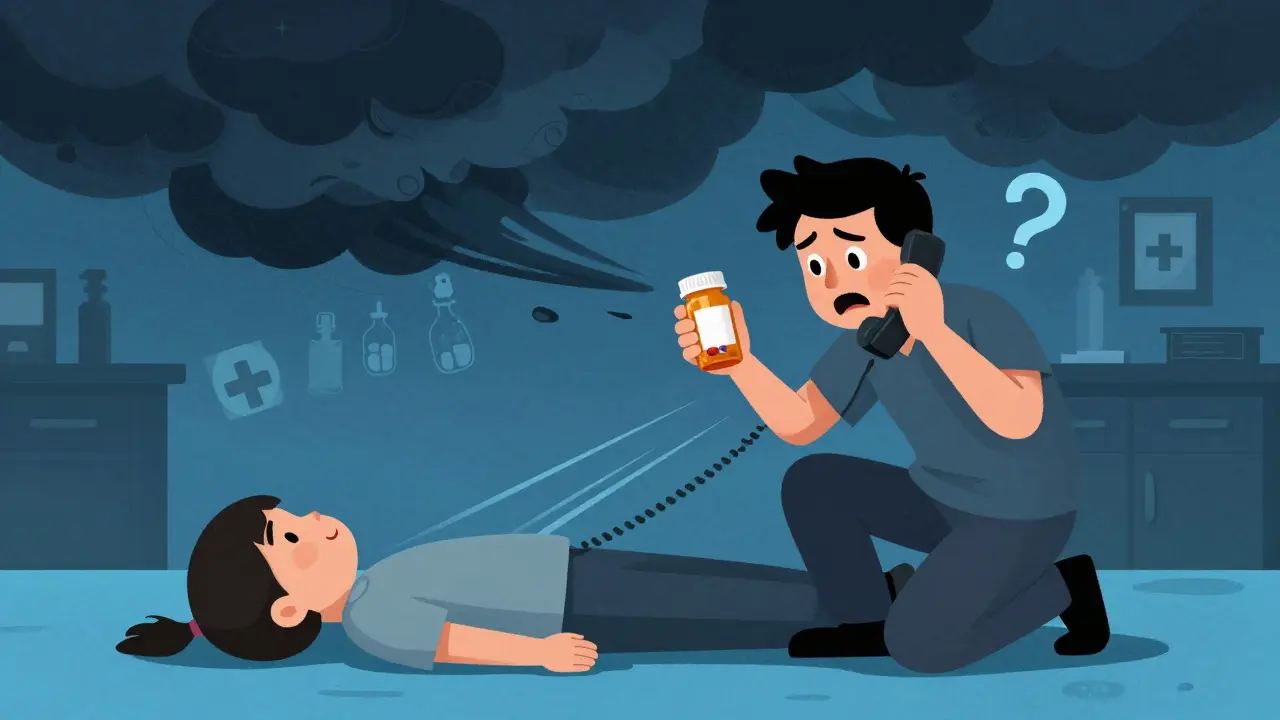

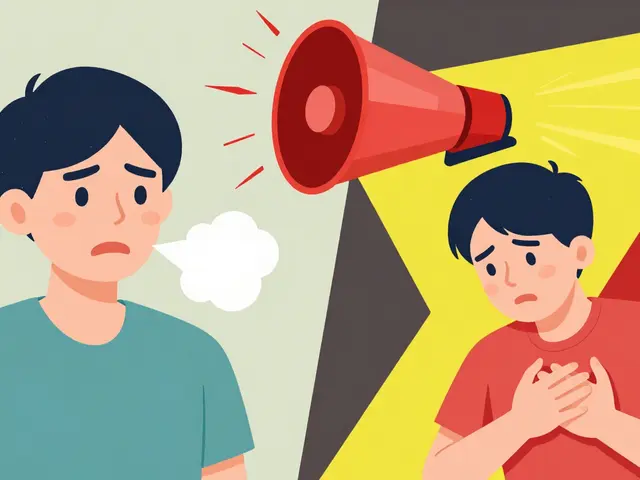
When someone overdoses, every second counts. But calling the wrong number can cost time, resources, and even lives. You might think, "Should I dial 911 or Poison Control?" The answer isn’t simple - it depends on what’s happening to the person and what they took. Knowing the difference isn’t just helpful - it’s lifesaving.
When to Call 911 Immediately
Call 911 right away if the person shows signs of a life-threatening emergency. These aren’t "wait and see" situations. If they’re not responding, struggling to breathe, or having seizures, you need paramedics on the scene now.- Unconscious or unresponsive - If they don’t wake up when you shake them or shout their name, or if they don’t react to pain (like a sternum rub), call 911. A Glasgow Coma Scale score below 8 means their brain isn’t functioning properly.
- Difficulty breathing or stopped breathing - This is one of the top causes of death in overdoses. If their chest isn’t moving, or they’re gasping, wheezing, or turning blue, this is cardiac arrest territory.
- Seizures lasting more than 5 minutes - A single seizure might be alarming, but a prolonged one can cause brain damage. Don’t wait for it to stop on its own.
- Low blood pressure - If their systolic blood pressure drops below 90 mmHg, their organs aren’t getting enough oxygen. This can happen fast with overdoses of heart medications like beta-blockers or calcium channel blockers.
- Infants under 1 or adults over 79 - Their bodies process drugs differently. Even a small overdose can be deadly. Don’t risk waiting for advice - go straight to 911.
- Intentional overdose - If someone took pills to harm themselves, even if they seem fine now, they’re at high risk of crashing within minutes. Over 40% of intentional overdoses lead to breathing problems within 15 minutes.
For opioid overdoses - like heroin, fentanyl, or prescription painkillers - give naloxone (Narcan) if you have it, then call 911. Naloxone can reverse the overdose, but its effects wear off faster than some opioids. That means the person can stop breathing again after you think they’re fine. Emergency responders need to monitor them for hours.
When to Call Poison Control (1-800-222-1222)
Poison Control is not a backup to 911. It’s a first-line expert resource for stable situations where there’s no immediate danger. Use it when the person is awake, breathing normally, and you know exactly what they took.- Accidental double dose - A child takes two children’s Tylenol instead of one. An adult accidentally takes two pills of their blood pressure medication. If they’re acting normal and have no symptoms, Poison Control can guide you on whether to watch, wash out the stomach, or go to the ER.
- Single-substance exposure with no symptoms - If someone swallowed one unknown pill and is fine 30 minutes later, call Poison Control. They can identify the substance and tell you what to expect.
- Within 2 hours of exposure - Poison Control is most effective when the exposure is recent. After 4 hours, most toxins have been absorbed. If no symptoms have shown up by then, the risk is usually low - but still call to confirm.
- Non-life-threatening household exposures - A toddler eats a dab of cleaning product. A teen sniffs glue. If they’re alert and breathing normally, Poison Control can help you decide if a hospital visit is needed.
Poison Control handles over 2 million cases a year. About 82% of pediatric cases under age 6 are managed safely at home after their advice. That means fewer unnecessary ER trips - which saves time, money, and stress.
What to Have Ready Before You Call
Whether you’re calling 911 or Poison Control, you need to be ready with facts. The faster you give details, the better the advice.For Poison Control, have these ready:
- Exact product name - Not "painkiller" - "ibuprofen 200 mg tablet" or "fentanyl patch 25 mcg/hour". Brand names matter.
- Amount ingested - "One pill," "half a bottle," "20 milliliters." Estimate as accurately as possible.
- Time of exposure - "About 45 minutes ago." Even a 15-minute estimate helps.
- Patient’s weight - Especially for kids. Many treatments are based on weight in kilograms. If you don’t know, guess within 10% - better than nothing.
- Current symptoms - "They’re sleepy but responsive," "vomiting once," "no breathing trouble."
- First aid given - "I gave them water," "I tried to make them throw up."
For 911, the dispatcher will ask similar questions, but your priority is to describe the emergency clearly:
- "My 68-year-old father took his entire bottle of metoprolol and is unconscious."
- "My 3-year-old swallowed a whole bottle of children’s melatonin. She’s breathing, but won’t wake up."
Bring the container if you can. The label has the exact dose, formulation (extended-release?), and ingredients. A pill that says "extended-release" can be far more dangerous than the same drug in regular form.
Special Cases That Change the Rules
Some situations look harmless - but aren’t. Here are the exceptions you can’t afford to miss.- Carbon monoxide poisoning - Even if someone just has a headache or dizziness, call 911. Carbon monoxide can cause brain damage hours later. Poison Control now tells everyone to call 911 immediately for any suspected exposure.
- Children under 6 - They’re not just small adults. A single pill of clonidine (used for ADHD or high blood pressure) can stop a child’s breathing. If they took anything labeled "prescription," call Poison Control - but if they’re sleepy, limp, or unresponsive, call 911.
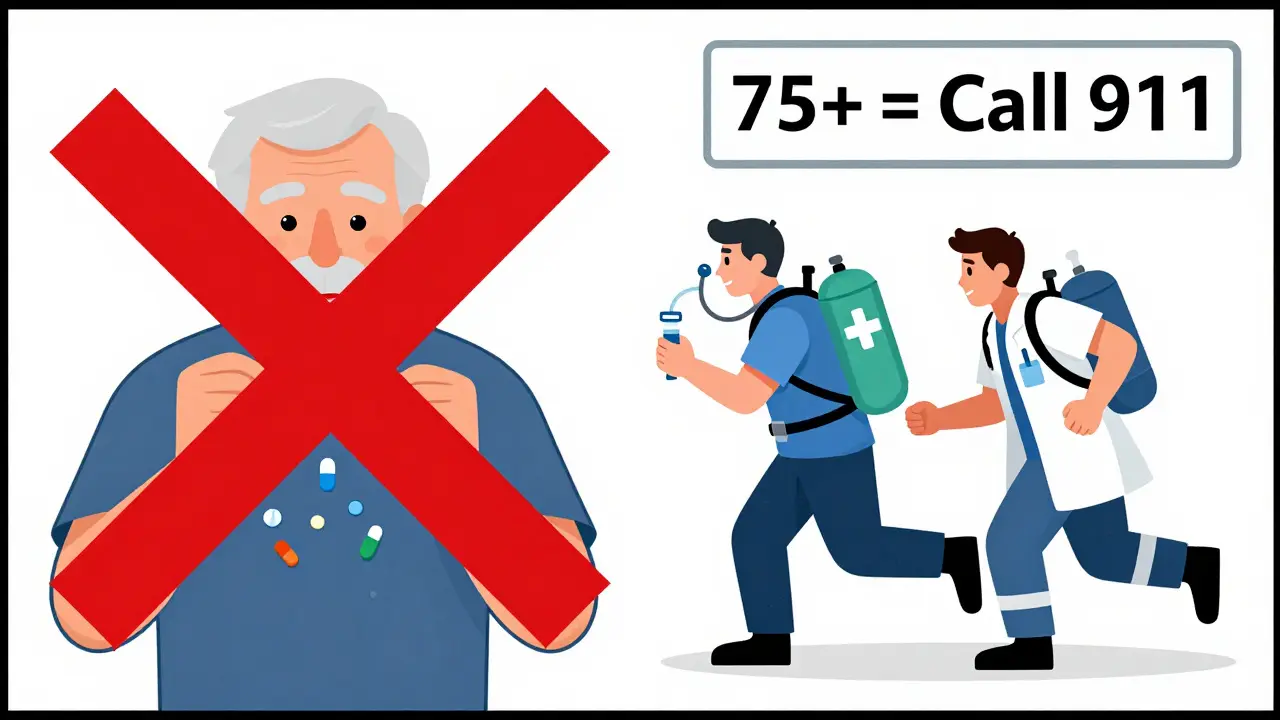
- Older adults (75+) - They often take 5+ medications. A small overdose of one drug can interact badly with another. Any overdose in this group should go straight to 911.
- Multiple substances - Mixing alcohol, opioids, and benzodiazepines? Even if they’re not passed out, their system is in chaos. Call 911. The risk of delayed collapse is too high.
What Happens When You Call?
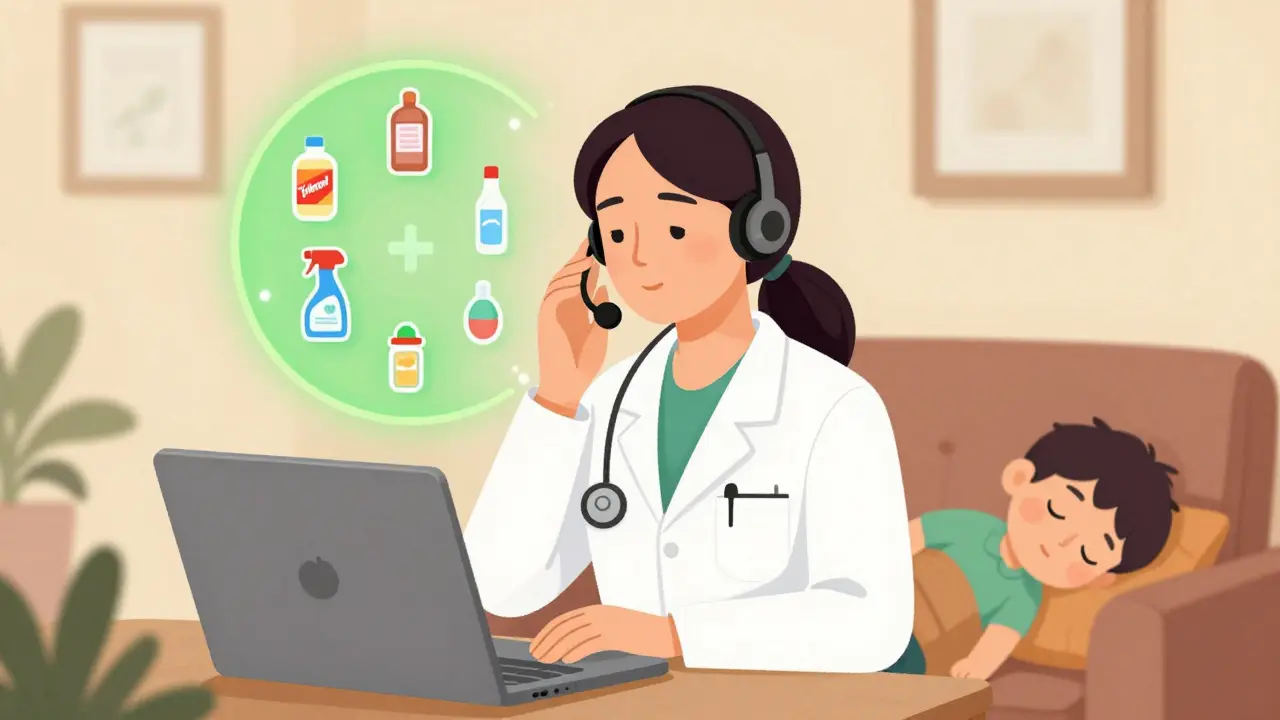
The Poison Control hotline (1-800-222-1222) connects you to a specialist - usually a pharmacist or nurse trained in toxicology. They’ll ask you the questions above and give you step-by-step instructions. Most calls are handled in under a minute. In 2022, the median wait time was just 28 seconds.Emergency services? They’ll send an ambulance. Paramedics carry naloxone, oxygen, IV fluids, and monitoring gear. They can start treatment before you even get to the hospital.
Here’s what you might hear from Poison Control:
- "Keep watching them. If they start vomiting or get drowsy, call 911."
- "Give them water. Don’t induce vomiting. Bring them in if they develop a rash."
- "You’re safe to monitor at home. Call back if anything changes."
And here’s what 911 will do:
- "Stay on the line. We’re sending an ambulance. Don’t move them unless they’re in danger."
- "If they stop breathing, start CPR. I’ll guide you."
Why This System Exists - And Why It Matters
Poison Control exists to reduce unnecessary ER visits. Studies show that when people call Poison Control first for low-risk cases, ER transports drop by over 38%. That saves hospitals $1.8 billion a year. But more importantly, it keeps ERs open for people who truly need them.At the same time, 911 isn’t just about transport - it’s about speed. Paramedics can give naloxone, start breathing support, and alert the ER before arrival. That’s what turns a possible death into a recovery.
Don’t waste time trying to figure it out alone. If you’re unsure, call Poison Control. They’ll tell you if you need to call 911. But if you see any of the warning signs above - don’t hesitate. Dial 911.
What Not to Do
- Don’t wait to see if they "get better." Some poisons cause delayed collapse. What looks like a minor case can turn deadly in 30 minutes.
- Don’t give them milk, charcoal, or ipecac. Unless Poison Control tells you to. Inducing vomiting can make things worse.
- Don’t rely on apps or websites alone. The webPOISONCONTROL tool is great for planning - but not for emergencies. If someone is symptomatic, call a human.
- Don’t assume "it’s just a pill." Even common drugs like acetaminophen or aspirin can be deadly in large doses. A 2022 study found 94.7% of acetaminophen overdoses under 150 mg/kg are safe to manage with Poison Control - but over 250 mg/kg? That’s an ER emergency.
| Scenario | Call Poison Control | Call 911 |
|---|---|---|
| Child takes one children’s vitamin, no symptoms | ✓ | |
| Teen takes 10 ibuprofen pills, feels dizzy | ✓ | |
| Adult accidentally takes double dose of blood pressure med, alert and breathing normally | ✓ | |
| Person found unconscious with empty pill bottle | ✓ | |
| Someone took fentanyl patch and is not breathing | ✓ | |
| 68-year-old takes 5 pills of metoprolol, no symptoms yet | ✓ | |
| Family member ingests cleaning product, vomiting but awake | ✓ | |
| Carbon monoxide exposure - headache, nausea | ✓ |
Frequently Asked Questions
Can I just go to the ER instead of calling anyone?
Yes, but it’s not always the best choice. If someone is having a life-threatening reaction - unresponsive, not breathing, seizing - go straight to the ER. But if they’re stable and you’re unsure, calling Poison Control first saves time. They can tell you whether the ER is necessary, and even give you instructions to follow on the way. Going without calling first can mean longer waits and less targeted care.
What if I don’t know what they took?
Call Poison Control anyway. They have databases with over 100,000 substances. Bring the container, even if it’s empty. Look for pill markings, colors, or any text. If it’s a liquid, note the color, smell, and container shape. If it’s a pill, describe it: "round, white, with an M on one side." The specialists can still give you guidance - even without a full name.
Is Poison Control free and confidential?
Yes. The Poison Help hotline (1-800-222-1222) is completely free and confidential. No insurance is needed. No records are shared with law enforcement unless there’s evidence of child abuse or intentional harm. The service is funded by federal grants and hospitals - not by callers.
Can I use the Poison Control app instead of calling?
The Poison Control app (webPOISONCONTROL) is great for learning what to do ahead of time - like if you’re worried about a child getting into medicine. But it’s not a substitute for calling in an emergency. If someone is having symptoms - drowsiness, vomiting, trouble breathing - you need to talk to a live specialist. The app can’t assess real-time danger.
What if I’m not sure whether it’s an overdose?
Call Poison Control. They’ve handled millions of cases. If it’s not serious, they’ll tell you. If it is, they’ll tell you to call 911. It’s better to make one call and get it right than to guess and lose time. Don’t worry about "bothering" them - that’s what they’re there for.
Next Steps
- Save 1-800-222-1222 in your phone. Label it "Poison Control."
- Keep medicine locked up - especially for kids and seniors.
- Know the risks - even "safe" meds like Tylenol or Benadryl can overdose.
- Have naloxone if someone in your home uses opioids. It’s available without a prescription at most pharmacies.
- Teach others - Your teen, your elderly parent, your neighbor. This knowledge saves lives.
Overdose isn’t always dramatic. Sometimes, it’s quiet. A person who just fell asleep after a pill. A child who ate something they shouldn’t have. The difference between life and death often comes down to one decision - and knowing which number to dial.

13 Comments
Had a friend overdose last year on fentanyl. Called 911 right away. Paramedics got there in 7 minutes. Gave Narcan, stabilized him. They said if we’d waited even 10 minutes, it would’ve been too late. This guide is spot on. No hesitation when breathing stops.
As a healthcare professional, I appreciate the clarity here. Too many people assume Poison Control is a substitute for emergency care. It’s not. The distinction between stable exposure and life-threatening symptoms is critical. This could literally save a life.
I work in pediatrics. Every time a parent says "it was just one pill," I cringe. A single clonidine tablet can stop a toddler’s breathing. That’s not a myth. That’s a fact. This post should be mandatory reading for every caregiver. Especially grandparents. They don’t always know what’s dangerous anymore.
They say Poison Control is free and confidential. But what if they report you to social services? What if your kid gets taken away for accidentally swallowing a vitamin? I’ve heard stories. They don’t care about intent. They just see a case file. I’d rather drive to the ER and pay $500 than risk that.
My aunt in Delhi took 4 paracetamol by mistake. She was fine. Called Poison Control. They said drink water, monitor. No ER needed. Saved us 2000 rupees and 4 hours of waiting. This info matters. Especially where hospitals are packed.
One thing missing here: what if you’re alone? No one else around? Call 911 anyway. Even if you’re not sure. The dispatcher will walk you through it. Better to be wrong and safe than right and dead. I’ve been there. It’s scary. But you don’t have to be brave. Just call.
My mom took a whole bottle of her blood pressure med. She was fine. No symptoms. We called Poison Control. They told us to watch for dizziness. 2 hours later she got dizzy. We went to ER. Turned out she needed a stomach pump. Poison Control saved us. Don’t wait. Call them first. Always.
Used to think Narcan was only for heroin. Then I found out it works on fentanyl too. And carfentanil. And even some synthetic opioids you’ve never heard of. That’s why you give it even if you’re not sure. It’s safe. It won’t hurt someone who didn’t take opioids. Just call 911 after.
It is somewhat disconcerting that the general public is expected to navigate toxicological triage with such precision. The reliance on laypersons to distinguish between acute and subacute poisoning is, frankly, a systemic failure. A centralized, automated triage protocol - perhaps AI-driven - would be more scientifically sound than this ad hoc human judgment model.
my kid ate a whole bottle of melatonin last year. she was super sleepy but breathing. called poison control. they said watch her, dont wake her up, call 911 if she stops breathing. we did. they said she was fine. saved us a trip. dont panic. just call.
POISON CONTROL IS A LUXURY SERVICE FOR PEOPLE WHO CAN AFFORD TO WAIT. Meanwhile, 911 is the only thing that matters when someone’s blue. If you’re not ready to scream "I NEED AN AMBULANCE" into a phone, you shouldn’t be near medicine. 😅
My cousin took two different painkillers by accident. Said she felt fine. We called Poison Control. They said: "Monitor for 2 hours. If she gets dizzy or vomits, go to ER." She got dizzy at hour 1.5. We went. She got IV fluids. No long-term damage. They saved her. I’ll never forget it.
Save 18002221222 in your phone. Right now. Not later. Not when you need it. Now. I keep it under "Emergency" with 911. My sister says I’m paranoid. I say I’m prepared. One call. No cost. Could save your kid. Or your mom. Or you.