


Medication Side Effect Management Planner
Your Targeted Strategy:
⚠️ Critical Interaction Alert:
Important: This tool provides general lifestyle suggestions. Never change your dose or stop medication without consulting your doctor. Bring this plan to your next appointment for professional review.
Taking medication is often necessary for long-term health, but the "extras" that come with it-the nausea, fatigue, or unexpected weight gain-can make life miserable. Many people assume that side effects are just a price they have to pay for getting better. However, you have more control over how your body reacts to these drugs than you might think. By adjusting your daily habits, you can often dampen those adverse reactions and, in some cases, work with your doctor to lower your required dosage.
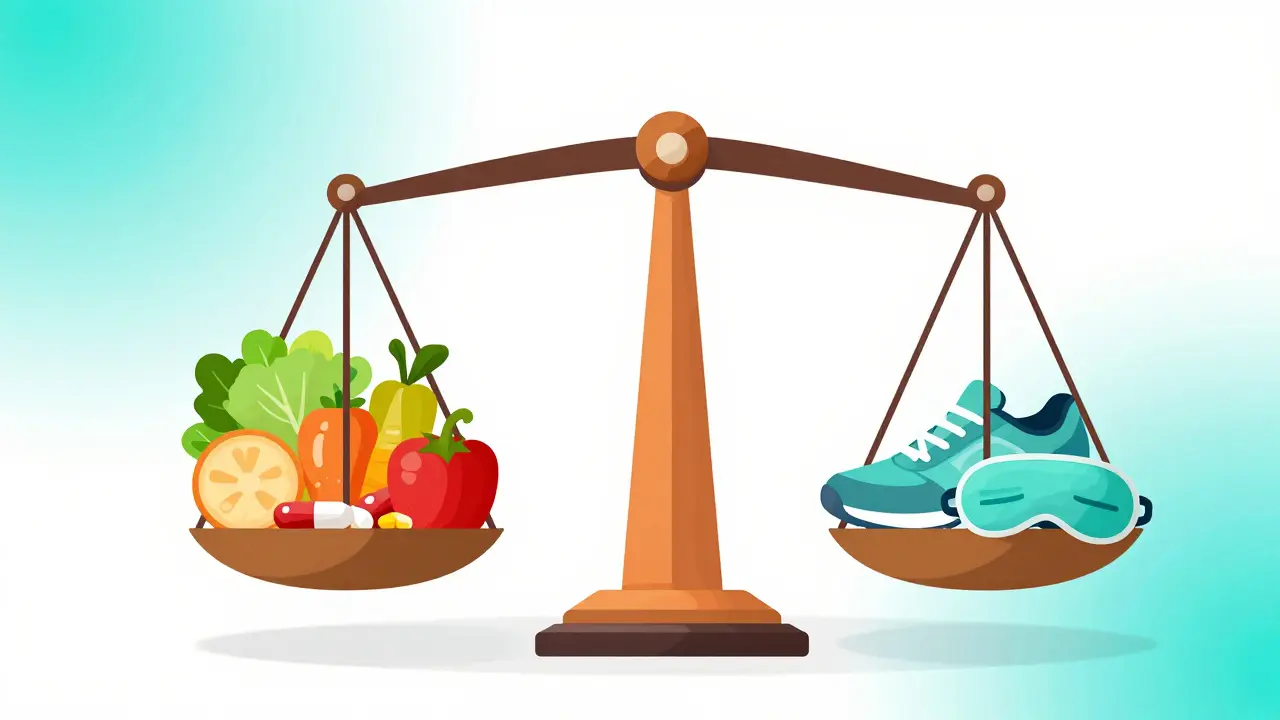
It is a common mistake to view medication and lifestyle changes as an "either-or" choice. You might think, "I'm on a statin now, so I don't need to worry as much about my diet." In reality, medication side effects is a challenge that is best managed when drugs and healthy habits work together. In fact, research shows that nearly half of patients on cholesterol medication actually lower their food quality after starting treatment, which only makes their long-term health worse. The goal isn't to replace your medicine, but to create an environment in your body where the medicine works efficiently with the least amount of friction.
Quick Wins for Managing Common Side Effects
Different medications hit the body in different ways. If you're dealing with specific issues, there are targeted shifts you can make. For instance, if you're taking GLP-1 receptor agonists (like semaglutide) and struggling with constant nausea, the way you eat matters more than what you eat. Try spending at least 20 to 30 minutes on a single meal and keep your portions small-around 500 calories or less. Avoiding heavy, spicy, or acidic foods and making sure your last meal is at least three hours before bed can drop nausea rates significantly.
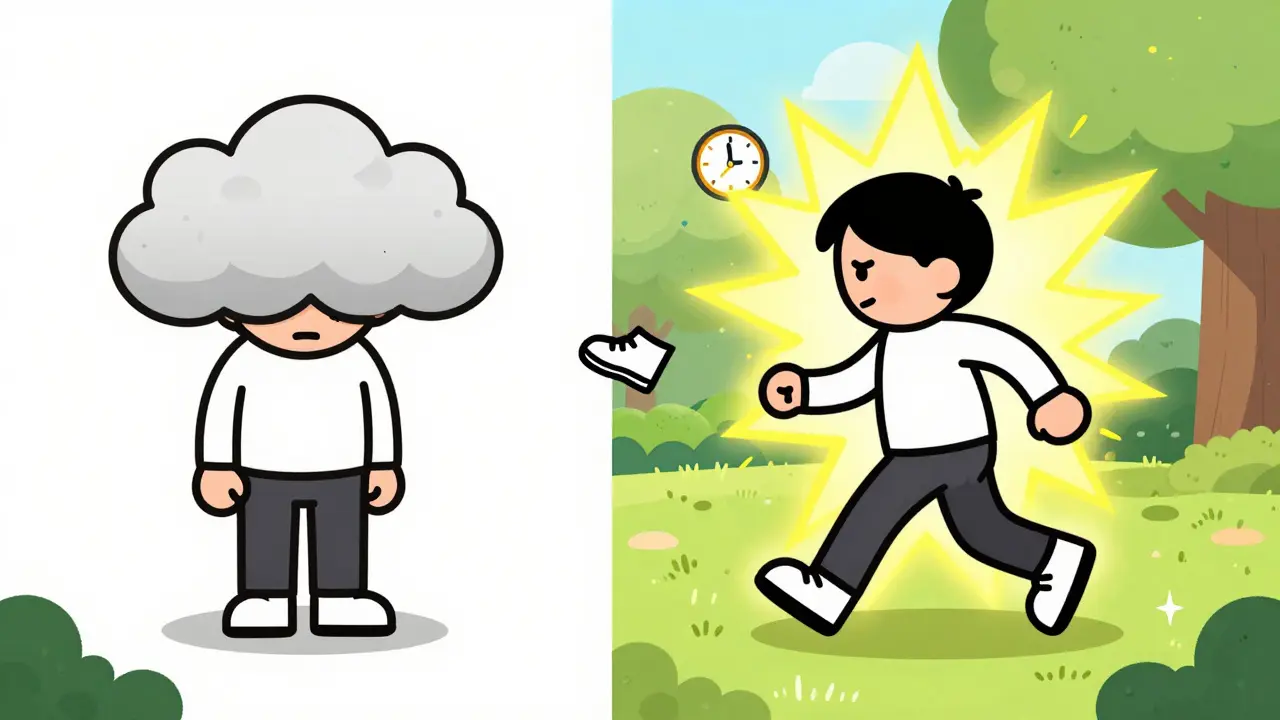
For those dealing with the "brain fog" or heavy fatigue often caused by beta-blockers, the instinct is usually to rest. But doing the opposite-structured, gradual movement-is actually the key. Starting with just 10 minutes of walking twice a day and slowly building up to 30 minutes five days a week has been shown to boost energy levels by over 40% within two months.
If muscle pain from statins is your main struggle, consider adding resistance training (like lifting light weights or using bands) twice a week. Some evidence suggests that pairing this with a Coenzyme Q10 supplement can help bring those muscle aches down from a common occurrence to a rare one.
The Power of Nutrition and Timing
What you eat and when you eat it can change how a drug is absorbed and processed. Take metformin, for example. Many people experience gastrointestinal upset when taking this diabetes medication. By keeping your carbohydrate intake consistent-around 30g per meal-you can reduce those stomach issues by nearly 37%.
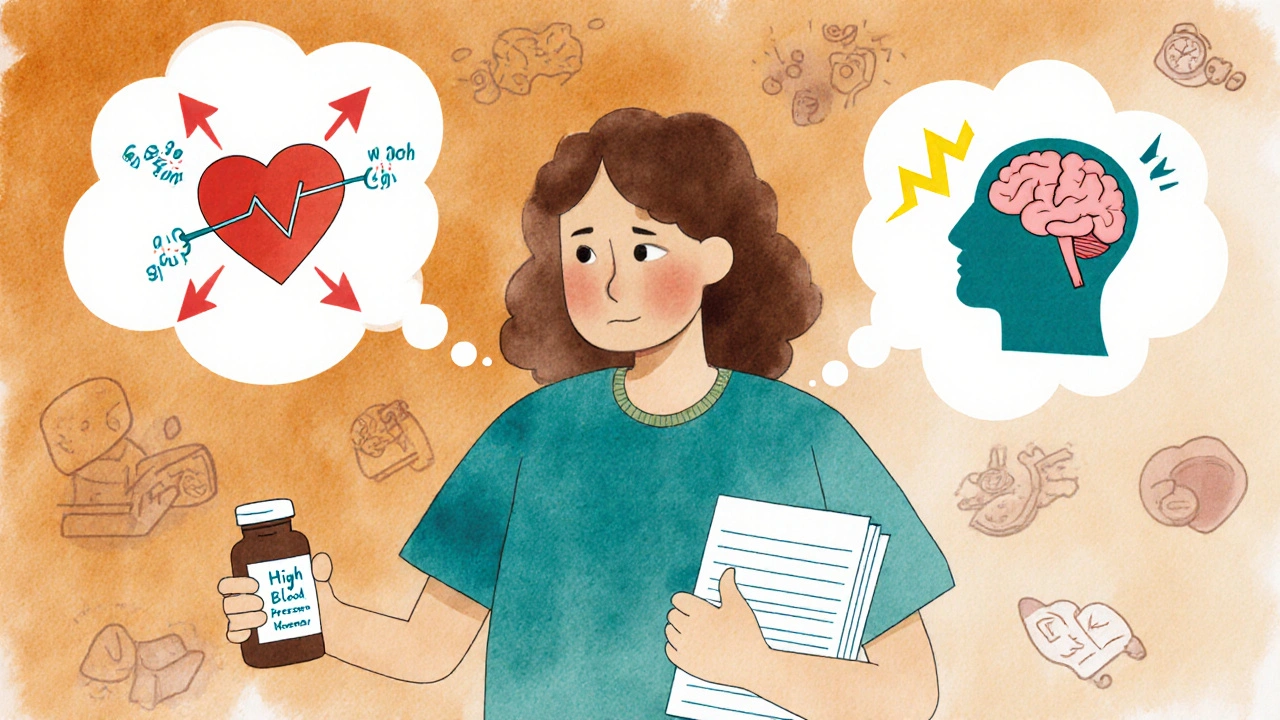
Then there are the "hidden" interactions. You might be eating healthy, but some foods act like a switch for certain meds. Grapefruit juice is a classic example; drinking about 200ml a day can actually increase the concentration of certain statins in your blood by up to 50%, which increases the risk of toxicity. On the flip side, if you're on warfarin, eating too much kale or spinach (high in Vitamin K) can make the drug less effective, potentially reducing its power by 30% to 50%.
| Medication Type | Trigger/Food | Potential Effect | Practical Adjustment |
|---|---|---|---|
| Statins | Grapefruit Juice | Increased drug levels in blood | Avoid or limit grapefruit intake |
| Warfarin | Kale, Spinach (Vit K) | Reduced drug efficacy | Keep intake consistent; don't spike |
| Metformin | High Carb Spikes | GI distress/nausea | Limit to 30g carbs per meal |
| Antihypertensives | High Sodium (>2,300mg) | Reduced BP lowering effect | Aim for 1,500mg sodium daily |
Optimizing Your Biology: Sleep and Stress
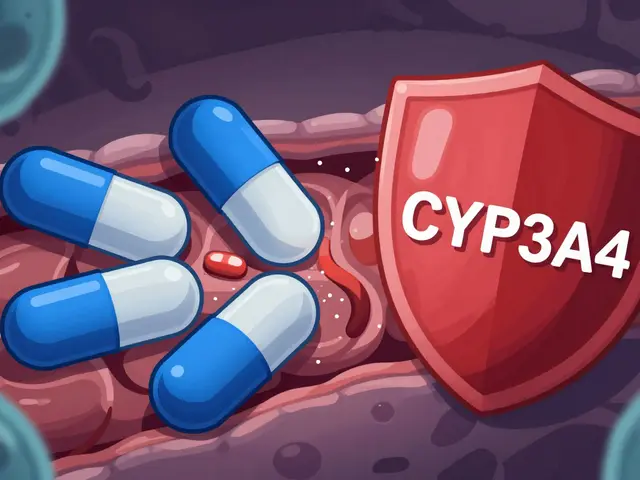
We often overlook the "invisible" factors like sleep and stress, but they are the engine room for medication metabolism. Your liver uses specific enzymes, like the CYP3A4 enzyme, to break down many common drugs. When you consistently get 7 to 9 hours of quality sleep, these enzymes function better, improving how your body processes medications. Poor sleep doesn't just make you tired; it can actually make your meds less effective or more likely to cause side effects.
Stress is another hidden variable. High cortisol levels can interfere with how antidepressants work. By incorporating 30 minutes of mindfulness or stress-reduction techniques daily, you can lower those cortisol levels and potentially see a 31% improvement in how well your antidepressant works. This often means fewer side effects like weight gain, because your body isn't in a constant state of "fight or flight."
Movement as Medicine
Exercise isn't just about weight loss; it's about changing your internal chemistry. For people on blood pressure medication, moderate-intensity aerobic exercise-think a brisk walk at 3 to 4 mph for 30 minutes, five days a week-can lower your systolic blood pressure by 5 to 8 mmHg. While that sounds small, it's often enough to allow your doctor to reduce your dosage by 30% to 40%, which naturally removes the side effects associated with that higher dose.
Weight gain is a common side effect of antipsychotics and some antidepressants. To fight this, focusing on protein-rich meals (about 30g of protein per meal) combined with 45 minutes of moderate-to-vigorous exercise can keep weight gain to a minimum. Without these changes, it's not uncommon to see significant weight increases in the first year of treatment.
Building Your Personal Management Plan
You can't change everything overnight. The most successful approach is a systematic one. If you want to reduce your side effects, start by tracking these six areas for two weeks:
- Activity: How many minutes are you actually moving?
- Diet: Are you hitting high-sodium or high-sugar peaks?
- Sleep: Are you getting at least 7 hours of restful sleep?
- Stress: On a scale of 1-10, how overwhelmed do you feel daily?
- Alcohol: How many standard drinks are you having per week?
- Interactions: Are you consuming foods that clash with your specific meds?
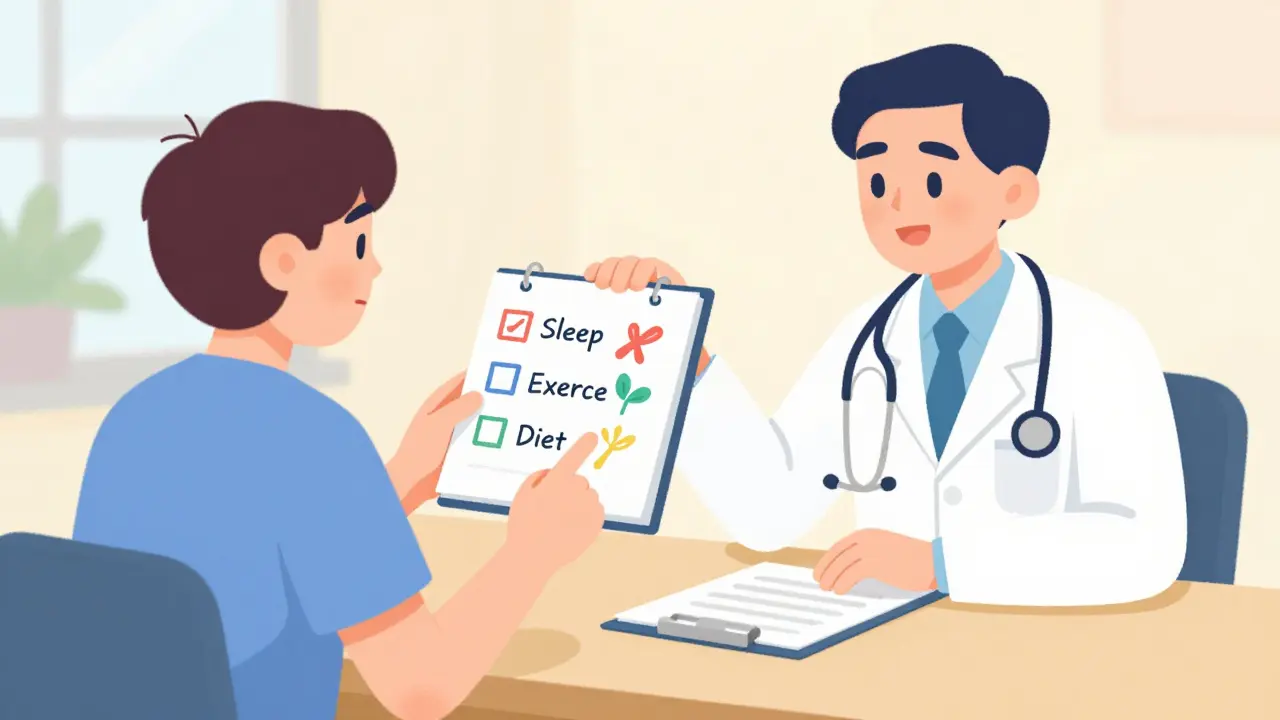
Once you have this data, bring it to your next doctor's appointment. Instead of saying "I feel tired," you can say, "I've been walking 30 minutes a day and sleeping 8 hours, but I'm still exhausted; could we look at my dosage?" This gives your healthcare provider the concrete evidence they need to make safe adjustments.
A critical warning: never lower your own dose or stop a medication because you feel better after making lifestyle changes. Doing so can lead to dangerous "rebound" effects, such as a sudden spike in blood pressure (rebound hypertension) or a dangerous jump in blood sugar (hyperglycemia). Always let your doctor lead the titration process.
Can I stop my medication if my lifestyle changes are working?
You should never stop medication on your own. While lifestyle changes can make medications more effective or allow for lower doses, stopping abruptly can cause rebound effects. Always consult your physician to taper off a drug safely.
How long does it take for lifestyle changes to reduce side effects?
Most clinical programs, such as those used at major medical centers, suggest a window of 8 to 12 weeks to see a meaningful impact on how your body responds to medication.
Does exercise always help with medication fatigue?
For many, yes, especially with beta-blockers. However, the key is to start slow. Jumping into intense workouts can be overwhelming; start with 10-minute walks and gradually increase the duration.
Why does grapefruit juice interact with statins?
Grapefruit juice inhibits the CYP3A4 enzyme in your gut and liver. This enzyme is responsible for breaking down statins. When the enzyme is blocked, more of the drug enters your bloodstream, which can increase the risk of muscle pain and liver toxicity.
What is the best diet to reduce blood pressure medication side effects?
The DASH (Dietary Approaches to Stop Hypertension) diet is highly effective. By limiting sodium to 1,500 mg per day and eating more fruits, vegetables, and lean proteins, you can naturally lower blood pressure, potentially reducing the need for high-dose medications.

14 Comments
The point about the CYP3A4 enzyme is really crucial here. Many people don't realize that our liver's metabolic capacity varies wildly between individuals, which is why some of us experience severe side effects while others feel nothing at all. It is always a good idea to keep a detailed medication log, including the exact time of day you take your dose, as this can help your doctor identify patterns. For those on GLP-1s, I'd also suggest focusing on lean proteins first to maintain muscle mass while the nausea is being managed. Consistency is the most important factor when it comes to lifestyle interventions.
imagining that a walk is gonna fix a chemical imbalance in the brain is just peak modern delusion. we are just bags of salt and water reacting to pills anyway so why preten that "mindfullness" changes the biology of a drug. its all just a cycle of control and we are the ones being controlled by the pharma industry and the wellness gurus who tell us to walk more lol
Wake up people!! They want you to "manage" the side effects so you keep taking the poison! The pills are designed to make you dependent and these "lifestyle changes" are just distractions to keep you from realizing the system is rigged against your health!!
It is truly fascinating how some people believe that a simple walk can offset pharmaceutical fatigue... perhaps if one actually disciplined their life, they wouldn't need such drastic measures in the first place!!!
I can totally relate to that brain fog. It's such a struggle to get moving when you feel like you're walking through mud, but the idea of starting with just 10 minutes feels doable. Thanks for sharing this.
my doctor is a joke and these pills are garbage we need to stop trusting these foreign based studies and get back to real american grit just eat steak and lift weights you wont need this nonsense
I love how this reminds us that we are all connected to our bodies in such a beautiful way! 🌸 Just listening to what your stomach is telling you can be such a spiritual journey, too! ✨
The data on cortisol and antidepressant efficacy is genuinely intriguing. I wonder if there are specific types of mindfulness, like transcendental meditation versus focused breathwork, that provide more significant results for different drug classes? It would be amazing to see a breakdown of that.
consistent carb intake for metformin is a game changer. tried it and nausea vanished
It's so important to remember that everyone's journey with health is different and there is no one-size-fits-all solution, but the idea of partnering with a doctor using actual data from our daily lives is such a gentle and empowering way to approach healing. I've always felt that when we stop fighting our bodies and start listening to them, the process becomes much less scary, and providing a list of habits to a physician really helps them see us as whole people rather than just a set of symptoms to be managed. It's all about creating a supportive environment for yourself, whether that's through a short walk, a change in diet, or just getting a bit more sleep each night to let your liver do its work. Let's all just be patient with ourselves while we figure this out together.
This is really helpful. I was feeling down about my meds but now I feel like I can actually do something about it. Keep it up!
the balance between chemical intervention and natural living is a delicate line that few of us truly master
I believe that incorporating these holistic practices alongside medical treatment is a most prudent approach to long-term wellness.
You've got this! Just taking that first small step like a 10-minute walk can lead to such big changes. Be kind to yourselves everyone!