
Medication Reaction Triage Tool
Disclaimer: This tool is for educational purposes only and is not a substitute for professional medical advice. If you are experiencing a life-threatening emergency, call 911 or your local emergency services immediately.
Select all symptoms you are currently experiencing:
Difficulty Breathing / Throat Tightening
Face or Tongue Swelling
Chest Pain or Heart Rate > 120bpm
Confusion / Inability to Wake Up
Yellowing of Skin or Eyes (Jaundice)
Decreased Urine Output / Leg Swelling
Hives, Peeling, or Blistering Skin
Blood in Stool / Persistent Vomiting
Mild Nausea or Dry Mouth
Mild Itch or Dry Skin
Urgency Assessment
Please select your symptoms to see the recommended action.
Taking a new prescription usually comes with a long list of possible side effects. Most of the time, these are just annoyances-a dry mouth here, a bit of drowsiness there. But there is a massive difference between a "nuisance" side effect and a medical emergency. While common reactions affect about 35% of people, life-threatening events are rare, but they are devastating if you don't catch them in time. The key is knowing which symptoms mean "call the doctor tomorrow" and which mean "call 911 right now."
Quick Guide to Critical Warning Signs
- Immediate Danger: Difficulty breathing, swelling of the face or tongue, and a rapid drop in blood pressure.
- Organ Alert: Yellowing of the skin (jaundice), decreased urine output, or severe abdominal swelling.
- Cardiac Red Flags: Chest pain or a heart rate consistently over 100 beats per minute.
- Neurological Warnings: Seizures, sudden confusion, or extreme drowsiness where you can't stay awake.
The Red Alert: Immediate Life-Threatening Reactions
The most urgent danger is Anaphylaxis is a severe, potentially fatal allergic reaction that can send your system into shock within minutes. If you've just taken a medication and suddenly feel your throat tightening or notice hives breaking out across your body, you aren't dealing with a mild allergy. You are in a critical window.
Watch for a "weak, fast pulse" (usually over 120 beats per minute) and a significant drop in blood pressure. When your systolic pressure dips below 90 mmHg, your organs aren't getting enough oxygen. Dr. Lisa Thompson from the Mayo Clinic emphasizes that any combination of breathing struggle and skin changes should be treated as a full-blown emergency until proven otherwise. In these cases, every second counts, and epinephrine is often the only way to stop the reaction.
Silent Killers: Organ Damage and Systemic Failure
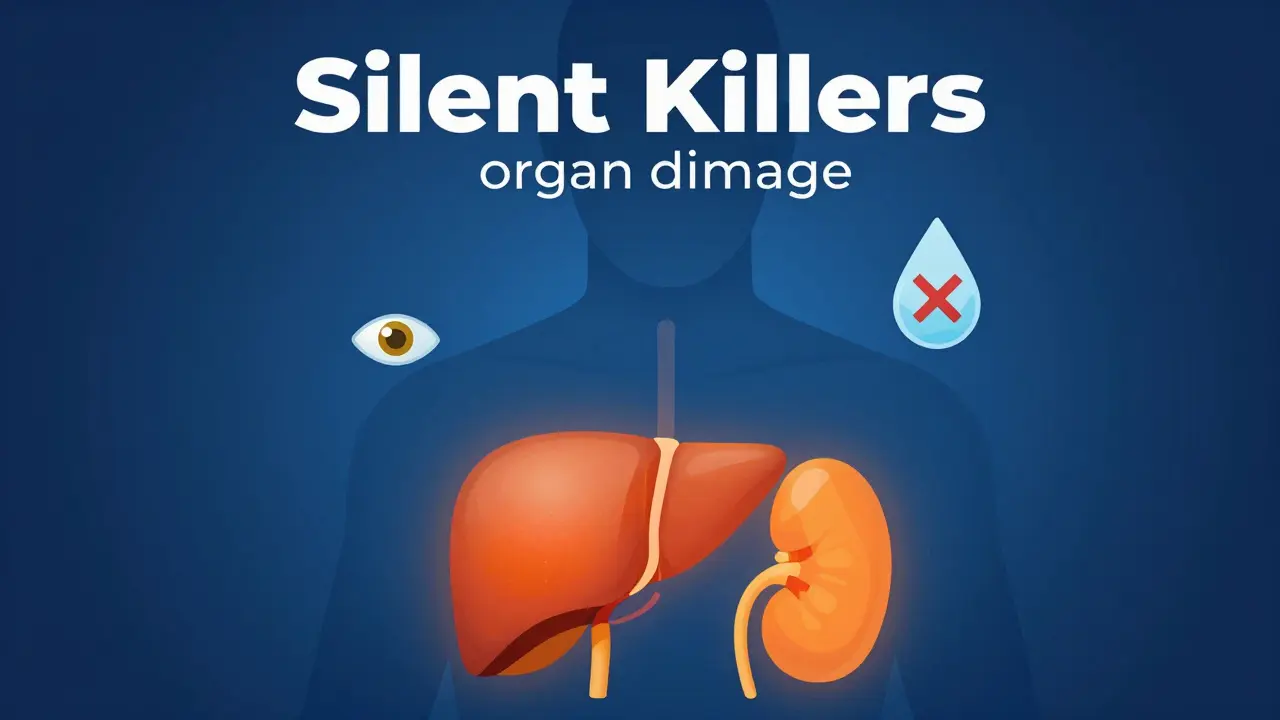
Not every dangerous side effect hits like a lightning bolt. Some are slower, mimicking a flu or a stomach bug, but they indicate that your internal organs are struggling to process the drug. Your Liver and the primary organ responsible for metabolizing most medications are particularly vulnerable. If you notice your skin or the whites of your eyes turning yellow-a condition called jaundice-combined with sharp stomach pain, your liver or gallbladder may be failing.
Similarly, keep an eye on your kidneys. A sudden drop in how much you urinate, paired with extreme fatigue and swelling in your legs or abdomen, can be a sign of drug-induced kidney failure. These symptoms are often ignored because they feel "vague," but as FDA Commissioner Dr. Robert Califf has noted, organ failure accounts for nearly 18% of all medication-related deaths because people don't realize the damage is happening until it's irreversible.
| Symptom Type | Manageable (Call Doctor) | Dangerous (Emergency Room) | Risk Level |
|---|---|---|---|
| Skin | Mild itch or dry skin | Hives, peeling, or blistering | High |
| Digestion | Mild nausea or dry mouth | Blood in stool, persistent vomiting | Critical |
| Heart/Lung | Slightly shortness of breath | Chest pain, heart rate >120 bpm | Critical |
| Mental State | Mild sleepiness | Confusion, inability to wake up | High |
Cardiovascular and Gastrointestinal Red Flags
Heart-related reactions are often underestimated. If you are taking cardiovascular drugs and experience an irregular heartbeat-specifically Tachycardia is a heart rate that exceeds 100 beats per minute at rest-this is a major warning sign. Chest pain is never "just heartburn" when you've started a new medication; it could be a sign of cardiac distress that can lead to arrest within minutes.
On the digestive side, some modern medications (like those used for weight loss or diabetes) can cause severe pancreatitis. If you have intense abdominal pain that radiates to your back and is accompanied by vomiting, don't wait. Severe gastrointestinal complications can have a mortality rate as high as 30% if they go untreated. Also, look for unusual bruising or bleeding from the gums; this often indicates an internal hemorrhage or a dangerous drop in platelet count.
Recognizing Rare Systemic Syndromes
There are a few "medical textbook" reactions that are rare but deadly. One is DRESS Syndrome is Drug Rash with Eosinophilia and Systemic Symptoms, characterized by a widespread rash, fever, and organ inflammation. If you have a rash accompanied by swollen lymph nodes and a high white blood cell count, you aren't just having a skin reaction; your whole immune system is overreacting.
Then there is serum sickness, which feels like a strange mix of fever, joint pain, and nausea. While it might seem like a virus, if it happens shortly after starting a new drug, it's a sign your body is rejecting the medication. Another one to watch for is drug-induced anemia, which shows up as shortness of breath and extreme fatigue. These aren't instant killers like anaphylaxis, but they erode your health quickly if the medication isn't adjusted.
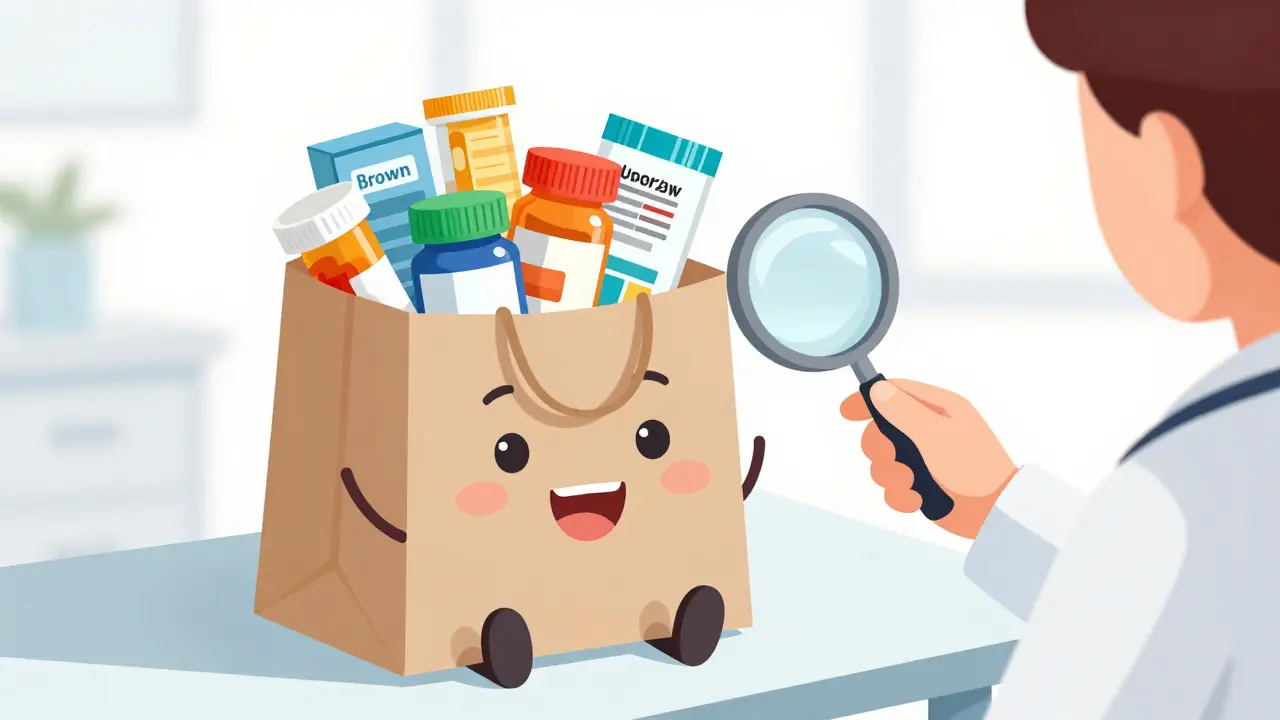
Practical Steps for Medication Safety
How do you actually manage this without living in fear? First, use the "Brown Bag Method." Once a month, put every single thing you take-prescriptions, over-the-counter painkillers, and those "natural" supplements-into a bag and take them to your provider. Many dangerous medication side effects happen because of interactions between two drugs that are fine on their own but toxic together.
For caregivers, monitoring is about baselines. If a patient suddenly starts falling more often or seems confused, don't just assume it's "old age." Check if a new medication was introduced or if a dose was changed. In older adults, the risk of a bad reaction is nearly three times higher because the body doesn't clear drugs as efficiently as it used to.
One golden rule: Never stop a prescribed medication abruptly. If you suspect a side effect is dangerous, call your doctor immediately, but don't just quit. Stopping drugs like beta-blockers or certain antidepressants cold turkey can cause withdrawal symptoms that are just as life-threatening as the side effects you're trying to avoid.
How soon do dangerous side effects usually appear?
Severe allergic reactions like anaphylaxis typically happen within an hour of taking the medicine. However, other dangerous reactions, like rashes or organ inflammation, can take hours, days, or even weeks to manifest. If a symptom appears rapidly within 1-2 hours, it is generally considered a higher emergency.
What is the difference between a side effect and an adverse reaction?
While often used interchangeably, a side effect is generally a predictable, usually mild effect (like dry mouth). An adverse drug reaction is typically an unintended, harmful response that can range from moderate to life-threatening, such as liver failure or a severe allergic shock.
Can supplements cause these dangerous reactions?
Yes. Supplements can either cause direct toxic reactions or, more commonly, interact with prescription drugs to increase their potency or block their effectiveness. This is why the "Brown Bag Method" includes over-the-counter products.
When should I go to the ER versus calling my doctor?
Go to the ER or call 911 for: difficulty breathing, swelling of the face/throat, chest pain, or loss of consciousness. Call your doctor within 24 hours for: unusual bleeding, persistent severe nausea, or a new, spreading rash that isn't causing breathing issues.
Why are older adults more prone to dangerous side effects?
As people age, their kidneys and liver function often decline, meaning drugs stay in the system longer and reach higher concentrations. Additionally, many seniors practice "polypharmacy" (taking 5+ medications), which exponentially increases the risk of dangerous interactions.
Next Steps and Troubleshooting
If you are starting a new medication today, create a "reaction log." Note how you feel for the first 72 hours. If you feel a change, write down exactly when it happened and what the symptom was. This data is gold for your doctor.
If you have a history of severe allergies, ask your doctor about pharmacogenomics testing. This is a newer way to check your genetic makeup to see if you are predisposed to a dangerous reaction before you ever take the first pill. For those taking high-risk medications, look into wearable tech that monitors heart rhythms, as it can catch medication-induced arrhythmias long before you feel them.