
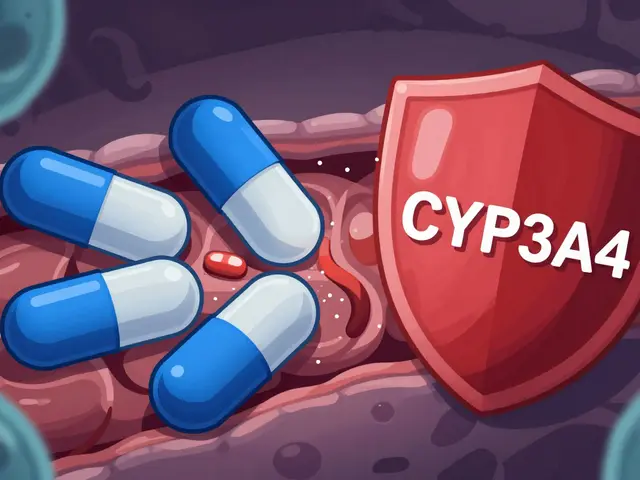
When you fill a prescription, do you ever stop to wonder why you got one pill instead of another-even if both say the same thing on the label? You might think it’s just about price. But here’s the twist: sometimes, the generic you get isn’t made by a different company at all. It’s made by the same brand that made the original drug. These are called authorized generics.
What Exactly Is an Authorized Generic?
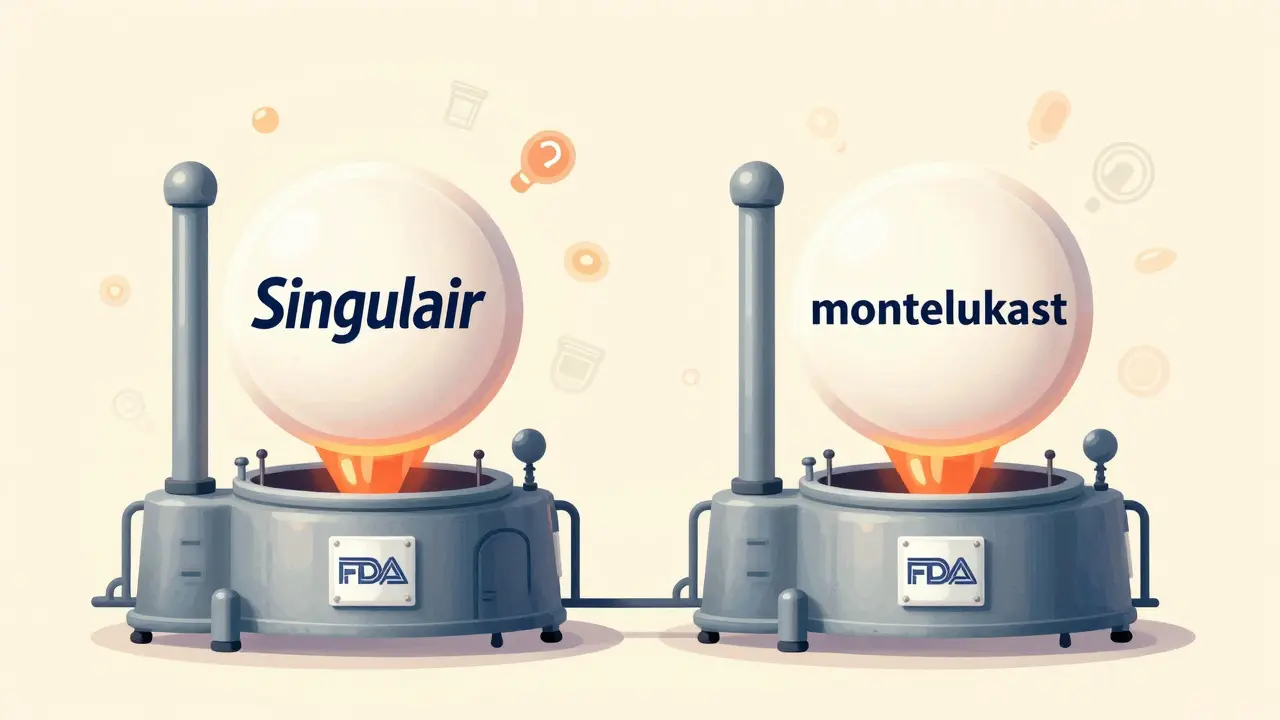
An authorized generic is a copy of a brand-name drug, but it’s sold without the brand name on the box. It’s made by the original drug company, using the same factory, same ingredients, same pills-down to the color and shape. The only difference? No fancy logo. No marketing. Just a plain label.
This isn’t the same as a regular generic. Regular generics have to prove they work the same way through a long FDA process called ANDA. Authorized generics skip that because they’re made under the brand’s original approval (NDA). That means they’re not just similar-they’re identical. The FDA’s Orange Book confirms this. So if your doctor prescribed Lipitor, and you get a white oval pill with no name on it, it could be the exact same pill Pfizer made, just sold under a different label.
Why Do Patients Prefer Authorized Generics?
Most people don’t pick their generics. Insurance companies and pharmacy benefit managers decide what gets dispensed. But when patients do have a choice-like when they pay cash or have a plan that lets them choose-they often go for the authorized generic over the regular one.
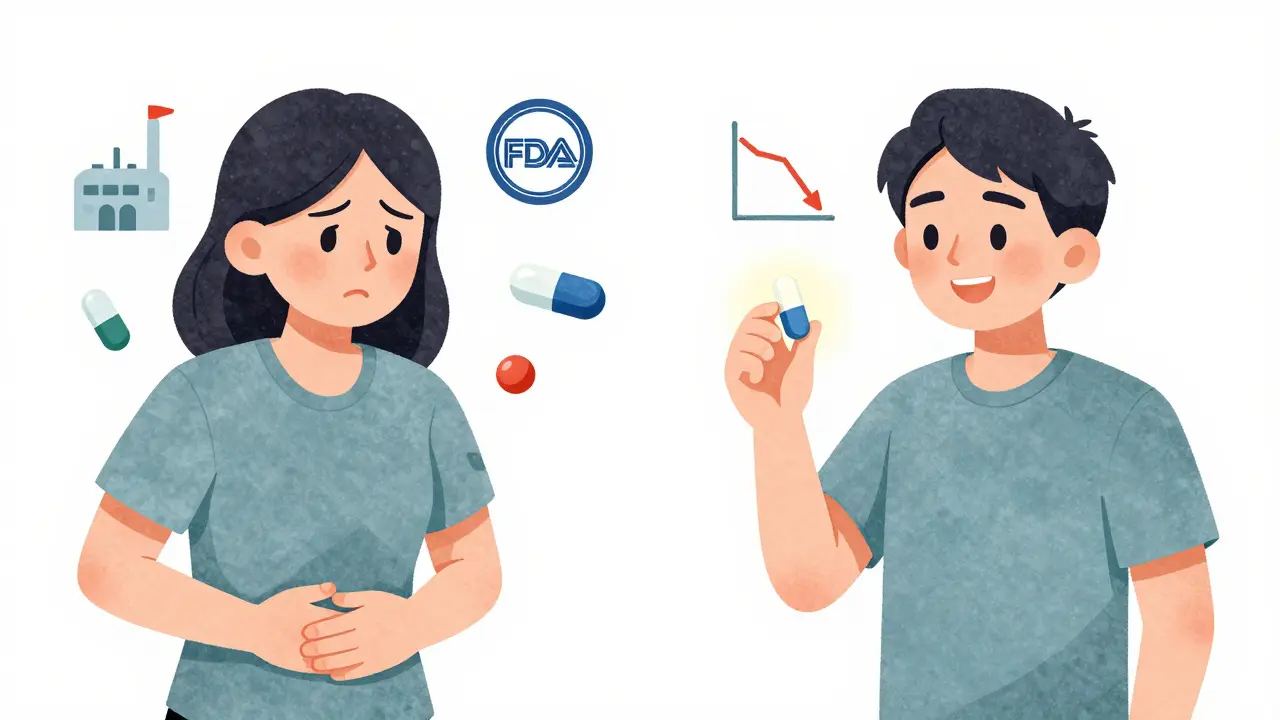
A 2018 study of over 210,000 patients found something surprising: when people switched from a brand-name drug to an authorized generic, only 22.3% went back to the brand. But when they switched to a regular generic, 28.7% switched back. That’s a big difference. Why? Because patients notice things. The shape. The taste. The way it dissolves. Regular generics sometimes use different fillers or coatings. That can cause side effects-or just make people feel like it’s not working as well.
Consumer Reports did a blind test with 1,200 people. They gave them unlabeled pills-brand, authorized generic, regular generic. Seventy-eight percent couldn’t tell the difference between the brand and the authorized generic. Only 52% could tell the difference between the brand and the regular generic. That’s not magic. It’s chemistry. Same formula. Same factory. Same everything.
Price Matters-But Not Always
Let’s be real: price is the biggest driver of generic use. Authorized generics are cheaper than brand-name drugs, sure. But they’re usually 15-25% more expensive than regular generics after the first 6 months. So why would anyone pay more?
Because trust matters. If you’ve been on the same pill for years, and suddenly you get a different-looking one that gives you a headache or makes you feel off, you’re going to ask for the old one. That’s not irrational. It’s human. And authorized generics remove that fear. You get the same drug you’ve always taken, just at a lower price. No guesswork.
One Reddit user wrote: “I switched to an authorized generic for my blood pressure med. Didn’t feel a thing different. My doctor didn’t even know I switched.” Another said: “My regular generic made me nauseous. Authorized generic? Zero issues.”
That’s not anecdotal noise. It’s data-backed behavior. When patients have control, they pick the version that feels most like the original.
Why Do Drug Companies Use Authorized Generics?
It’s not just about helping patients. It’s business.
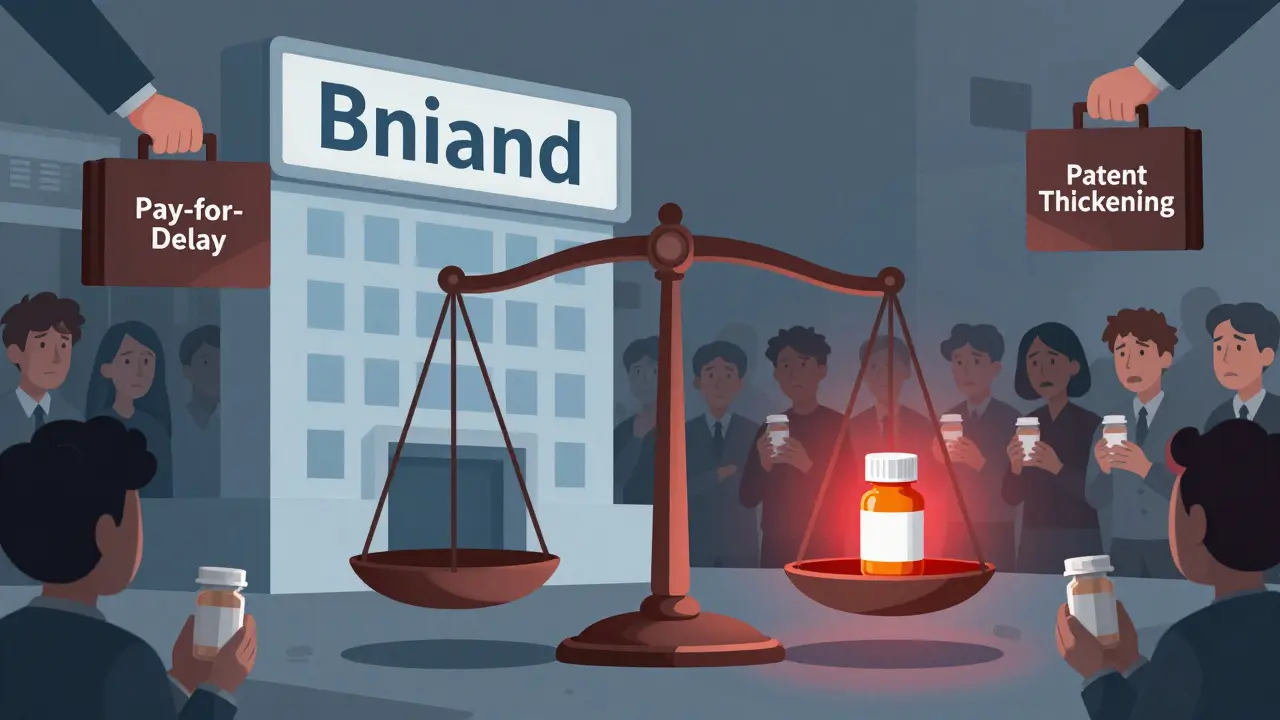
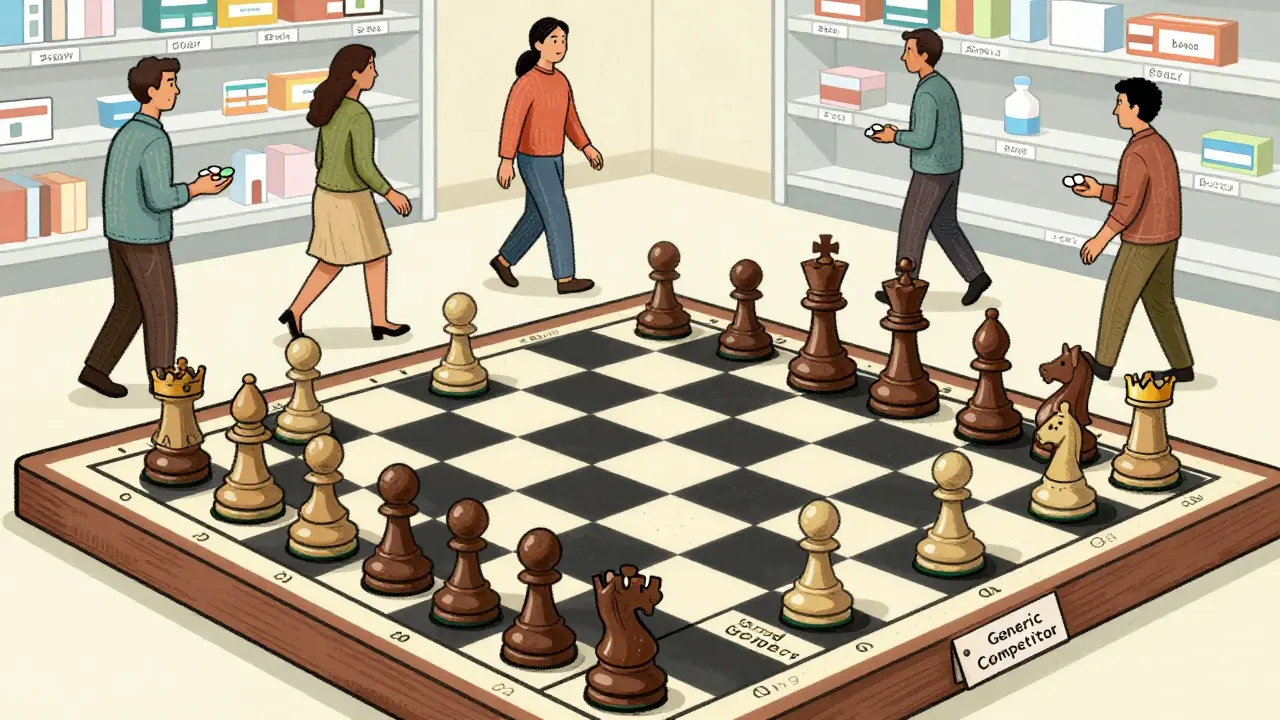
When a brand-name drug’s patent expires, the first generic company gets 180 days of exclusive rights to sell. But here’s the trick: the brand company can launch its own authorized generic during that time. Suddenly, there are two generics on the shelf-one from a competitor, one from the brand. The competitor’s sales drop by 30% on average. That’s not coincidence. It’s strategy.
The Federal Trade Commission called this “a powerful inducement for generic companies to delay entering the market.” In other words, if a generic maker knows the brand will flood the market with its own cheap version, they might decide it’s not worth the fight. That’s why the FTC has flagged over 20 such deals since 2021.
But here’s the flip side: when authorized generics enter, prices drop faster. A 2022 study on the drug entacapone showed prices fell 13-18% in cash-pay markets when the authorized generic arrived. That’s money saved for patients right away.
What Do Pharmacists See?
Pharmacists are on the front lines. They see the confusion.
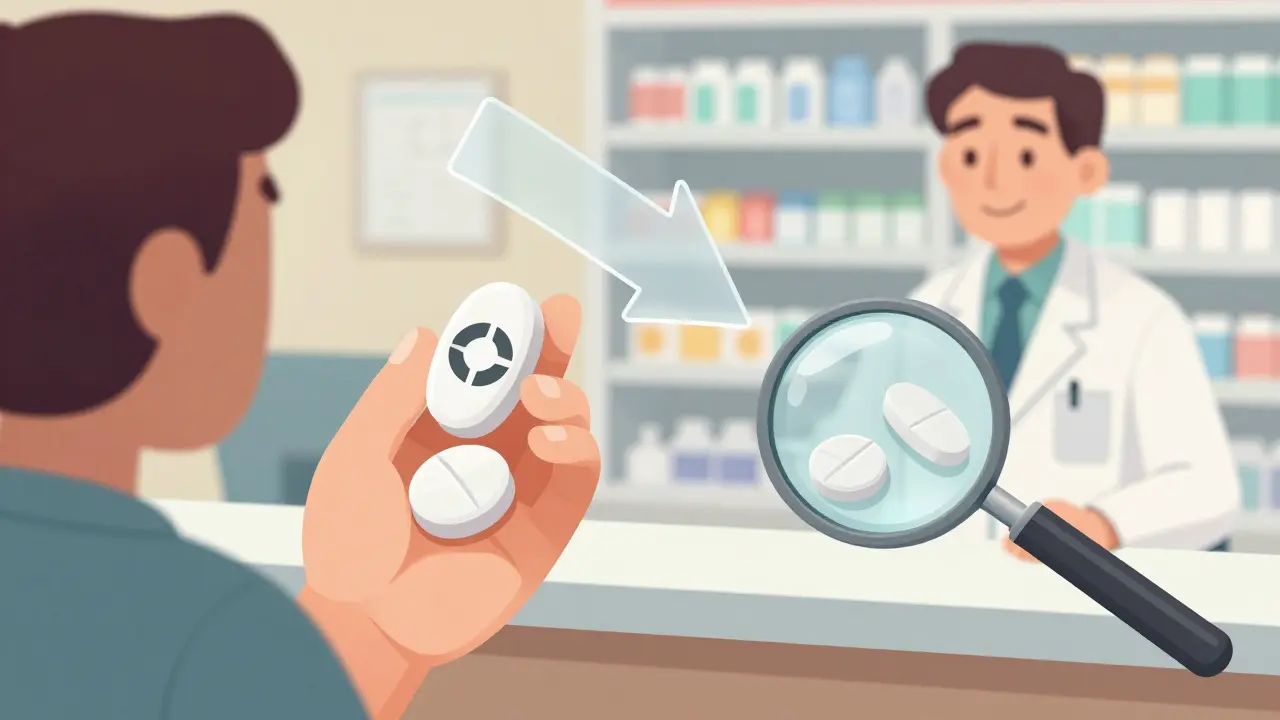
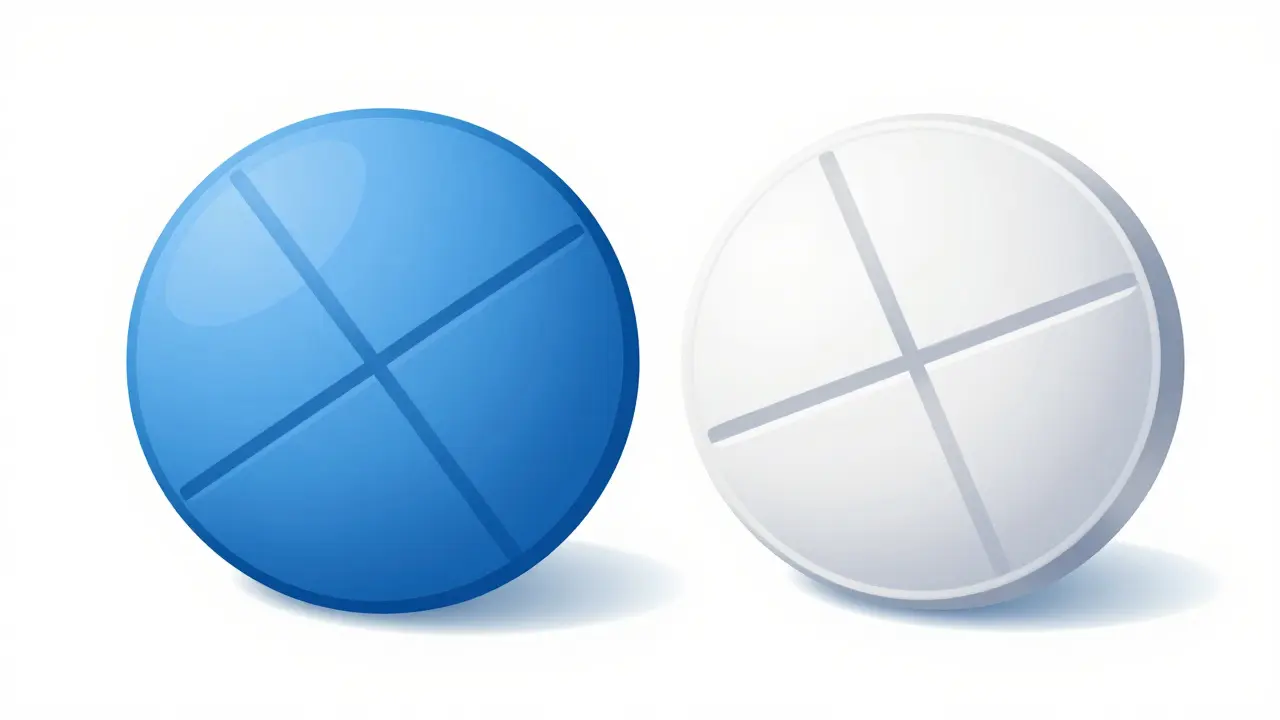
“Patients come in and say, ‘I used to get the blue pill, now I’m getting a white one. Is this right?’” says a pharmacist in Ohio. “I have to explain that it’s the same drug-just made by the same company, just without the brand name.”
The problem? Authorized generics don’t show up clearly in most pharmacy systems. They’re listed in the FDA’s Orange Book under “Products with No Applicant.” That’s not user-friendly. Most systems just say “generic.” So pharmacists have to dig deeper. That’s why many don’t even know they’re dispensing one.
And when patients ask, “Is this the same?”-the answer is yes. But not every pharmacist knows how to say it clearly.
Who Gets the Authorized Generic?
Not everyone. Most people don’t get a choice. In 82% of commercial insurance plans, the pharmacy automatically substitutes a generic-no questions asked. Even if you want the brand, you need prior authorization. That’s a form. A call. A delay.
So who ends up with the authorized generic? Usually, people who pay cash. Or those on Medicaid/Medicare where formularies list them as preferred. Or patients who’ve had bad experiences with regular generics and ask for the “same one I used before.”
And it’s growing. In 2015, authorized generics made up 8% of all generic prescriptions. By 2023, it was 12%. By 2028, experts predict it’ll hit 15-18%. That’s not because patients are demanding them. It’s because drug companies are using them to stay ahead.
Are Authorized Generics Good or Bad for Patients?
It’s complicated.
On one hand, they bring down prices fast. They reduce confusion. They keep people on their meds because they feel the same. That’s a win.
On the other hand, they can block competition. If a brand company can just launch its own generic and crush a new entrant, why would anyone else bother trying? That’s why the Association for Accessible Medicines calls them a “loophole.”
And here’s the real issue: patients don’t know they’re being steered. They think they’re choosing a cheaper option. They don’t realize the brand company is the one offering it.
So are they good? Yes-for immediate savings and stability. Are they perfect? No. They’re a tool. Used well, they help. Used to block competition, they hurt.
What Should You Do?
If you’re on a brand-name drug and your prescription switches to a generic, ask:
- Is this an authorized generic?
- Who made it?
- Can I get the brand or the regular generic instead?
If you’re paying cash, check the price difference. Sometimes the authorized generic is only a few dollars more than the regular one-and worth it for peace of mind.
If you’ve had side effects with a regular generic, tell your pharmacist. They can often switch you to the authorized version-even if your insurance doesn’t list it first.
You don’t need to be a scientist to know what works for your body. If the pill you’ve been taking for years feels different, it’s not in your head. It’s in the fillers. And you have a right to ask for the one that feels right.
Authorized generics aren’t magic. But they’re the closest thing to keeping your old pill at a new price. And for many, that’s enough.
9 Comments
i switched to an authorized generic for my zoloft last year and honestly? i didn't notice a thing. my anxiety didn't spike, i didn't get headaches, and my pharmacist didn't even tell me it was different until i asked. why do they make it so confusing??
if you're paying cash, always check the authorized generic price. sometimes it's only $2 more than the regular one but you won't feel like you're taking a different drug. my uncle had nausea with regular generic metformin-switched to the authorized one and he's been fine for 2 years. no drama.
authorized generics are a regulatory artifact of the Hatch-Waxman Act's 180-day exclusivity window. they're manufactured under the original NDA, bypassing ANDA requirements, which legally permits them to be bioequivalent without additional clinical testing. this creates a market distortion where the originator can suppress generic competition by deploying a parallel product under its own brand infrastructure. the FTC has documented this as anti-competitive behavior in at least 22 cases since 2021.
this is one of those hidden truths in healthcare that nobody talks about. you're not just buying a pill-you're buying consistency. if your body's used to a certain texture, coating, or even the smell of the pill, switching to a different generic can feel like betrayal. authorized generics? they're like your old couch but repainted. still comfortable. still yours.
so the big pharma boys are playing chess while we're stuck playing checkers? they make the brand, then make the cheap version themselves to kill off the real generics? that's not capitalism, that's a rigged game. why don't we just nationalize drug manufacturing? i'm sick of this scam.
let me break this down for you: patients don't choose authorized generics because they're smarter-they choose them because they're traumatized by bad experiences with regular generics. the real problem isn't the drug, it's the fact that we treat medicine like a commodity when it's a biological interface. your body doesn't care about FDA classifications-it cares about what it feels. and when it feels wrong, you panic. this whole system is a psychological minefield dressed in bureaucratic language.
if you're on a chronic med and your generic changes, always ask for the manufacturer code. authorized generics often have the same NDC as the brand, just under a different label. pharmacists can pull that from the Orange Book if you give them the code. don't just accept the first thing they hand you. your health isn't a guess.
i'm from rural Alabama and my grandma didn't know what an authorized generic was-but she knew that the white oval pill she'd been taking for 10 years suddenly turned blue and made her dizzy. she called the pharmacy every day for a week until they gave her back the white one. turns out it was the authorized generic. she didn't care about the science. she cared about feeling okay. that's all that matters.
Your comment about the FTC's findings is accurate, but you're missing the broader systemic issue: the FDA's lack of transparency in labeling. Authorized generics are not flagged in pharmacy dispensing systems, which means pharmacists are often unaware they're dispensing them. This creates a dangerous information asymmetry. Patients assume they're getting a standard generic, when in fact they're getting the exact same product as the brand. This isn't just a market issue-it's an informed consent issue. The FDA should mandate a clear identifier on packaging: 'Authorized Generic: Manufactured by [Brand Name]'. Until then, this remains a loophole disguised as consumer choice.