Market Exclusivity Extensions: How Pharma Protects Drugs Beyond Patents
Explore how pharmaceutical companies use regulatory exclusivity and patent stacking to maintain monopolies beyond standard patent terms, delaying generic competition.

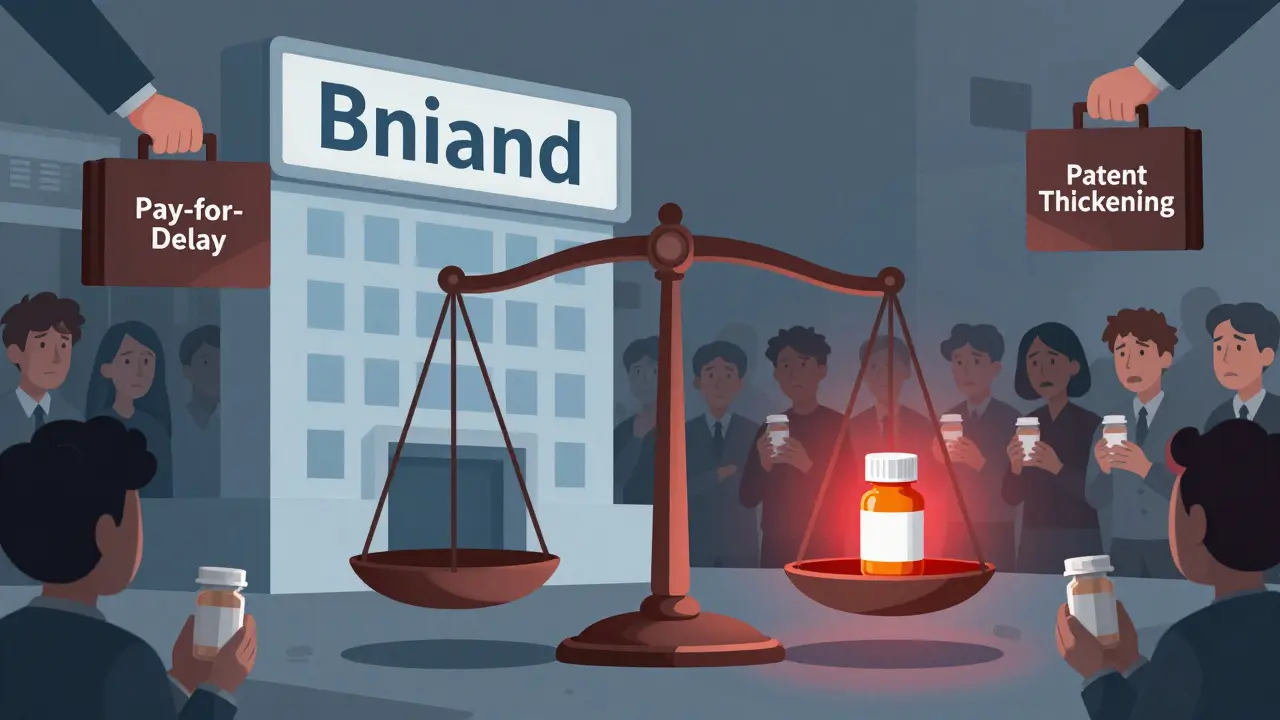
Antitrust laws in the generic drug market aim to prevent pay-for-delay deals, patent abuse, and product hopping that block cheaper alternatives. These practices cost consumers billions and limit access to essential medications.
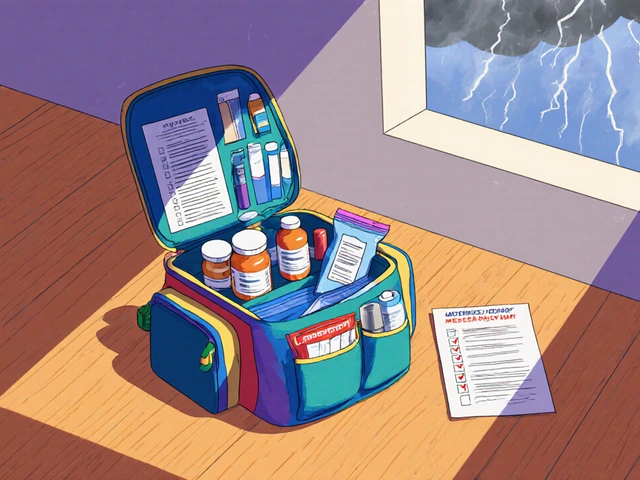
A well-prepared medication go-bag can save your life during an emergency. Learn what to pack, how to store it, and why a 7-day supply isn't enough for true safety.
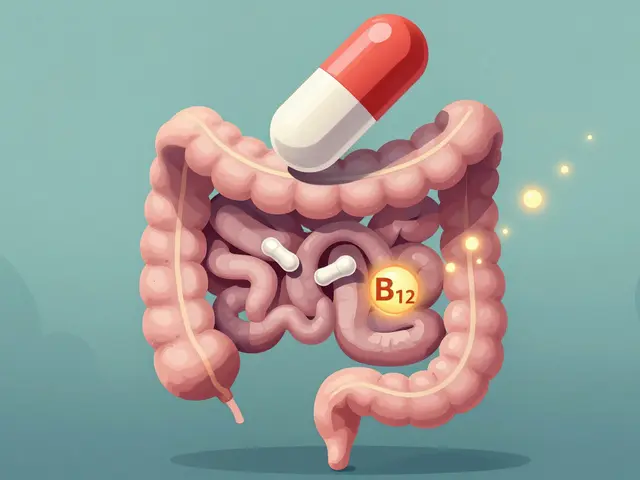
Long-term metformin use can cause vitamin B12 deficiency, leading to fatigue, nerve damage, and misdiagnosed diabetic complications. Learn who’s at risk, what symptoms to watch for, and how to prevent irreversible harm.
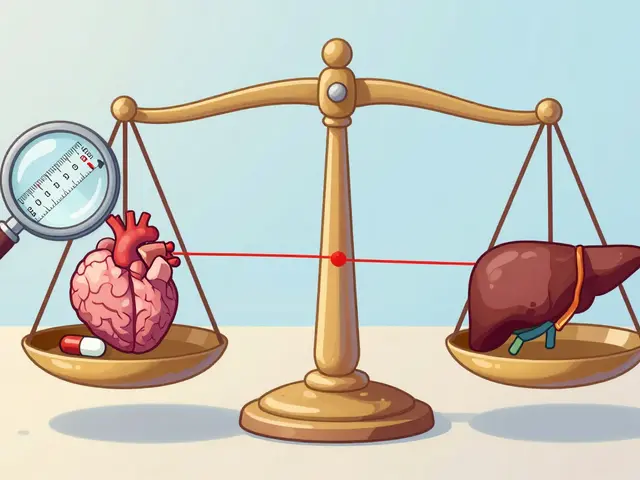
The FDA enforces stricter bioequivalence standards for NTI drugs to ensure safety, requiring tighter limits (90-111%) and replicate studies. These rules apply to critical medications like warfarin, phenytoin, and tacrolimus, where small dosage differences can cause serious harm.
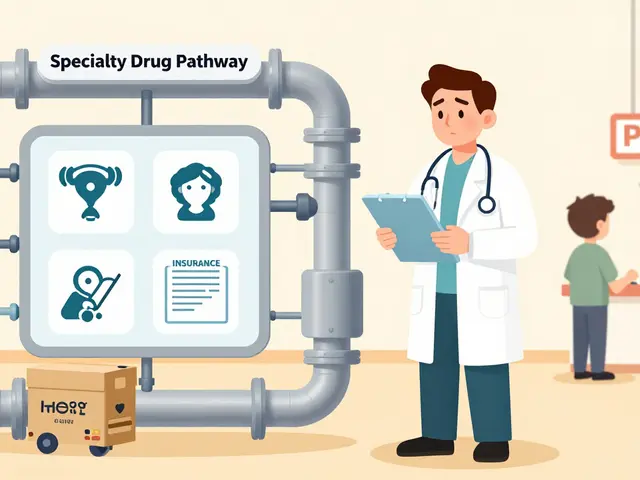
Specialty pharmacies handle generic specialty drugs with the same level of care as branded versions-because complexity, not cost, determines the need for expert dispensing. Providers play a key role in guiding patients through this system.
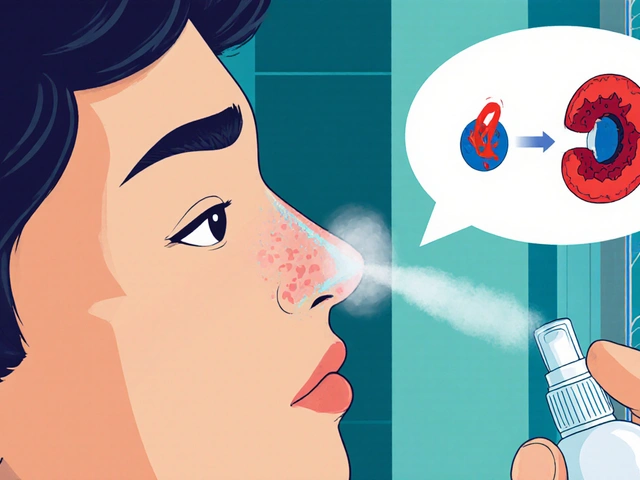
Learn why overusing nasal decongestant sprays causes rebound congestion, how to stop it, and the best treatments - from steroids to saline rinses - to get breathing easy again.