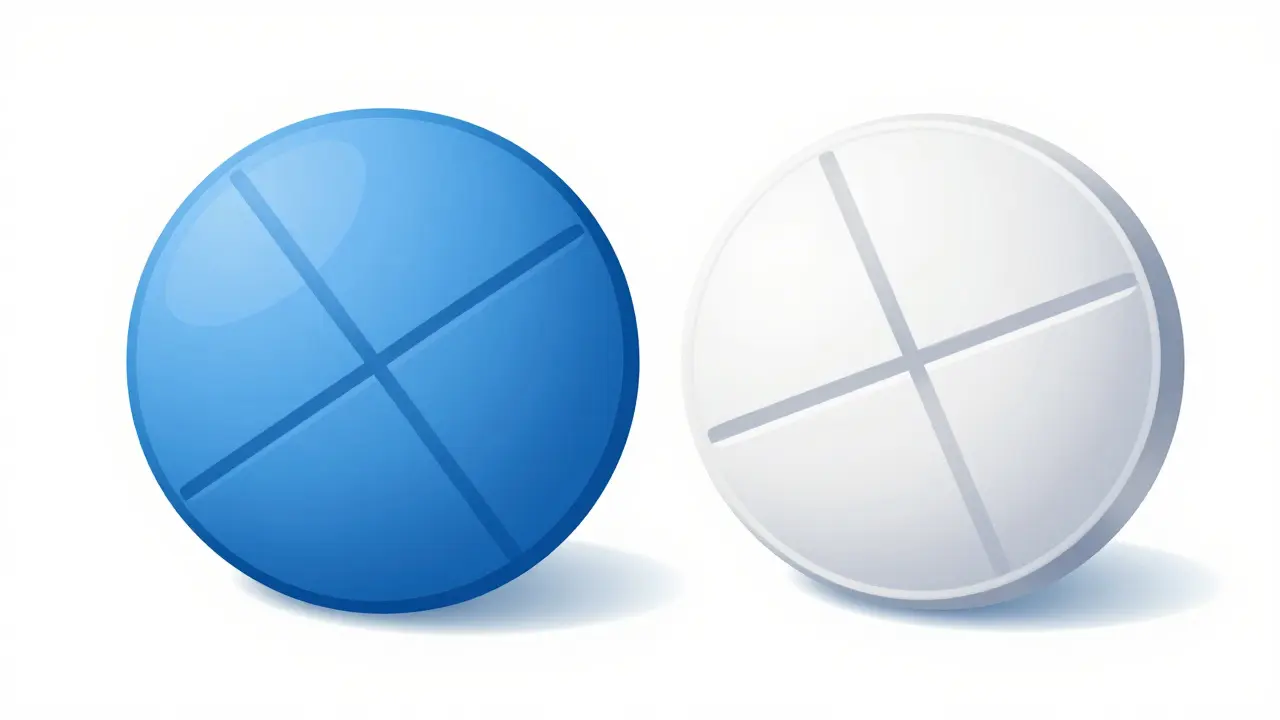

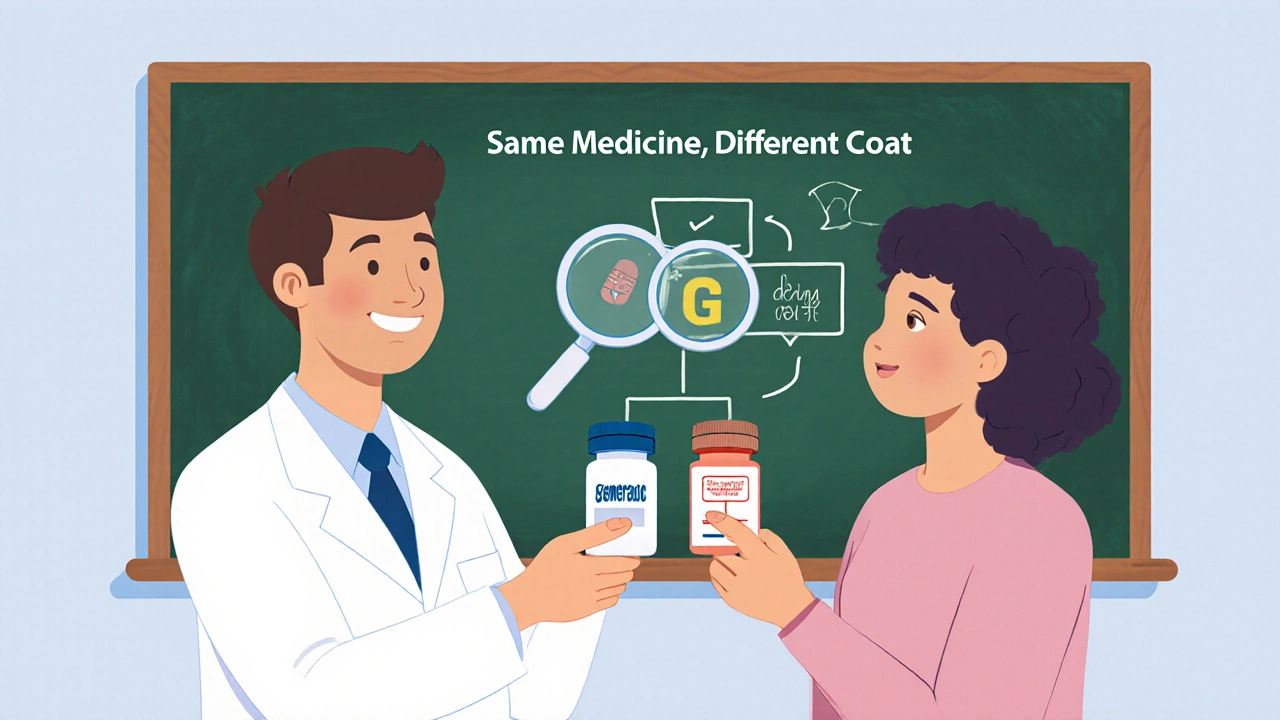
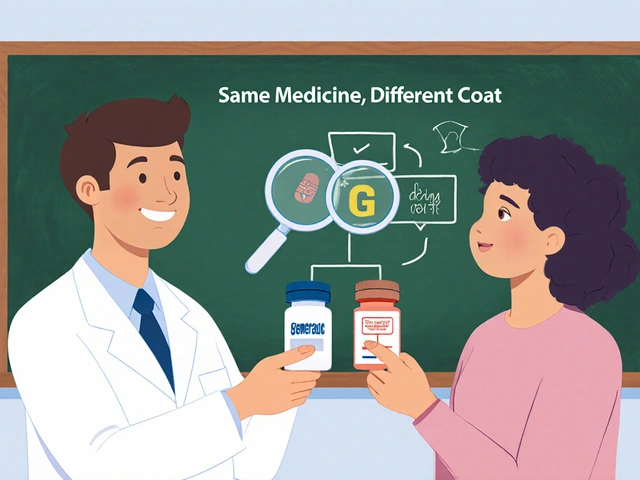
You pick up your prescription at the pharmacy, only to find the pill in your hand is a different color than the one you took last month. Maybe it's smaller, or the shape has changed from round to oval. It's easy to worry that something went wrong or that the pharmacy made a mistake. But in most cases, nothing is wrong. You have simply switched from a brand-name version to a generic druga medication that contains the same active ingredients as a brand-name drug but is sold under a different name and often at a lower cost, and the law requires them to look distinct.
This visual difference isn't an accident of manufacturing. It is a deliberate legal requirement rooted in trademark protection. While the medicine inside works the same way, the outside packaging and the pill itself must signal that it comes from a different company. Understanding this distinction helps you feel more confident when your medication changes appearance.
The Legal Backbone: Trademark Laws vs. Patent Law
To understand why your pill looks different, you need to separate two types of intellectual property: patents and trademarks. When a pharmaceutical company invents a new drug, they get a patent. This patent gives them the exclusive right to sell that specific chemical formula for a set period, usually around 20 years. Once that patent expires, other companies are allowed to make the same medicine. This is where the Hatch-Waxman Acta 1984 U.S. law that established the framework for generic drug approval and patent restoration comes into play, streamlining the process for generic entry.
However, patents protect the formula, not the look. Trademarks protect the identity. If a brand-name drug is a distinct blue oval, that shape and color combination can be trademarked. It acts like a logo for the pill. If a generic manufacturer made a pill that looked exactly the same, patients might get confused. They might think they are getting the brand-name product when they are not, or worse, they might mix up two different medications that happen to look alike.
The U.S. Food and Drug Administrationthe federal agency responsible for protecting public health by ensuring the safety of human drugs and medical devices enforces this separation. They state clearly that trademark laws do not allow a generic drug to look exactly like other drugs already on the market. This rule prevents consumer confusion between products from different manufacturers. It ensures that while you get the same therapeutic effect, you can visually distinguish who made the product.
What Actually Changes: Active vs. Inactive Ingredients
When you switch to a generic, the most important part of the pill stays the same: the active ingredient. This is the chemical component that treats your condition. If you take a generic version of a pain reliever, the active ingredient that stops the pain must be identical to the brand name. The strength, quality, and purity are also strictly regulated to match the original.
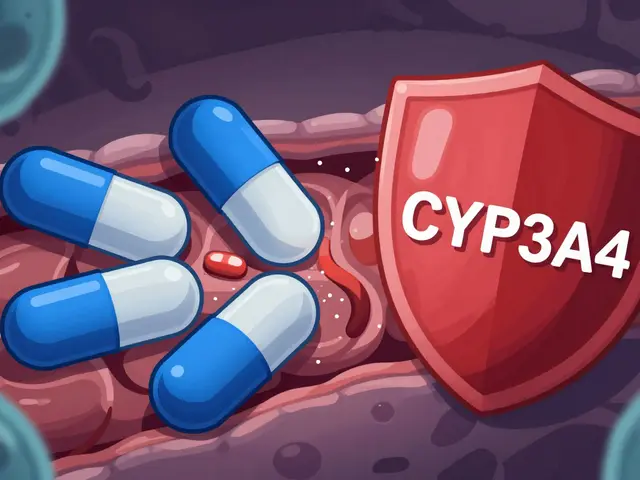
The differences you see come from the inactive ingredients. These are the fillers, binders, colors, and flavors that hold the pill together. They do not affect the performance or safety of the medicine, but they do determine its physical characteristics. A brand-name drug might use a specific blue dye to make the pill look unique. A generic manufacturer cannot use that exact trademarked blue dye if it creates confusion.
- Color: This is the most obvious change. A white pill might become yellow or green.
- Shape: A round tablet might become a capsule or a scored oval.
- Size: Slight variations in thickness or diameter are common.
- Scoring: The lines on a pill that help you split it might look different.
- Flavor: Chewable tablets or liquids might taste slightly different due to different flavoring agents.
These variations are legally mandated to ensure the generic product does not infringe on the brand's trademarked appearance. The FDA explicitly permits these differences because they do not alter how the drug works in your body.
Safety and Bioequivalence: The Science Behind the Look
The biggest question patients have is whether the different look means different results. The answer lies in the concept of bioequivalence. Before the FDA approves a generic drug, the manufacturer must prove it performs the same way as the brand-name version. They conduct studies to measure how the body absorbs the drug.
The standard is strict. The generic drug must deliver between 80% and 125% of the active ingredient into the bloodstream compared to the brand name. This range accounts for normal biological variation between people. A large study comparing generics with brand-name medicines found small differences of only 3.5% in absorption, which falls well within safety standards. This means the medicine hits your system at the same rate and in the same amount.
Dr. Janet Woodcock, former Director of the FDA's Center for Drug Evaluation and Research, emphasized that generic drug companies must provide scientific evidence showing their active ingredient is the same as the brand-name medicine they copy. The FDA reviews this evidence rigorously. They test for approval prior to marketing and conduct ongoing inspections of manufacturing facilities. This ensures that the visual differences do not compromise the therapeutic equivalence.
The Confusion Factor: Patient Safety and Pharmacy Practices
While the system is designed to be safe, the visual differences do create a challenge: patient confusion. When you refill a prescription, the pharmacy might source the drug from a different manufacturer than last time. One month you get a red pill, the next month a blue one. This can be unsettling, especially for patients managing multiple medications or those with cognitive issues.
Medication errors can occur if a patient assumes a change in appearance means a change in dosage or drug type. To combat this, pharmacies implement safety practices. They put unique labels on medicine vials to alert you to any changes in your drug's appearance. Pharmacists often counsel patients that differences in taste or appearance do not affect the drug's safety or effectiveness during the brand-to-generic transition.
Some healthcare providers recommend checking medication appearance against pharmacy labels to prevent errors. If you notice a significant change, it is always safe to ask your pharmacist. They can verify that the medication is the correct generic version of your prescription. In some states, documentation must specify whether a brand or generic was dispensed, and pharmacists may note appearance changes during refills to prevent confusion.

Cost Implications: Why We Accept the Trade-Off
You might wonder why we accept these visual inconsistencies. The primary driver is cost. Generic drugs typically cost 80-85% less than their brand-name equivalents. This massive savings comes from the fact that generic manufacturers do not need to repeat the expensive clinical trials required for new drugs. They only need to prove bioequivalence.
Generics account for approximately 90% of prescriptions filled in the United States while representing only about 23% of pharmaceutical spending. This demonstrates their economic significance. The trademark requirement allows multiple manufacturers to produce therapeutically equivalent medications after patent expiration while protecting brand identity for innovator companies. It balances the need for affordable access with the protection of intellectual property.
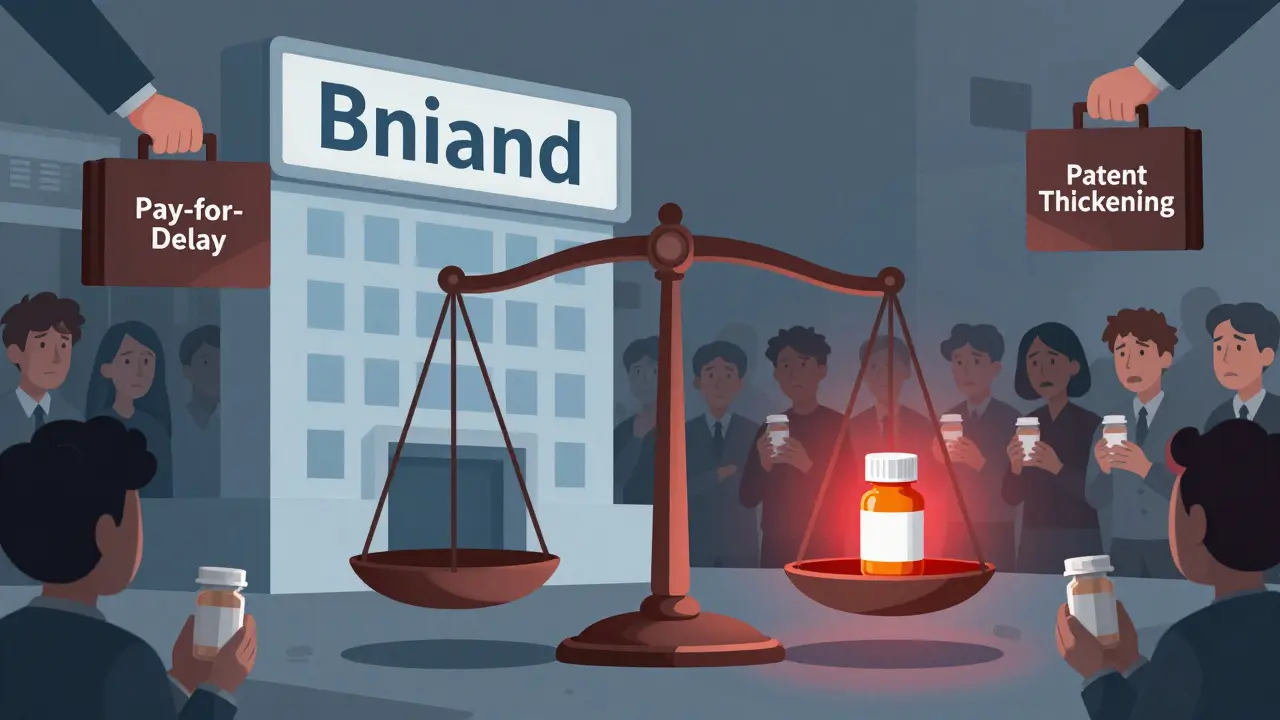
Without this system, brand-name companies could maintain a monopoly on the visual identity of a drug even after patents expire, potentially keeping prices high. The ability to make a slightly different-looking pill allows competition to flourish, driving prices down for everyone. The trade-off of a different color pill is a small price to pay for significantly lower healthcare costs.
What to Do When Your Pills Change
Living with generic medications means being adaptable. Here is how you can manage the situation safely and confidently.
- Check the Label: Always read the bottle label to confirm the drug name and dosage, not just the pill's appearance.
- Ask Questions: If the pill looks different, ask your pharmacist immediately. It is a routine question for them.
- Keep a Log: If you take multiple medications, keep a list of what each pill looks like. Update it when you get a new refill.
- Use Pill Organizers: Sorting pills by day can help if the appearance changes frequently between refills.
- Request Consistency: In some cases, you can ask your doctor to write "Dispense as Written" if you prefer the brand name, though this may cost more.
Healthcare providers typically counsel patients that the learning curve for understanding these differences is minimal with proper education. Most patients adapt quickly once they understand the legal and scientific reasons behind the changes. The FDA continues to monitor both brand and generic drugs through continued safety monitoring after approval, ensuring equivalent standards are maintained over time.
Why do my generic pills look different from the brand name?
Trademark laws require generic drugs to have a distinct physical appearance from brand-name drugs. This prevents consumer confusion and protects the brand identity of the original manufacturer. Differences in color, shape, and size are legally mandated.
Are generic drugs as safe as brand-name drugs?
Yes. The FDA requires generic drugs to demonstrate bioequivalence, meaning they work the same way in the body as the brand-name version. They must contain the same active ingredients, strength, and quality.
Can I switch between different generic manufacturers?
Generally, yes. Pharmacies may source drugs from different manufacturers depending on availability and price. All approved generics must meet the same safety and efficacy standards set by the FDA.
What should I do if my medication looks different at the pharmacy?
Do not panic. Check the label to ensure the drug name and dosage are correct. Ask the pharmacist to confirm the change. They can explain that it is a different generic version and verify it is safe for you.
Do inactive ingredients affect how the drug works?
Inactive ingredients like fillers and dyes do not affect the drug's performance, safety, or effectiveness. They are used to hold the pill together and give it shape and color, but they do not contribute to the therapeutic action.
Why are generic drugs cheaper than brand-name drugs?
Generic manufacturers do not need to repeat expensive clinical trials or invest in marketing the original discovery. They only need to prove bioequivalence, which significantly reduces production costs.
Can I ask my doctor to prescribe only the brand name?
Yes, you can request that your doctor write "Dispense as Written" or "Brand Medically Necessary" on the prescription. However, this may result in higher out-of-pocket costs for you.
Does the FDA monitor generic drug quality?
Yes. The FDA monitors both brand and generic drugs through testing for approval prior to marketing, ongoing inspections of manufacturing facilities, and continued safety monitoring after approval.
What is bioequivalence?
Bioequivalence is a measure of how well a generic drug performs compared to the brand name. It must deliver between 80% and 125% of the active ingredient into the bloodstream at the same rate as the brand-name drug.
Are there risks of medication errors with generics?
There is a potential risk if patients confuse different look-alike pills. Pharmacies use unique labels and patient education to mitigate this risk. Always verify the label when the pill appearance changes.
| Feature | Brand-Name Drug | Generic Drug |
|---|---|---|
| Active Ingredient | Original formula | Identical to brand |
| Appearance | Distinctive (trademarked) | Different color/shape |
| Cost | Higher | 80-85% lower |
| Approval Process | Full clinical trials | Bioequivalence study |
| Safety Standards | FDA approved | FDA approved |


11 Comments
It is really interesting to know that the law actually forces them to look different! I always thought it was just a manufacturing mistake when I got a new bottle, you know. The pharmacy lady never told me why the color changed from blue to yellow, honestly. I was so worried that they gave me the wrong medicine by accident, which is scary. Now I understand that it is all about the trademark laws protecting the big companies, really. It makes sense that they want to keep their brand identity separate from the generics, obviously. The active ingredient is the same thing which is the most important part for sure, yes. I feel much better knowing that the FDA checks the bioequivalence standards, thank goodness. It is scary when you are sick and you see a different pill in your hand, truly. But the science says it works exactly the same way in your body, so relax. The cost savings are definitely worth the little bit of confusion sometimes, I think. We should all be grateful that we can afford our medication at all, really. The inactive ingredients are just fillers and dyes anyway, nothing major. They do not change how the drug performs inside your system, trust me. It is good to read this explanation to calm down our fears, so much. I am so happy to learn this today! 😊💊
It is absurd that patients have to deal with this level of confusion. The pharmaceutical industry cares more about logos than human safety. You should not have to verify every single refill just to stay alive. This legal framework is designed to protect profits instead of people. The confusion factor is a real risk that nobody wants to address.
glad to know the science backs it up :)
you are so right and i feel that too in my bones. the whole system is messed up and we pay the price. why cant they just keep the same pill for everyone. it is so stressfull when you are trying to take care of your health. 😡
It is so important that we trust the science behind these changes. We need to be responsible about our health choices always. The FDA does a great job keeping us safe from harm. 😊💊
I hope everyone feels more confident after reading this info. It is okay to ask the pharmacist if you are unsure. They are there to help you manage your medications safely. 🌟
yeah just talk to them and you will be fine
The dichotomy between intellectual property rights and public health access remains a contentious issue. One must consider the broader implications of trademark enforcement on medication accessibility. It is a necessary evil to sustain innovation within the market.
honestly that is just corporate speak to make it sound fancy. nobody cares about the philosophy when they are trying to save money. the bottom line is the cost difference matters the most.
it really is a relief to know the truth about the pills. i was so scared before now
Fear often stems from the unknown rather than actual danger. Understanding the mechanism reduces the anxiety significantly. We should embrace knowledge to navigate these systems better.