
When someone takes too much of a medication, it’s not just a mistake-it can be life-threatening. But here’s the thing: for many common overdoses, there’s a specific antidote that can reverse the damage-if it’s given in time. You don’t need to be a doctor to understand when and how these antidotes work. This guide breaks down the most common medication overdoses and the exact antidotes used to save lives, in plain language you can use right away.
Acetaminophen (Paracetamol) Overdose: The Silent Killer
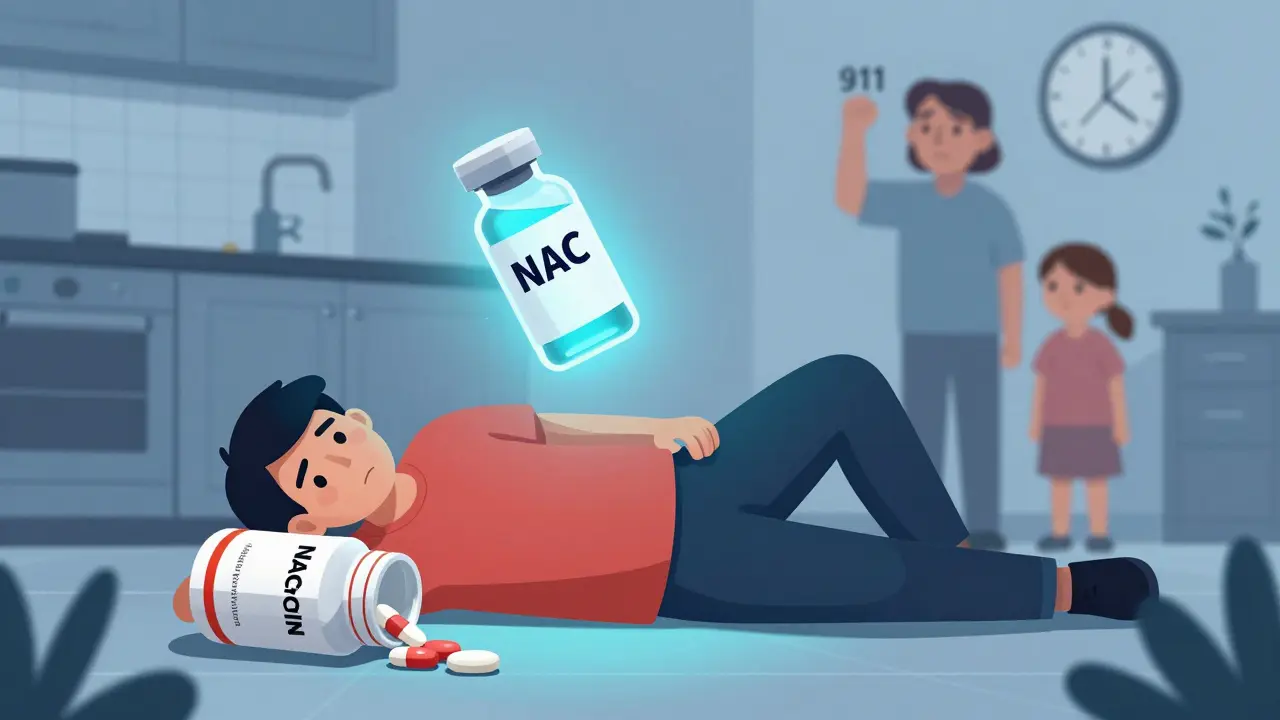
Acetaminophen is in more than 600 over-the-counter and prescription products-from pain relievers to cold medicines. It’s safe at normal doses, but taking just 10 to 15 grams at once (about 20-30 regular tablets) can cause severe liver damage. The scary part? You might feel fine for the first 24 hours. No vomiting, no pain, no warning signs. By the time you feel sick, your liver could already be failing.
The antidote is N-acetylcysteine (NAC). It works by restoring glutathione, your body’s natural defense against acetaminophen toxicity. But timing is everything. If you start NAC within 8 hours of taking too much, it’s 98% effective at preventing liver failure. After 16 hours, that drops sharply. Delaying treatment increases your chance of needing a liver transplant-or worse.
NAC comes in two forms: IV (intravenous) and oral. The IV version is given in hospitals over 21 hours. The oral version requires 133 grams total, mixed in a sweet drink to make it tolerable. Even if you feel okay, if you took a large amount, get to an emergency room immediately. Don’t wait for symptoms. Poison control centers stress: “Always seek treatment for paracetamol overdose immediately, even if the person seems well.”
Opioid Overdose: Naloxone Can Bring Someone Back
Opioids-prescription painkillers like oxycodone, hydrocodone, or illegal drugs like heroin and fentanyl-slow breathing until it stops. An overdose can kill in minutes. But there’s a powerful, fast-acting antidote: naloxone.
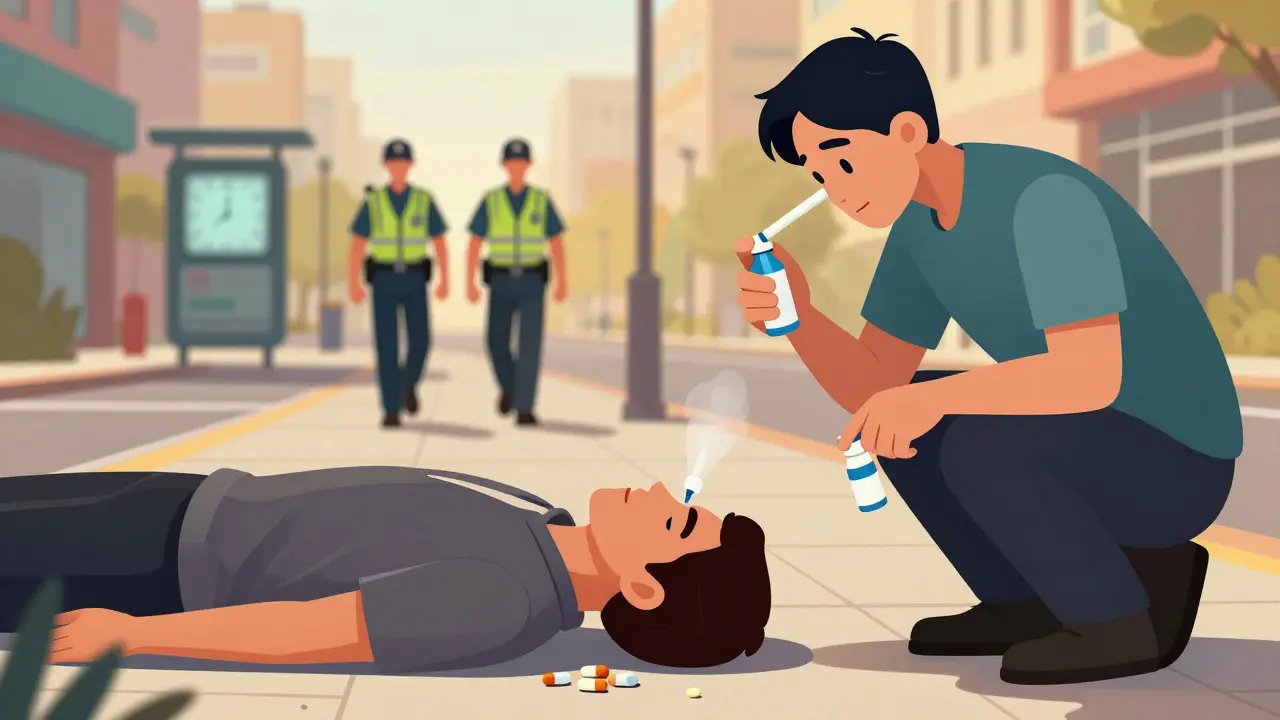
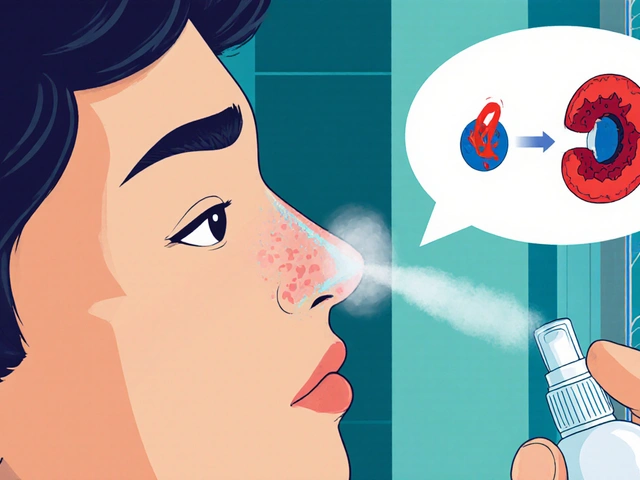
Naloxone works by kicking opioids off brain receptors and restoring breathing. It’s given as a nasal spray (like Narcan) or an injection into the muscle. A single dose is 0.4 to 0.8 mg. If there’s no response after 2-3 minutes, give another dose. It’s safe to give multiple doses. The biggest mistake people make? Giving one dose and walking away.
Here’s the catch: naloxone wears off in 30 to 90 minutes. Opioids like fentanyl can stay in the body much longer. That means someone can slip back into overdose after naloxone wears off. That’s why you must call emergency services immediately-even if the person wakes up. They need to be monitored for hours.
Since 2023, naloxone nasal spray is available over the counter in the U.S. and widely distributed in community programs. In Victoria, Australia, over 25,000 kits have been given out since 2017, with more than 1,800 documented reversals. If you or someone you know uses opioids, keep naloxone on hand. It’s not just for addicts-it’s for anyone who might accidentally take too much.
Benzodiazepine Overdose: Don’t Rush the Antidote
Benzodiazepines-medications like diazepam (Valium), alprazolam (Xanax), and lorazepam (Ativan)-are prescribed for anxiety and sleep. Overdosing on them alone is rarely fatal because they don’t suppress breathing as dangerously as opioids. But when mixed with alcohol or opioids, the risk skyrockets.
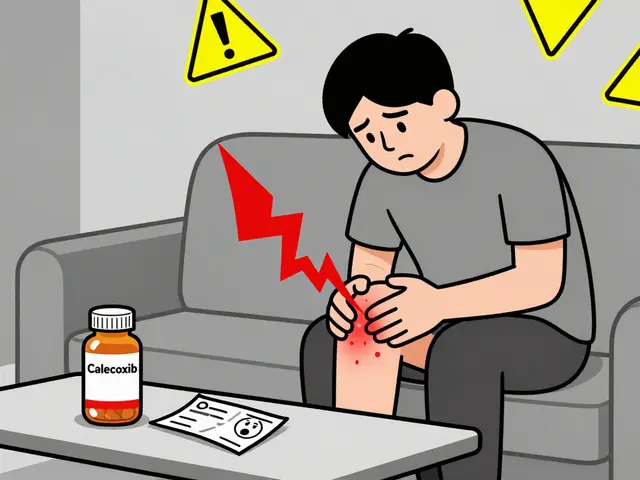
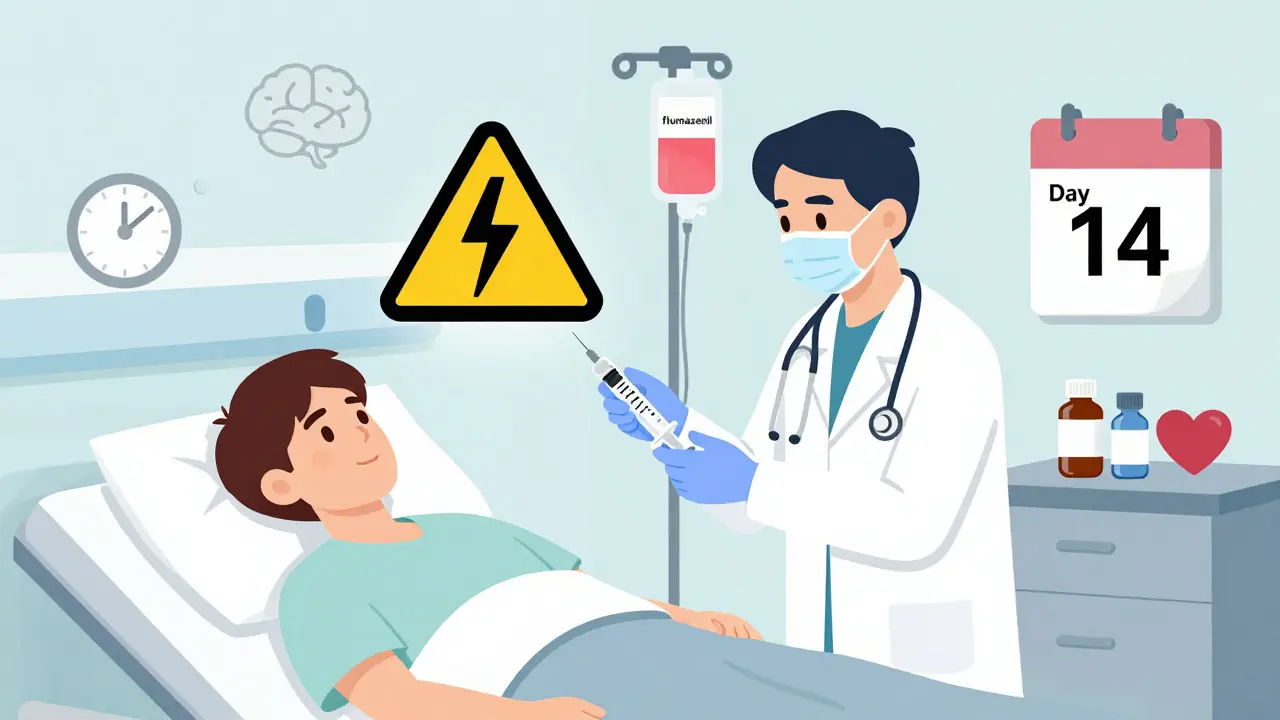
The antidote is flumazenil. It reverses the sedative effects quickly. But here’s the problem: if someone has been taking benzodiazepines daily for weeks or months, giving flumazenil can trigger sudden, dangerous seizures. That’s why many doctors avoid it entirely in these cases. Instead, they use supportive care: oxygen, airway support, and monitoring until the drug leaves the body.
Even in hospitals, flumazenil is used cautiously. The first dose is only 0.2 mg IV, followed by tiny increases every minute. Too much too fast can cause panic, confusion, or seizures. One nurse shared on Reddit: “Administered naloxone to an opioid overdose patient who woke up combative-reinforces why California Poison Control recommends small initial doses to avoid abrupt awakening.” The same principle applies to flumazenil. It’s not a magic button. It’s a tool that requires experience.
Toxic Alcohol Poisoning: Methanol and Ethylene Glycol
These aren’t common in accidental overdoses, but they happen. Ethylene glycol is in antifreeze. Methanol is in windshield washer fluid or homemade alcohol. Swallowing even a small amount can cause blindness, kidney failure, or death.
The antidote is fomepizole. It blocks the body from turning these poisons into deadly acids. The standard dose is 15 mg/kg IV, then 10 mg/kg every 12 hours. It’s expensive-around $4,000 per treatment-but far safer and easier to use than the old alternative: ethanol (vodka or whiskey).
Back in the day, doctors would give patients IV ethanol to compete with the poison. But ethanol requires constant blood level monitoring, causes intoxication, and is hard to dose precisely. Fomepizole doesn’t make you drunk. It doesn’t need constant tweaks. It’s the gold standard now. But not every hospital stocks it. Rural hospitals often don’t have it on hand. If you suspect someone swallowed antifreeze or industrial cleaner, get them to a hospital immediately. Time is critical.
Methemoglobinemia: When Blood Can’t Carry Oxygen
This rare condition happens when certain drugs-like dapsone, benzocaine sprays, or nitrites-turn hemoglobin into methemoglobin, which can’t carry oxygen. The skin turns blue-gray. Breathing becomes labored. The person looks like they’re suffocating, even if their lungs are fine.
The antidote is methylene blue. It’s given as an IV injection at 1 to 2 mg per kilogram of body weight. It works fast-often within minutes. But there’s a limit: no more than 7 mg/kg total. Too much can cause its own problems. It’s not something you can give at home. This is strictly a hospital treatment.
What You Can Do Right Now
You don’t need to memorize all these antidotes. But you do need to know two things:
- If someone overdoses, call emergency services immediately. Don’t wait. Don’t try to “wait it out.”
- Keep naloxone in your home if you or someone you live with uses opioids-even if it’s prescribed.
For acetaminophen, keep the poison control number saved in your phone. In the U.S., it’s 1-800-222-1222. In New Zealand, it’s 0800 764 766. They’ll tell you exactly what to do.
Don’t stockpile antidotes at home unless you’re trained. NAC, flumazenil, and methylene blue aren’t available over the counter. But naloxone is. Ask your pharmacist for it. No prescription needed in most places.
Myths That Get People Killed
- “They’ll be fine if they sleep it off.” False. Acetaminophen damage doesn’t show symptoms until it’s too late. Opioid overdose can stop breathing while they’re asleep.
- “Naloxone is only for drug addicts.” No. It’s for anyone who takes opioids-even a single extra pill.
- “One dose of naloxone is enough.” Not if the overdose was from fentanyl. Multiple doses are often needed.
- “I can use home remedies like ice baths or vomiting.” These don’t work. They can make things worse.
What’s Changing in 2025
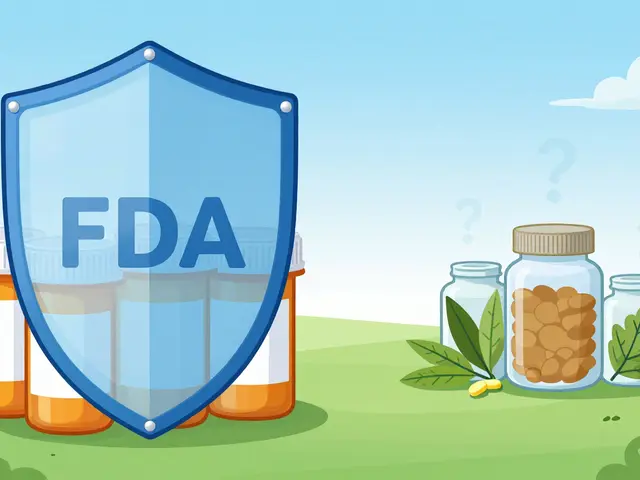
Things are improving. The FDA approved the first over-the-counter naloxone nasal spray in late 2023. By 2025, it’s widely available in pharmacies, gas stations, and convenience stores. New long-acting naloxone formulations are in trials-some could last 4 to 6 hours instead of 90 minutes.
Meanwhile, poison control centers are handling over 2 million cases a year in the U.S. alone. Nearly 80% of those cases are managed without hospital visits, thanks to quick advice from trained specialists. That’s why calling poison control is often the fastest, safest first step.
Knowledge saves lives. You don’t need to be a medical professional to recognize an overdose. You just need to know what to do next.
Can I give an antidote to someone at home?
Only naloxone is designed for home use by non-medical people. It’s safe, easy to use, and comes in nasal spray form. All other antidotes-like NAC, flumazenil, or methylene blue-require medical supervision and IV access. Never try to give these at home. Call emergency services instead.
Is it safe to give naloxone to someone who didn’t overdose on opioids?
Yes. Naloxone only works on opioid receptors. If the person didn’t take opioids, it won’t hurt them. It won’t wake them up, but it won’t cause harm either. When in doubt, give it. The risk of not giving it when needed is far greater.
What if I’m not sure if it’s an overdose?
Call emergency services or poison control. They’ll ask you questions like: What did they take? How much? When? Are they breathing? Are they responsive? Based on that, they’ll tell you whether to wait, give naloxone, or rush to the hospital. Better to call too early than too late.
How long does it take for an antidote to work?
Naloxone works in 2 to 5 minutes. NAC takes hours to rebuild liver protection-it’s not immediate. Methylene blue works in minutes. But timing matters: NAC must be given within 8 hours of acetaminophen overdose to be effective. Antidotes aren’t magic-they’re time-sensitive tools.
Can I buy antidotes like NAC or flumazenil at the pharmacy?
No. Only naloxone is available over the counter. NAC, flumazenil, fomepizole, and methylene blue are prescription-only and require medical supervision. Don’t try to order them online. They’re not safe to use without proper training or monitoring.
Why don’t hospitals always have every antidote on hand?
Cost and rarity. Fomepizole costs thousands per dose. It’s only needed for rare poisonings. Hospitals prioritize stocking antidotes for the most common threats-like naloxone and NAC. Rural hospitals often lack fomepizole or digoxin immune Fab. That’s why calling poison control first helps them direct you to the right facility.
Final Thought: Be Prepared, Not Scared
Medication overdoses happen more often than you think. A child finds a pill. An elderly person mixes prescriptions. Someone takes an extra dose to help sleep. These aren’t failures-they’re accidents. And they’re preventable.
You don’t need to become a toxicologist. But you can learn to recognize the signs: unresponsiveness, slow or shallow breathing, blue lips, confusion. You can save a number in your phone. You can keep naloxone in your glovebox or medicine cabinet. You can speak up if you see someone at risk.
Antidotes aren’t just for hospitals. They’re for families, friends, neighbors. And sometimes, the person who saves a life is the one who knew what to do before the ambulance arrived.
10 Comments
Naloxone in my glovebox now. Didn’t think I’d ever need it, but my cousin’s kid got prescribed oxycodone after surgery. Better safe than sorry.
This is one of the most important public health summaries I’ve read in years. The clarity on NAC timing and the dangers of waiting for symptoms is life-saving information. Thank you for making this accessible.
Of course the FDA waits until opioid deaths hit record numbers before making naloxone available at gas stations. Brilliant crisis management.
Flumazenil is such a double-edged sword. I’ve seen people on long-term benzos get revived by it… then have full-blown seizures 20 minutes later. Doctors are right to be cautious.
i always wonder why we dont have more of these antidotes as over the counter meds… like nac for acetaminophen? its so simple, so cheap… why make people wait until theyre in the er?
As a public servant, I urge every household to keep naloxone. In India, we face rising polypharmacy among the elderly. This knowledge isn’t luxury-it’s civic duty. Share this with your neighbors.
Wow. Someone actually wrote a medical guide without typos. Is this a miracle? Or did the AI proofread it? Either way, I’m impressed. Also, yes-naloxone in every home. Even if you don’t use opioids, your cousin’s ex might.
Let’s not romanticize these antidotes. NAC requires a 21-hour IV drip. Fomepizole costs $4,000. This isn’t ‘knowledge saves lives’-it’s ‘wealth saves lives.’ The real story is healthcare inequality, not heroics.
It’s disgraceful that we need to rely on corporate pharmacies to distribute life-saving antidotes. In America, we’ve turned medical emergencies into retail transactions. Naloxone on the shelf next to energy drinks? Pathetic. We need universal healthcare, not convenience-store CPR.
If you’re not keeping naloxone in your house, you’re not a good friend, parent, or human. Stop making excuses. Buy it. Learn it. Use it. Someone’s life depends on your willingness to act.