
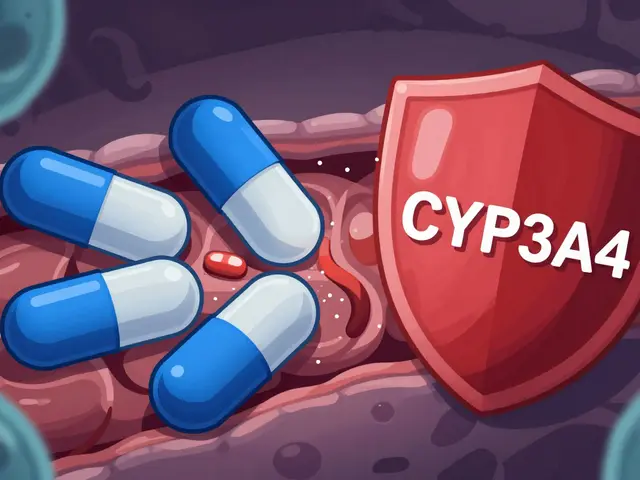
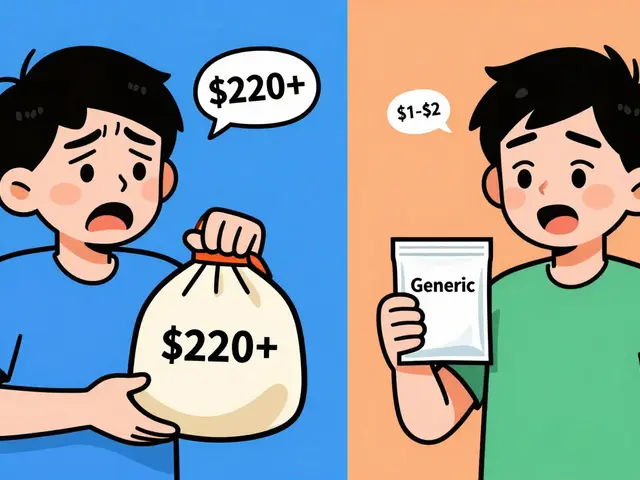
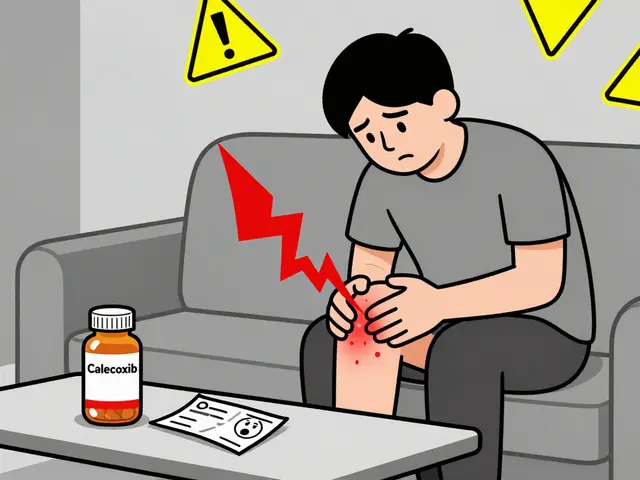
When your doctor prescribes a brand-name medication but your insurance says you must switch to a cheaper generic version - and you know that won’t work for you - you’re not alone. Every year, millions of people face this exact problem. Insurance companies use formularies to control costs, but sometimes those rules ignore real medical needs. The good news? You have the right to appeal. And if you follow the right steps, your chances of winning are better than you think.
Understand Why Your Insurance Denied the Medication
Before you start an appeal, you need to know exactly why your claim was rejected. Look at your Explanation of Benefits (EOB) letter. It should clearly state the reason: maybe they said the generic is just as effective, or they require you to try another drug first (this is called step therapy). Sometimes they claim the medication isn’t on their formulary at all.Don’t ignore this letter. It’s your roadmap. Federal law requires insurers to include appeal instructions on it. If it doesn’t, call your insurer right away. Keep a copy. Write down the date you received it. You have 180 days from that date to file an internal appeal for commercial insurance. Medicare gives you only 120 days. Missing this window means you lose your chance.
Gather the Right Documentation
This is where most appeals fail - or succeed. It’s not about arguing. It’s about proving. Insurance reviewers are not doctors. They’re trained to follow rules. So you need to give them medical evidence they can’t ignore.Three things are non-negotiable:
- A letter of medical necessity from your doctor. This isn’t a note saying “my patient needs this.” It must say: why the generic won’t work, what happened when you tried alternatives, and what guidelines support your doctor’s choice.
- Proof of prior treatment failures. If you tried the generic or another drug and it made you sick, had no effect, or caused side effects - document it. Dates, symptoms, lab results, ER visits. The Crohn’s & Colitis Foundation found that 83% of successful appeals included this kind of detail.
- Clinical guidelines. Reference trusted sources like the American College of Physicians, the American Academy of Allergy, or specialty society guidelines. For example: “Per ACP Clinical Guidelines 2023, patients with autoimmune conditions and prior adverse reactions to sulfonamides should avoid sulfasalazine.”
One patient in Dunedin successfully appealed for semaglutide after documenting three failed attempts at insulin adjustments that led to severe hypoglycemia. Her doctor’s letter cited the ADA Standards of Care 2023. That’s the kind of detail that works.
Submit the Appeal Correctly
Each insurer has its own form. UnitedHealthcare, Aetna, Cigna - they all use different templates. But they all require the same core info:- Your full name and insurance ID number
- Date of denial
- Name of the medication (brand and generic)
- Prescribing doctor’s name and contact info
- Attached documentation
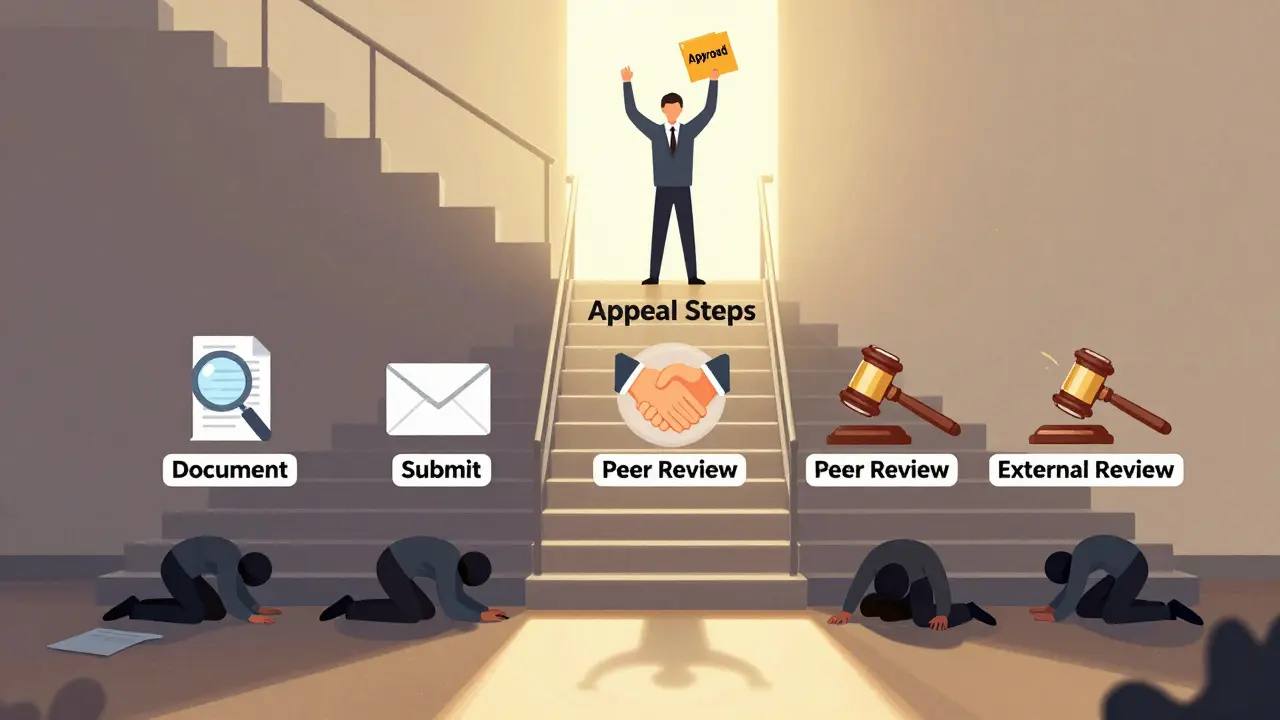
Don’t just email a letter. Use the insurer’s official form if they have one. If not, use a template from the Patient Advocate Foundation or your doctor’s office. Send it certified mail or submit it online through the insurer’s portal - and keep a confirmation number. Don’t rely on phone calls. Paper trails win appeals.
Request a Peer-to-Peer Review
This is the secret weapon. Most people don’t know about it. When your appeal is denied, ask your doctor to request a peer-to-peer review. That means your doctor talks directly to the insurance company’s medical director.It’s not a form. It’s a conversation. And it works. Dr. Scott Glovsky, a California healthcare attorney, says peer reviews have a success rate over 75% when done right. The insurer’s doctor can’t hide behind policy language. They have to answer clinical questions. Your doctor should be ready with specific data: lab values, dosage history, side effect logs.
Medicare Part D plans automatically offer this step after the first denial. Commercial insurers may require you to ask for it. Call the appeals department and say: “I’d like to initiate a peer-to-peer review between my prescribing physician and your medical director.” They’ll guide you from there.

Know Your Timelines
Time matters. Insurance companies have legal deadlines:- Standard appeals: 30 days to respond (if you haven’t started the medication) or 60 days (if you’re already taking it)
- Expedited appeals: 4 business days if your health is at risk (e.g., risk of hospitalization, worsening condition)
- Medicare Part D: 7 days for standard, 3 days for urgent cases (as of 2023 updates)
If they miss the deadline, you automatically win. And if your condition is urgent, don’t wait. Mark “URGENT” on every document. Call the appeals line daily. Keep notes of who you talked to and when. Johns Hopkins found that 41% of failed urgent appeals were due to misclassification - meaning someone didn’t understand the urgency.
Escalate to External Review
If your internal appeal is denied, you’re not done. You can request an external review - an independent third party that makes the final call. This is mandatory for commercial plans under federal law. For Medicare, it’s the second level of appeal.State insurance commissioners handle these reviews. In California, the Department of Insurance resolves 92% of complaints within 30 days. In New York, the process must start within 72 hours of your request. You don’t need a lawyer. Just fill out the form they send you. Attach all your documents again. Include your original appeal denial letter.
External reviewers are trained to look at medical evidence - not insurance policies. They overturn denials in 56% to 78% of cases, according to the Journal of Managed Care & Specialty Pharmacy. If your doctor’s notes are clear and your history is documented, this is your strongest shot.
Track Everything
Create a simple file: one folder, one spreadsheet.- Date of each submission
- Who you spoke to (name, title, extension)
- Reference numbers
- What was requested
- What was sent
- Response received (or lack thereof)
Patients who track their appeals are 65% more likely to succeed, according to the Patient Advocate Foundation. It’s not magic. It’s accountability. If an insurer says they never got your letter, you have proof.
What If You Still Get Denied?
You still have options. You can:- Appeal again if new evidence emerges (e.g., a new lab result)
- Ask your doctor to write a second letter with updated data
- Contact your state’s insurance commissioner - they can intervene
- Check if your drug manufacturer offers a patient assistance program
Many pharmaceutical companies have programs that give free or discounted drugs to people who can’t afford them - even if insurance denies coverage. Ask your pharmacist or doctor. They often know the programs.
Common Mistakes That Kill Appeals
Most denials aren’t because the medication isn’t needed. They’re because of avoidable errors:- Using vague language like “my patient needs this” instead of specific clinical reasons
- Not including dates of failed alternatives
- Missing the deadline - even by one day
- Not requesting a peer-to-peer review
- Waiting too long to escalate
One patient in Wellington had her appeal denied because her doctor wrote, “I believe this drug is best.” The insurer rejected it. She resubmitted with: “Patient developed Stevens-Johnson syndrome after exposure to generic carbamazepine in 2022. Alternative medications (lamotrigine, oxcarbazepine) caused severe dizziness and cognitive impairment per neurology consult 03/2023. Per AAN Guidelines 2023, carbamazepine is indicated for refractory epilepsy with prior adverse reactions.” Approved on second try.
Why This Matters
Insurance companies aren’t evil. They’re following rules designed to cut costs. But those rules don’t always match real life. A 2023 study showed that 78% of appeals for oncology drugs were overturned - because the evidence was strong. Psychiatric meds? Only 47%. Why? Because documentation was weaker.When you fight this right, you’re not just getting a drug. You’re protecting your health. You’re forcing the system to listen. And you’re setting a precedent for others.
Success isn’t luck. It’s preparation. It’s knowing what to say. And most of all - it’s having your doctor on your side.
Can I appeal if my insurance says the generic is just as good?
Yes. Just because a drug is generic doesn’t mean it works for everyone. Many people have allergies, metabolic differences, or adverse reactions to inactive ingredients in generics. Your doctor must document why the brand-name version is medically necessary - not just preferred. Clinical evidence of past failures or documented side effects is key.
How long does an insurance appeal take?
Standard appeals take 30 to 60 days. If you’re already taking the medication, insurers have up to 60 days. For urgent cases - like risk of hospitalization or worsening condition - you can request an expedited review, which must be decided in 4 business days. Medicare Part D now requires decisions within 3 days for urgent cases as of 2023.
Do I need a lawyer to appeal?
No. Most people win appeals without a lawyer. What matters is strong documentation from your doctor and following the insurer’s process exactly. State insurance commissioners offer free help. Patient advocacy groups provide templates and guidance. Lawyers are rarely needed unless you’re taking legal action after exhausting all appeal options.
What if my doctor won’t help with the appeal?
Your doctor has no legal obligation to help - but most will if you ask clearly. Bring them the insurer’s denial letter and ask: “Can you write a letter explaining why this medication is medically necessary?” If they refuse, ask for a referral to another provider who’s experienced with appeals. Some clinics have case managers who specialize in this.
Can I appeal a step therapy requirement?
Yes. Step therapy - forcing you to try cheaper drugs first - is one of the most common reasons for appeals. You can appeal if you’ve already tried those drugs and they didn’t work, caused side effects, or made your condition worse. Document every attempt. The American Medical Association says 68% of overturned denials involve documented adverse reactions to step therapy drugs.
Next Steps
If you’re facing a denial today:- Find your Explanation of Benefits letter.
- Call your doctor’s office and ask for a medical necessity letter.
- Download your insurer’s appeal form (or use a template from the Patient Advocate Foundation).
- Submit everything by certified mail or online portal.
- Ask your doctor to request a peer-to-peer review.
- Track every step.
You’re not fighting just for a prescription. You’re fighting for control over your own care. And with the right steps, you can win.






8 Comments
Yo, this guide is straight fire. I’ve been through this with my dad’s diabetes med - insurance tried to force him onto a generic that made his blood sugar go haywire. We used the exact template from the Patient Advocate Foundation, got the doc to cite ADA 2023, and hit ‘em with a peer-to-peer. Won in 11 days. The system’s broken, but this? This is how you break it back.
Also, side note: always spell out ‘semaglutide’ in full. I’ve seen claims get tossed because someone wrote ‘Ozempic’ and the system didn’t auto-match. Tiny details win big battles.
bro this is gold. i literally just got denied for my antidepressant and was about to give up. i had no idea about peer-to-peer reviews. my doc was like ‘uhhh i’ll write a note’ and i was like nah fam let me show you this. printed the whole thing, mailed it certified, and now i’m waiting. fingers crossed. if it works i’m sharing this with every person i know who’s got insurance drama. you’re a lifesaver.
Interesting. But let me ask - why are you even appealing? In India, generics are the standard. They’re just as effective, tested, and regulated. Your system is overcomplicating things. You’re clinging to brand names because you’re conditioned to believe ‘more expensive = better.’ That’s not medicine - that’s marketing.
My cousin in Pune takes the same generic for hypertension. No side effects. No issues. Your ‘personalized’ approach is a luxury the rest of the world can’t afford. Maybe your insurance is right.
There’s a deeper truth here beneath the steps and forms: this isn’t about medication. It’s about autonomy. The moment your insurer decides what your body can tolerate - they’re not managing risk, they’re managing you.
That letter from your doctor? It’s not just evidence. It’s a declaration: ‘I am not a data point. My health is not a cost center.’
Every appeal you file is a quiet rebellion. And when you win? You don’t just get a pill. You reclaim your right to be heard. That’s why this matters more than the 56% approval rate. It’s about dignity.
Also - yes, track everything. I keep a Google Sheet. Subject line: ‘My Body Is Not a Spreadsheet.’ It’s weird. It helps.
How can you Americans be so entitled? In India, we don’t have the luxury of choosing brand-name drugs. We take what works. You think your body is special? Everyone has side effects. You think the system is against you? It’s against everyone. Stop crying. Get a job. Pay taxes. Then maybe you can afford better care.
Also, why are you even using Western medicine? Ayurveda has been curing people for 5000 years. Maybe you need to go back to your roots.
Just wanted to say - this guide is everything. I helped my sister appeal for her MS med last year. We followed every step. Got the peer review. Sent it certified. And guess what? They approved it on day 24. She’s been stable for 10 months now.
Don’t let fear stop you. I know it’s exhausting. But your voice matters. Your doctor is your ally. Your records are your weapon. And you? You’re not just fighting for a prescription - you’re fighting for your future. Keep going. You’ve got this. 💪
omg i just found this after crying for 2 hours because my insurance denied my anxiety med. i had no idea about the peer thing. my dr just said 'i'll try' but i didn't know how to push. i'm printing this right now. thank you. seriously. you saved me. 🥹
This is the kind of guide that should be on every pharmacy counter. 🙌 I’ve been doing this for 7 years as a pharmacist - and 9 out of 10 patients give up because they think it’s too hard. You just gave them a map. Now go forth and conquer. 🚀