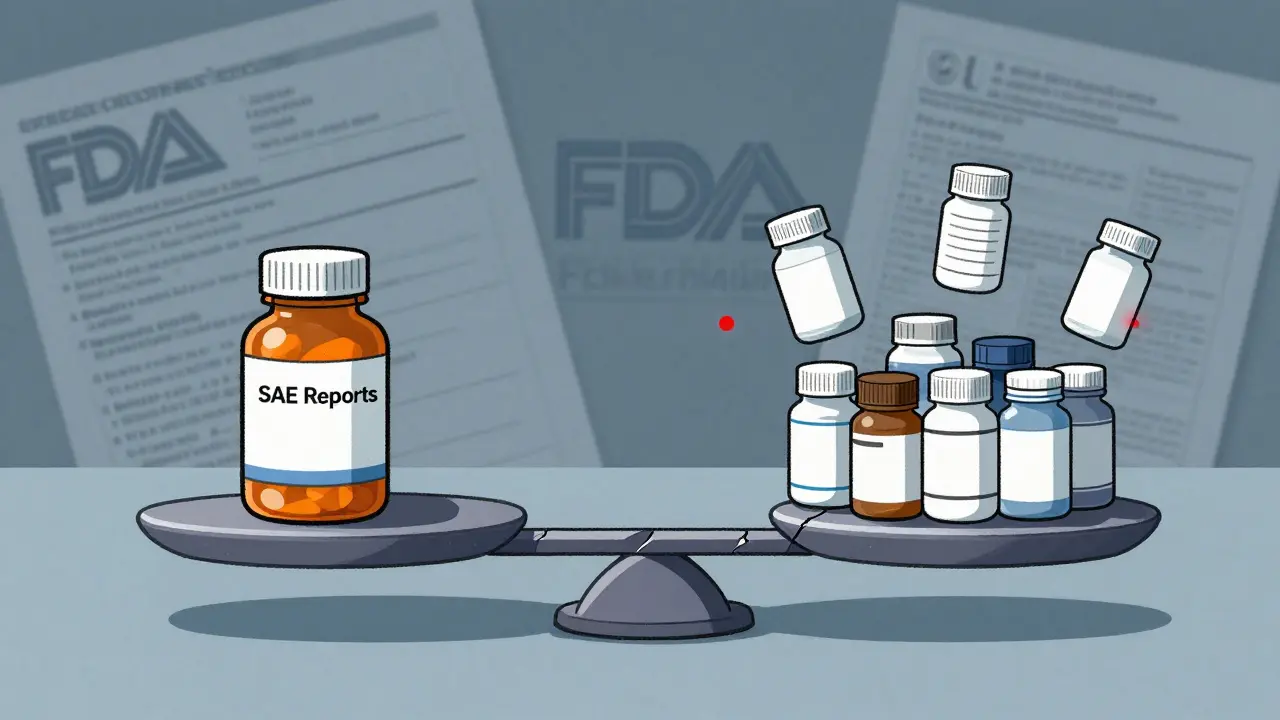

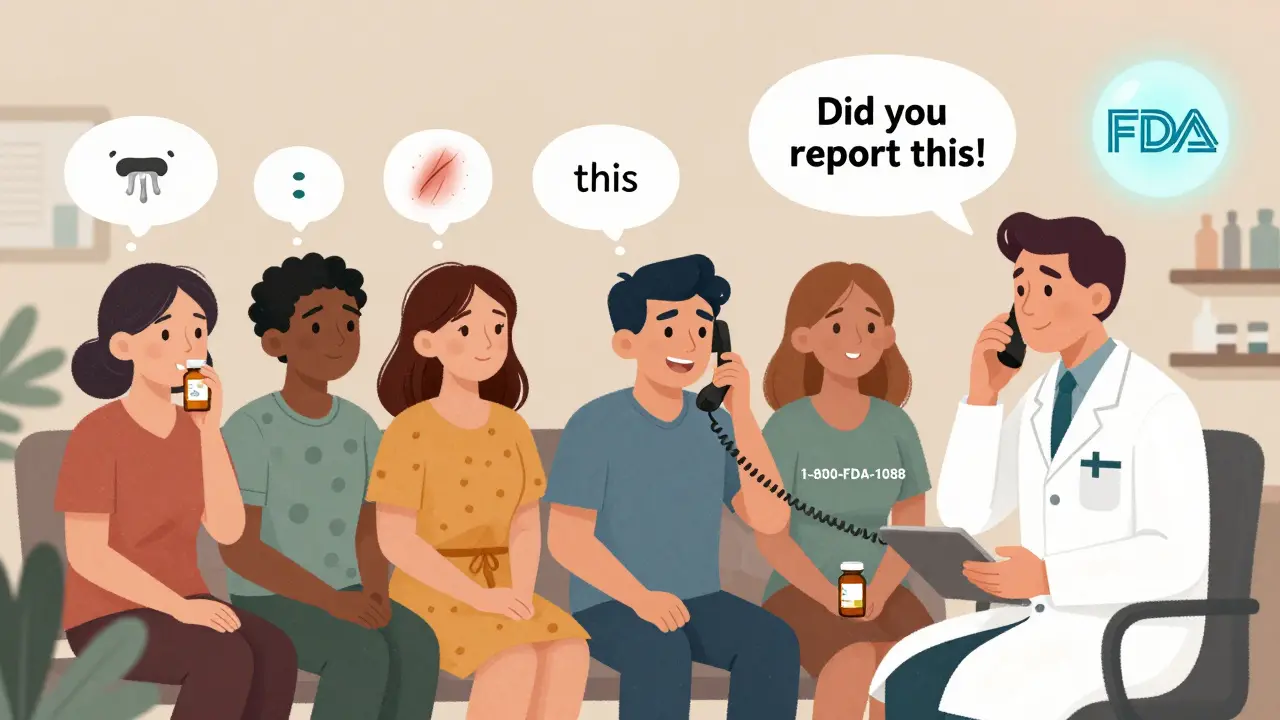

When a patient has a bad reaction to a generic drug, the system is supposed to catch it. But in practice, it often doesn’t. Even though generic drugs make up 90% of all prescriptions filled in the U.S., they account for far fewer serious adverse event (SAE) reports than brand-name drugs. This isn’t because generics are safer-it’s because the reporting system is broken.
What Counts as a Serious Adverse Event?
A serious adverse event isn’t just a rash or a headache. The FDA defines it as any reaction that’s life-threatening, causes hospitalization, leads to permanent disability, results in congenital defects, or requires medical intervention to prevent lasting harm. These include heart attacks, strokes, severe allergic reactions, liver failure, or suicidal behavior linked to medication use. It doesn’t matter if the drug is brand-name or generic. Under 21 CFR 312.64(b), any drug-no matter who made it-must be reported if it’s reasonably suspected of causing harm.But here’s the catch: the law says one thing. The data shows another. A 2018 NIH study of four widely used drugs-amlodipine, losartan, metoprolol, and simvastatin-found that even after generics entered the market and took over most prescriptions, brand-name manufacturers still submitted 68% of all serious adverse event reports. That’s not a glitch. It’s a systemic blind spot.
Who Is Supposed to Report?
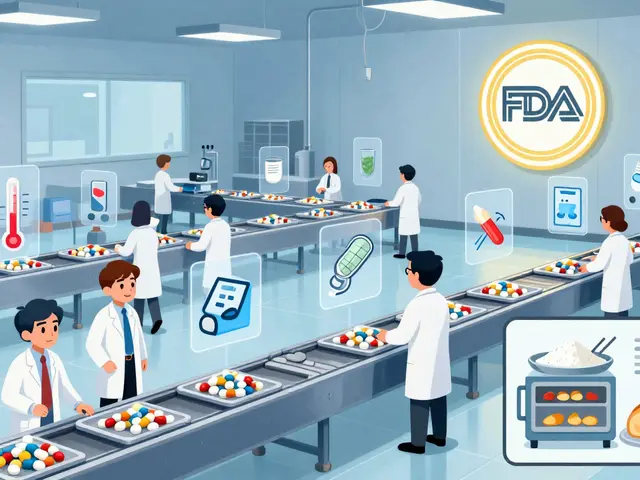
The responsibility falls on three groups: drug manufacturers, healthcare providers, and patients. But the system is weighted heavily toward brand-name companies.Generic drug manufacturers must report any serious and unexpected adverse reaction to the FDA within 15 calendar days of learning about it. They’re also required to keep records for 10 years. The same rules apply to brand-name makers. But here’s where it falls apart: most generic companies are small. Of the roughly 200 generic manufacturers in the U.S., only 42% have dedicated pharmacovigilance teams. The rest rely on outside contractors or do it part-time. Brand-name companies? Nearly all have full departments staffed with specialists.
Healthcare providers are supposed to report too. But when a patient comes in with a reaction to a generic levothyroxine or metformin, the pharmacist often doesn’t know which company made it. Labels are tiny. Packaging changes weekly. Pharmacies switch suppliers without telling anyone. A 2020 ISMP survey found that 68% of providers struggled to identify the generic manufacturer when filing a report-compared to just 12% for brand-name drugs.
The MedWatch Form: Why It’s Hard to Get Right
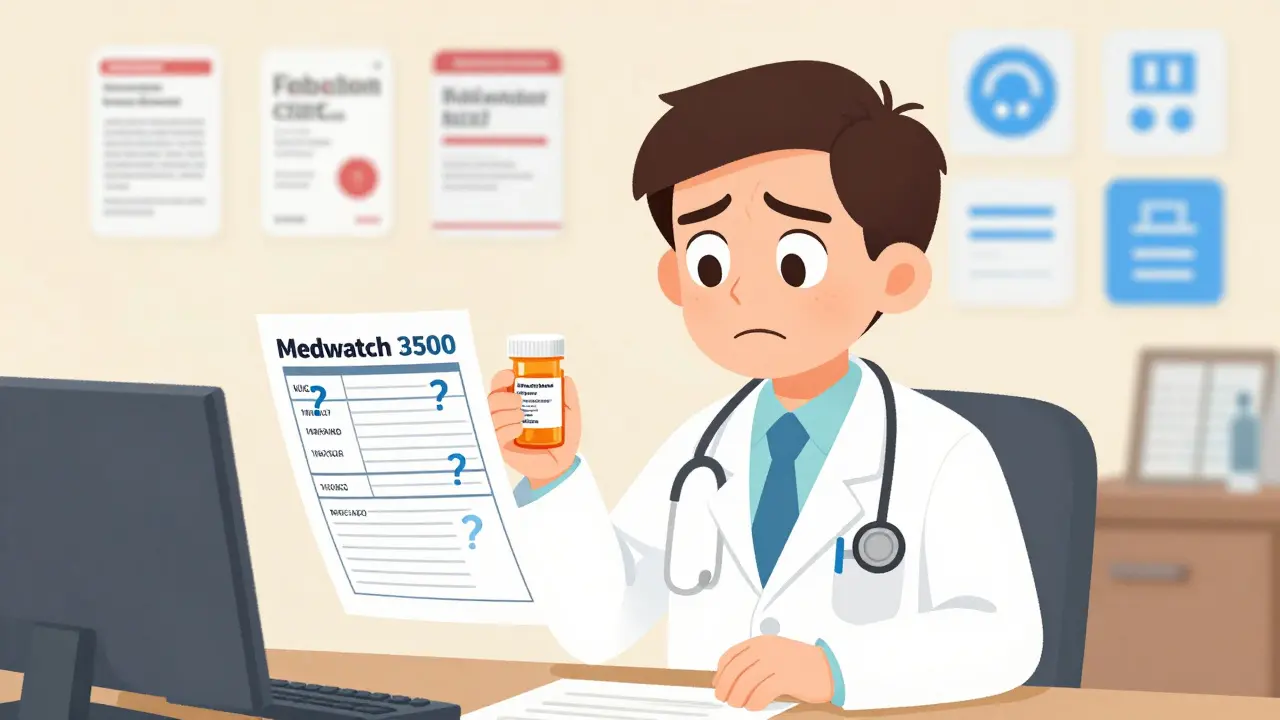
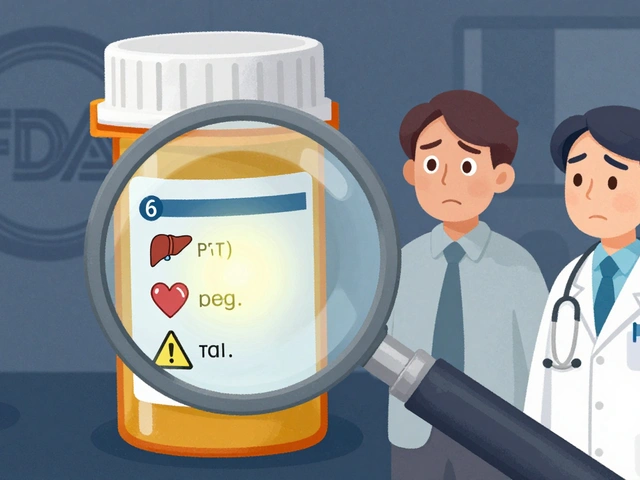
The FDA’s MedWatch Form 3500 is the official tool for reporting. It asks for the drug’s brand name, generic name, manufacturer, lot number, and NDC code. Sounds simple? It’s not.For brand-name drugs, the manufacturer is obvious. For generics? You might see “Metformin 500mg” on the bottle-but the label won’t say “Teva” or “Aurobindo” unless you squint at the fine print. Many patients don’t know. Many doctors don’t ask. And when reporters can’t find the manufacturer, they often default to the brand name just to get the form submitted. That distorts the data. Now the FDA thinks the brand drug is causing the reaction-even though the patient took a generic version.
A 2019 FDA usability study showed that 42% of healthcare providers abandoned reporting a generic drug reaction simply because they couldn’t figure out the manufacturer. That’s more than four in ten cases going unreported.
Why This Gap Matters
You might think: “So what? If the drug works, why does it matter who made it?” But subtle differences in fillers, coatings, or manufacturing processes can affect how a drug is absorbed-or trigger reactions in sensitive patients.Dr. Jerry Avorn from Harvard Medical School warned in JAMA Internal Medicine that “the current system fails to capture the complete safety profile of generic drugs.” He’s not alone. The FDA’s own 2018 Drug Safety Newsletter admitted it has “potential limitations” in detecting safety signals for generics. The European Medicines Agency echoed this concern in 2020, saying differences in reporting rates could “affect the completeness of safety data.”
And here’s the real danger: if a generic drug causes a rare but serious side effect-say, sudden kidney failure in elderly patients-it might never be detected because reports are scattered, incomplete, or misattributed. By the time the FDA notices, dozens or even hundreds of people may have been harmed.
What’s Being Done to Fix It?
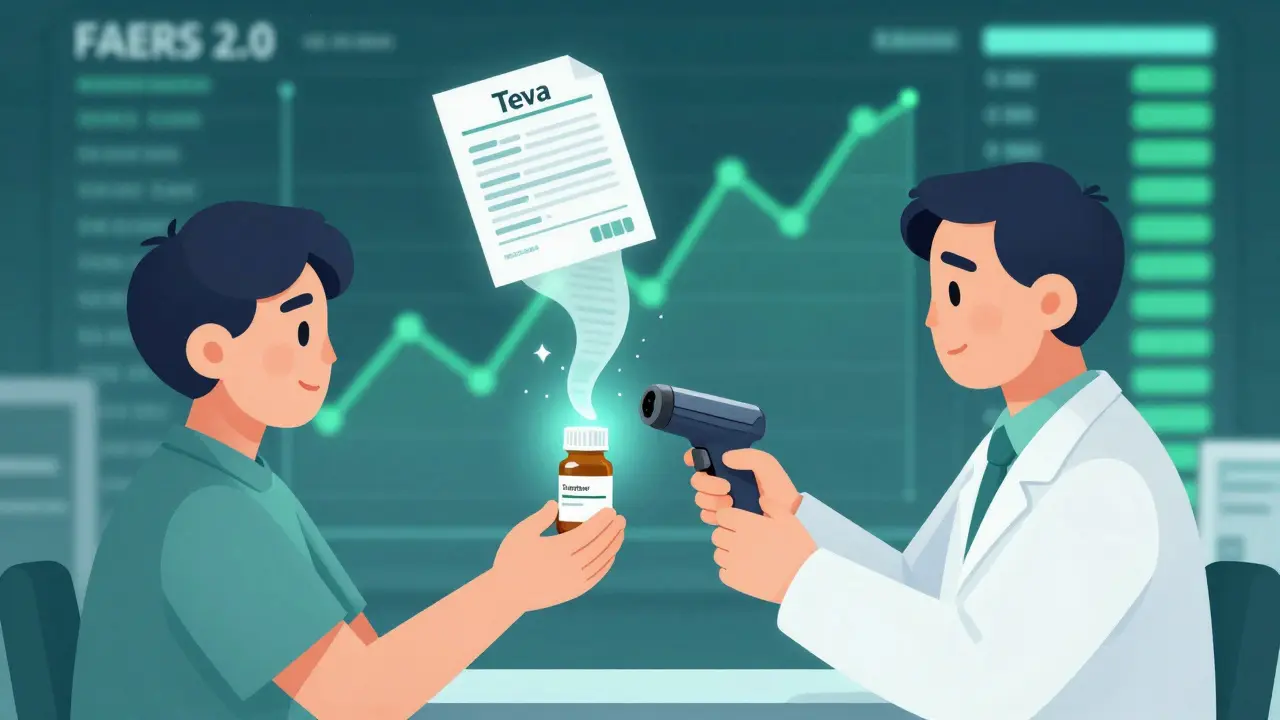
The FDA isn’t ignoring this. In 2023, they launched FAERS 2.0, a new system that tracks adverse events using NDC codes-unique barcodes assigned to each drug, manufacturer, and dosage. This lets them link a reaction directly to the exact generic product, not just the active ingredient.Also in 2023, the FDA released draft guidance asking pharmacies to print the manufacturer name on all prescription labels. It’s a small change, but it could cut reporting time in half. Pilot programs with major pharmacy chains are already showing promise: one project in 12 hospitals increased accurate reporting by 63% after using barcode scanners at the point of dispensing.
Meanwhile, the Generic Drug User Fee Amendments (GDUFA III), active from 2023 to 2027, is spending $15 million to improve post-market safety monitoring. Generic manufacturers are also starting to invest more: pharmacovigilance spending is projected to jump from $185 million in 2023 to $320 million by 2027.
What You Can Do: A Step-by-Step Guide
If you’re a healthcare provider and you see a serious reaction to a generic drug, here’s how to report it correctly:- Check the medication bottle. Look for the manufacturer name-it’s usually printed in small type near the NDC code.
- Use DailyMed. Go to the National Library of Medicine’s DailyMed website. Enter the NDC code from the bottle to find the exact manufacturer and product details.
- Fill out MedWatch Form 3500. Select “Generic Name” and type in the active ingredient. In the manufacturer field, enter the exact company name (e.g., “Teva Pharmaceuticals” not just “Teva”).
- Include the lot number. This helps track if a specific batch is problematic.
- Submit electronically. Use the FDA’s online MedWatch portal. Paper forms take longer and are more likely to get lost.
If you’re a patient and you experience a serious reaction:
- Keep the medication bottle.
- Call your doctor or pharmacist immediately.
- Ask them to report it-and remind them to note the manufacturer.
Don’t assume someone else will report it. In most cases, no one will.
The Bottom Line
Generic drugs save billions of dollars every year. They’re safe for most people. But safety isn’t just about active ingredients-it’s about the whole product. And right now, our system is failing to see the full picture.The gap in reporting isn’t due to negligence. It’s due to design. The system was built for brand-name drugs. It hasn’t kept up with the reality of a generic-dominated market. Until manufacturers, pharmacies, and regulators fix the labeling, tracking, and reporting process, we’re flying blind.
Accurate reporting isn’t paperwork. It’s protection. For patients. For providers. For the entire drug supply chain.
Do generic drugs cause more side effects than brand-name drugs?
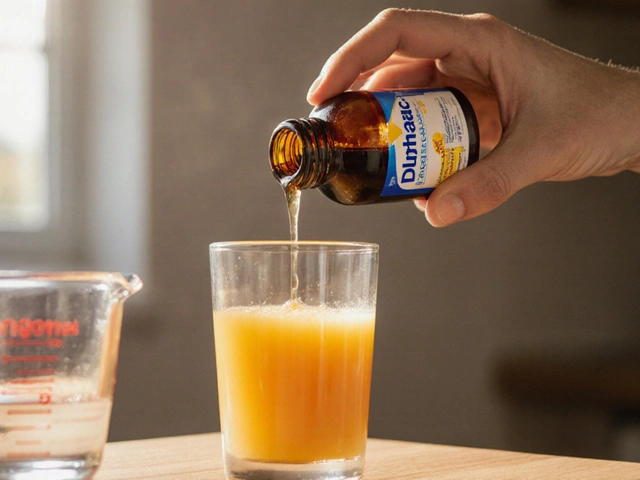
No, generic drugs are required by the FDA to have the same active ingredient, strength, dosage form, and bioavailability as their brand-name counterparts. That means they work the same way in the body. But minor differences in inactive ingredients-like fillers or coatings-can sometimes cause reactions in sensitive individuals. The issue isn’t that generics are less safe-it’s that we’re not collecting enough data to know when those differences matter.
Can I report a side effect if I don’t know the manufacturer?
Yes, you can still report it. Use the generic name and active ingredient. But if you can find the manufacturer name on the bottle or ask your pharmacist, include it. Without it, the FDA can’t link the reaction to the specific product. Reports without manufacturer info are still useful, but they’re less accurate and harder to analyze.
Why do brand-name companies report more than generic ones?
Brand-name companies have large, well-funded pharmacovigilance teams that monitor reactions 24/7. They also have direct relationships with doctors and patients. Generic manufacturers, especially smaller ones, often lack resources. Many don’t have staff trained in adverse event reporting. Some rely on third-party contractors who may not be responsive. This creates a huge imbalance in reporting volume-even though the legal requirement is the same.
Is the FDA doing anything to fix this?
Yes. The FDA launched FAERS 2.0 to track drugs by NDC code, not just by name. They’re also pushing pharmacies to print manufacturer names on labels. A pilot program with major pharmacy chains is testing automatic capture of manufacturer data at the point of dispensing. These changes could increase accurate reporting by over 50% in the next few years.
What should I do if I suspect a generic drug is causing a reaction?
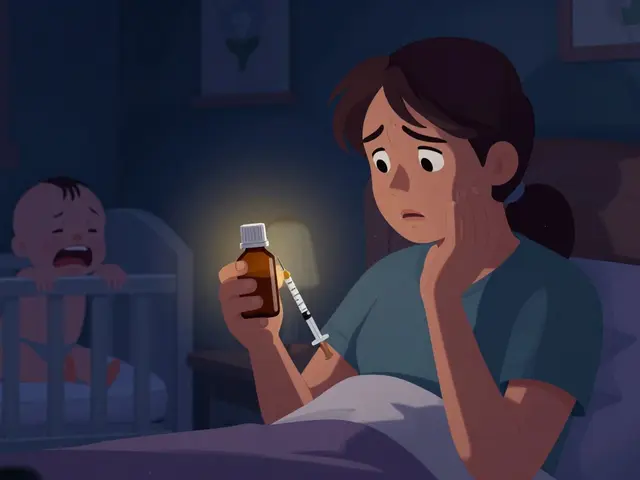
Don’t stop the medication without talking to your doctor. But do document everything: the date, symptoms, how long they lasted, and the manufacturer name from the bottle. Contact your pharmacist to confirm the product details. Then ask your doctor to file a MedWatch report. If they refuse or don’t know how, you can file it yourself on the FDA’s MedWatch website. Your report could help prevent harm to others.

12 Comments
Man, I’ve seen this play out with my aunt. She switched to generic metformin and started having crazy stomach cramps and dizziness. Doctor didn’t even blink until she showed him the bottle-turns out it was a different manufacturer. They switched her back and she was fine. Why the hell is the manufacturer name smaller than the expiration date? This isn’t rocket science.
People think generics are all the same, but if your body reacts to one batch and not another, that’s not placebo. That’s biology. We need labels that scream the maker’s name, not whisper it like a secret.
And if you’re a provider? Don’t just assume. Ask. Write it down. Report it. Someone’s life might depend on you not being lazy.
they told us generics are same but now you saying they are not really same how about the big pharma they own the fda and the whole system they want you to buy expensive brand name drugs thats why they made this mess so you dont notice the real problem its all about money not safety
While the systemic underreporting of adverse events related to generic pharmaceuticals is a matter of considerable public health concern, it is imperative that regulatory frameworks be aligned with the current market dynamics. The disparity in pharmacovigilance infrastructure between brand-name and generic manufacturers is not merely logistical-it is structural. A standardized, federally mandated labeling protocol, coupled with mandatory digital traceability via NDC codes at the point of dispensing, would constitute a necessary and proportionate intervention. The current system reflects an anachronism in an era of precision medicine.
so like... the FDA is basically letting pharmacies print tiny letters like they’re trying to hide who made the drug? and we’re supposed to be okay with this? i mean i get it, generics are cheaper-but if my liver starts screaming at me because some factory in Hyderabad used a different filler, i don’t care how much it saved me 3 bucks. this is a goddamn public health farce.
also who the hell designed medwatch? it’s like filling out a tax form while being chased by a bear.
Why are we even talking about this? Generic drugs are made overseas by companies that can’t even spell ‘quality control.’ If you want safety, buy American. Brand-name drugs are made here with real standards. Stop letting foreign labs cut corners and then blame the system when people get hurt. Fix the imports, not the forms.
Oh wow so now we’re supposed to be shocked that the system is rigged? Big Pharma’s been laughing at us for decades. They don’t care if you die as long as you don’t know which pill killed you. They don’t want you to know the difference between Teva and Aurobindo because then you’d start asking why one batch makes you feel like you’re being stabbed from the inside and another doesn’t.
And let’s not pretend this is about ‘accuracy.’ It’s about liability. If they admit generics have different side effects, they’ll get sued. So they bury it under bad labels and lazy doctors. This isn’t a glitch. It’s a feature.
truth is generics are fine until they’re not. the system is broken because we treat medicine like cereal. same box different brand same effect? no. body is not a machine. it remembers.
I work in a hospital. I’ve seen this. People come in with rashes, heart palpitations, all because they got a different generic. The nurses don’t even check the label. The pharmacists don’t care. The doctors are too busy. And the FDA? They’re too busy with their coffee breaks.
It’s not hard. Put the manufacturer on the front. Like, right there. In bold. No one’s asking for a billboard. Just don’t hide it like it’s contraband.
And stop pretending this is a ‘design flaw.’ It’s negligence. Pure and simple.
My mother took a generic version of her blood pressure med for years. One day, she had a near-syncopal episode. We traced it to a new batch. Manufacturer changed. No one told us. No one told her doctor. She was lucky.
I don’t blame the pharmacists-they’re overworked. I don’t blame the doctors-they’re drowning. But the system? It’s designed to fail. And the worst part is, nobody seems surprised anymore.
Just print the name. On the bottle. In big letters. That’s not hard. That’s basic.
My pharmacist just gave me a different generic last week and didn’t say a word. I didn’t even know until I checked the bottle. I’ve been on this med for 5 years. I didn’t think to look. Now I always check. Honestly? I think more people should do that. It’s the only way to protect yourself when the system won’t.
They say generics are safe. But I’ve had three different ones in six months. Each one made me feel like I was slowly dissolving from the inside. No one listens. No one cares. I just want to be believed. I’m not crazy. I’m just tired of being a guinea pig for corporate cost-cutting.
My body isn’t a spreadsheet. And my pain isn’t a data point.
so if a drug is made by a company that doesnt even have a website how are you supposed to report it? the system is built to protect big pharma not patients. we’re all just numbers to them. and the fda? they’re just the janitors cleaning up the mess after the party.