
Medication Effectiveness Calculator
How Your Sugar Intake Affects Medication
Based on clinical studies, your daily sugar intake directly impacts how well your diabetes medication works. See how your habits affect your treatment.
The American Diabetes Association recommends under 50g daily (under 25g for better medication effectiveness)
Your Medication Effectiveness
Medication Effectiveness: 80%
Medium Risk
Key Impacts
With 50g of daily sugar intake, your medication is working at 80% effectiveness.
Pro Tip
For every 25g of added sugar above the recommended 25g limit, your medication effectiveness drops by 5-8%. Try swapping sugary drinks for water or unsweetened tea.
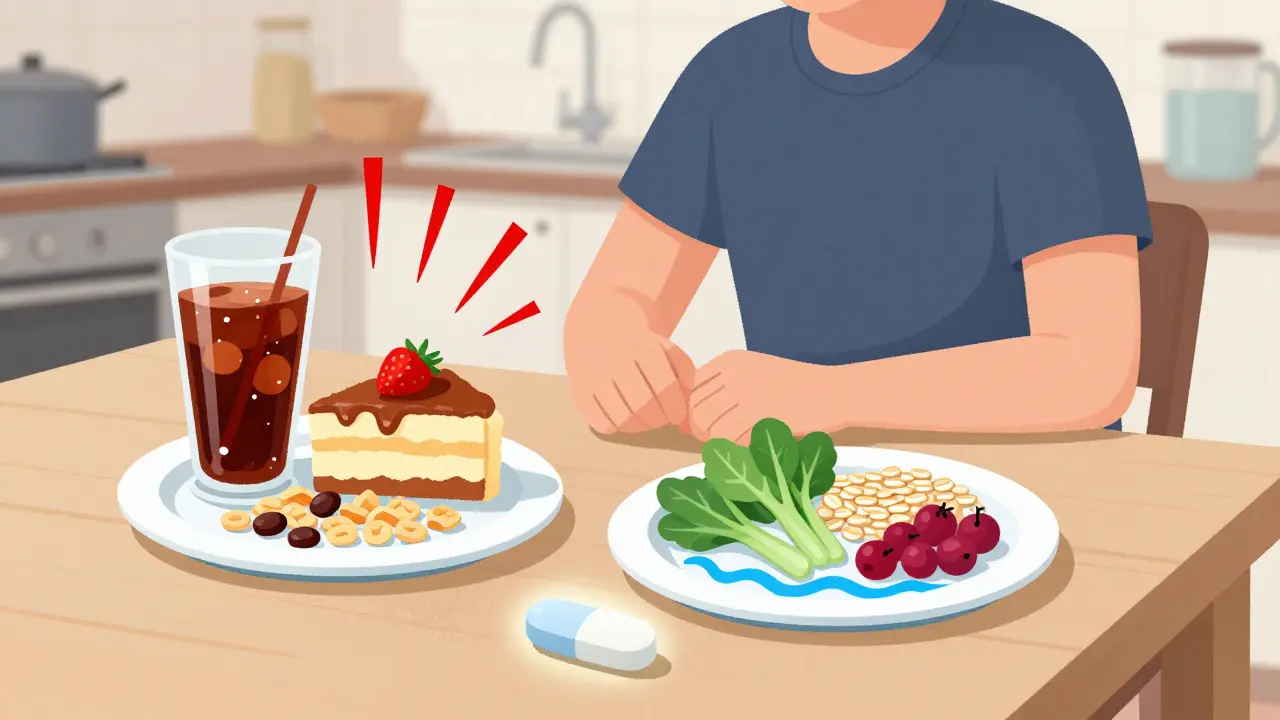
When you’re on diabetes medication, what you eat isn’t just about weight or energy-it directly shapes how well your drugs work. Many people think popping a pill is enough to manage blood sugar. But if your plate is full of sugary foods, your medication might as well be on vacation. The truth is simple: sugar intake and diabetes medications don’t just coexist-they interact, sometimes dangerously.
Why Sugar Undermines Your Medication
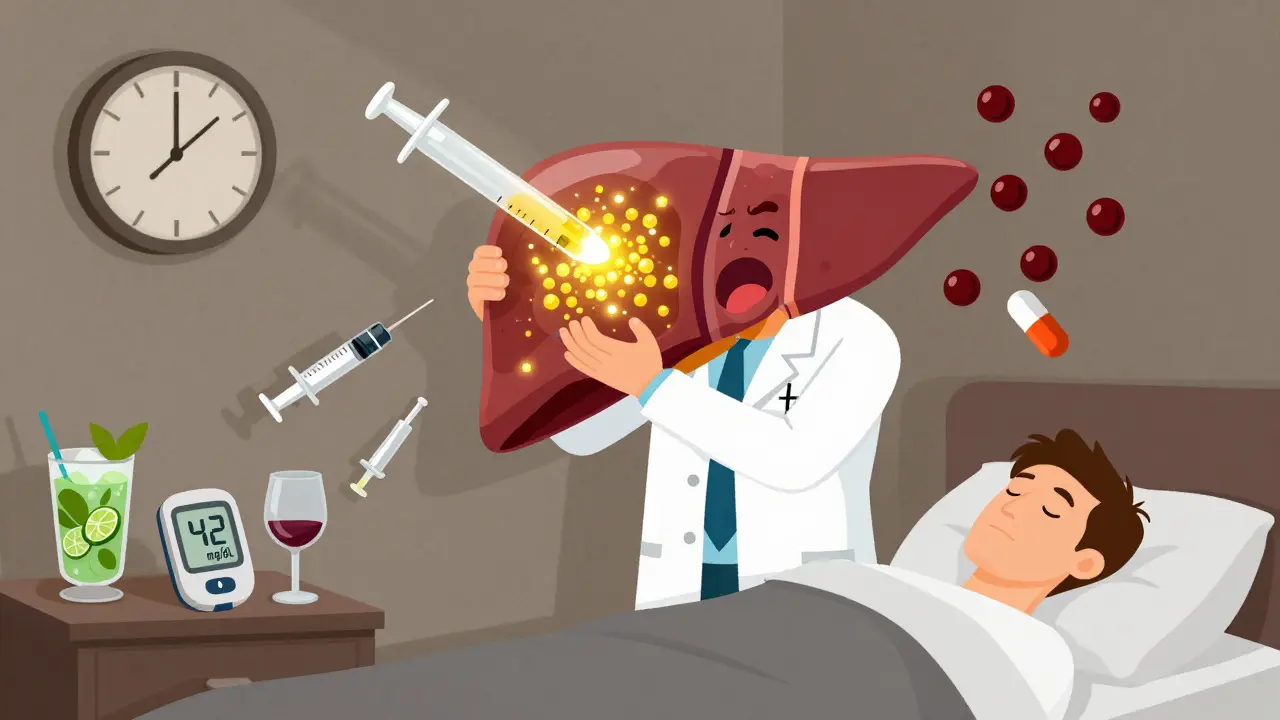
Metformin is the most common first-line drug for Type 2 diabetes. It works by slowing down how much sugar your liver releases and helping your muscles absorb glucose better. But it doesn’t create insulin. It doesn’t remove sugar from your blood like a vacuum. It just makes your body more efficient at handling what’s already there. If you drink a 16-ounce soda with 52 grams of sugar, you’re flooding your system with glucose faster than metformin can respond. A 2022 GoodRx analysis found that people consuming over 100 grams of added sugar daily needed 28% more metformin to reach the same blood sugar levels as those keeping added sugar under 25 grams. That’s not a small difference-it’s the difference between stable control and constant spikes. Other drugs like glyburide or repaglinide force your pancreas to pump out more insulin. That’s helpful-until you eat a big slice of cake. Suddenly, your body is flooded with insulin when it shouldn’t be, and your blood sugar crashes. Hypoglycemia isn’t just dizziness or shakiness. It can lead to seizures, loss of consciousness, or even emergency hospital visits. The Cleveland Clinic reports patients with inconsistent sugar intake experience 3 to 5 hypoglycemic episodes per year. Those with erratic diets? Up to 20.The Real Culprits: Hidden Sugars in Everyday Foods
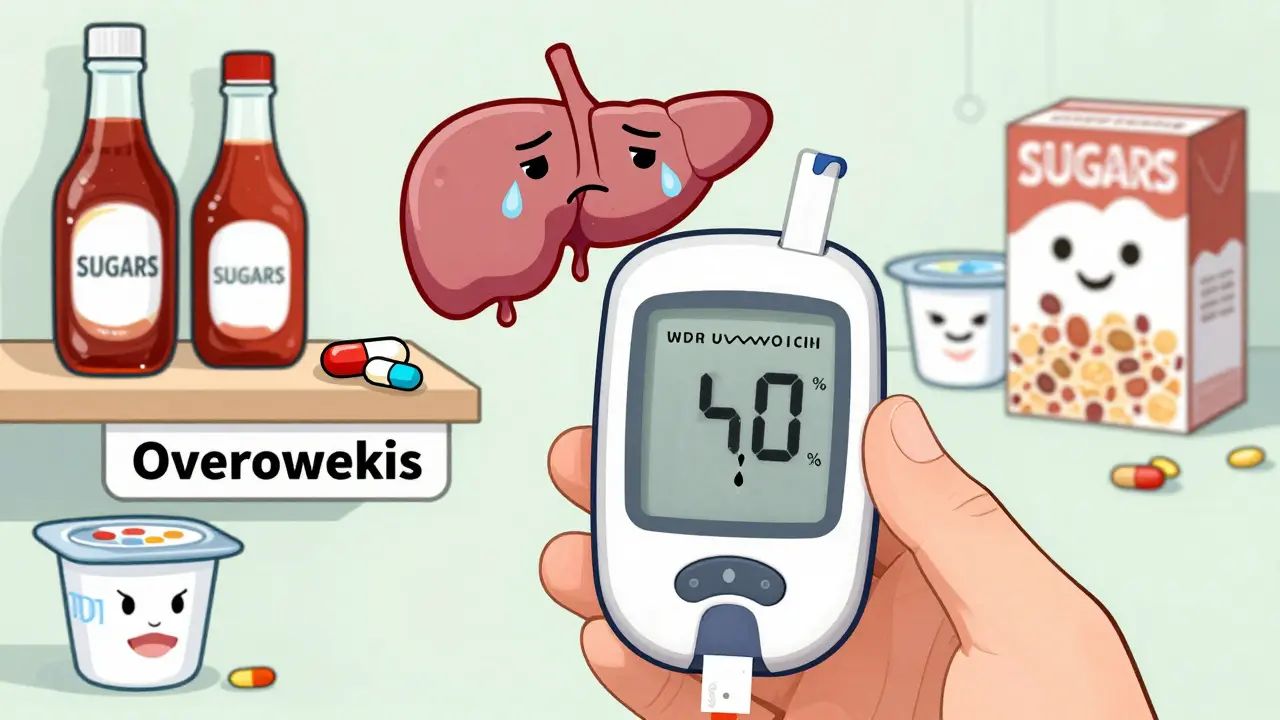
You don’t need to avoid fruit to control sugar. But you do need to know where the sugar hides. - Sugary drinks: A single can of soda has 39 grams of sugar. Even 100% fruit juice isn’t safe-apple juice has nearly as much sugar as cola, without the fiber to slow absorption. - Flavored yogurts: A small cup can contain 20+ grams of added sugar. Plain yogurt with a handful of berries is the better choice. - Breakfast cereals: Many marketed as “healthy” have more sugar than cookies. Check labels: anything with more than 8 grams of added sugar per serving is a red flag. - Condiments: Ketchup, BBQ sauce, salad dressings-all loaded with sugar. A tablespoon of ketchup has 4 grams. That’s two teaspoons you didn’t even know you were eating. - Processed snacks: Granola bars, protein bars, crackers-even ones labeled “low-fat”-often replace fat with sugar to keep them tasty. The American Diabetes Association says added sugar should be under 10% of your daily calories. For most people, that’s about 50 grams. But if you’re on metformin or sulfonylureas, aim for under 25 grams. Why? Because your body’s ability to handle sugar is already compromised. Extra sugar doesn’t just raise blood glucose-it makes your medication less effective.Low-Glycemic Foods: Your Secret Weapon
Not all carbs are equal. The glycemic index (GI) measures how fast a food raises blood sugar. High-GI foods (like white bread, rice, or potatoes) spike glucose fast. Low-GI foods (like beans, lentils, oats, and most non-starchy vegetables) release sugar slowly. A 2025 review in the International Journal of Molecular Sciences showed that switching to low-GI foods improved insulin sensitivity by 25-40%. That means your metformin works better. Your blood sugar stays steadier. Your risk of spikes drops by 35-50 mg/dL after meals. Try this swap:- White rice → Brown rice or quinoa
- White bread → Whole grain or sourdough
- Potatoes → Sweet potatoes (in moderation)
- Sugary cereal → Oatmeal with chia seeds and cinnamon
What About Newer Diabetes Drugs?
Newer medications like SGLT2 inhibitors (canagliflozin, dapagliflozin) and GLP-1 agonists (semaglutide, dulaglutide) work differently. SGLT2 drugs make your kidneys flush out extra sugar through urine. GLP-1 drugs slow digestion, reduce appetite, and boost insulin only when blood sugar is high. These drugs are more forgiving with sugar intake. A 2025 review found SGLT2 inhibitors kept 85-90% of their effectiveness even when patients ate more sugar. That sounds great-until you realize: they’re not a free pass. The ADA’s 2023 guidelines are clear: no diabetes drug eliminates the need for dietary control. Even the newest agents lose 15-20% of their power when patients consume over 100 grams of added sugar daily. And if you’re on GLP-1 drugs, high sugar can trigger nausea, vomiting, or bloating-side effects that make sticking to the diet harder, not easier.Medications That Make Sugar Worse
It’s not just about what you take for diabetes. Other common prescriptions can sabotage your efforts. - Prednisolone (a steroid): Can spike blood sugar by 50-100 mg/dL within 24 hours. If you’re on this for asthma or arthritis, you’ll need tighter sugar control and more frequent checks. - Furosemide (a water pill): Can interfere with metformin absorption in 32% of patients, leading to unpredictable glucose swings. - Hormonal birth control: Alters how your body uses glucose in 27% of users, sometimes requiring medication adjustments. If you’re on any of these, talk to your doctor. Sugar management isn’t optional-it’s part of your medication plan.Real Results: When Diet and Drugs Work Together
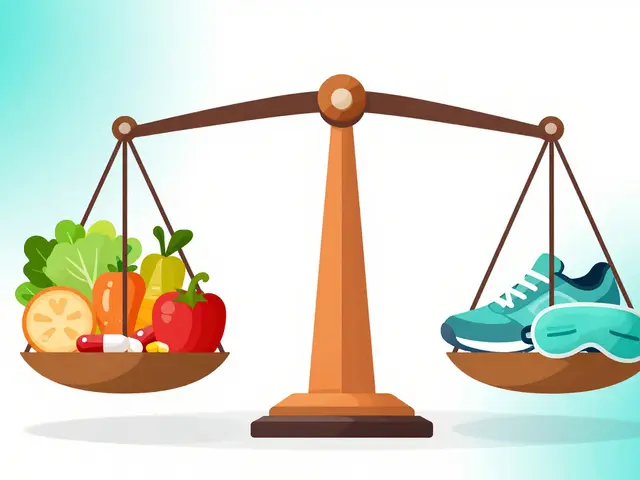
A 2024 study by the American Association of Clinical Endocrinologists found something powerful: patients who got nutrition counseling along with their diabetes meds hit their target HbA1c levels in 6.2 months. Those who only got meds? 11.7 months. That’s nearly five months faster. The Cleveland Clinic’s data shows even more: patients who completed a 12-week nutrition program needed 63% fewer emergency visits for blood sugar emergencies. They also needed fewer medication changes-just 1.2 adjustments on average, compared to 3.7 for those who didn’t change their diet. And it’s not just about numbers. People report feeling more energy, fewer crashes, and less brain fog. That’s because stable blood sugar isn’t just good for your pancreas-it’s good for your brain, your mood, and your sleep.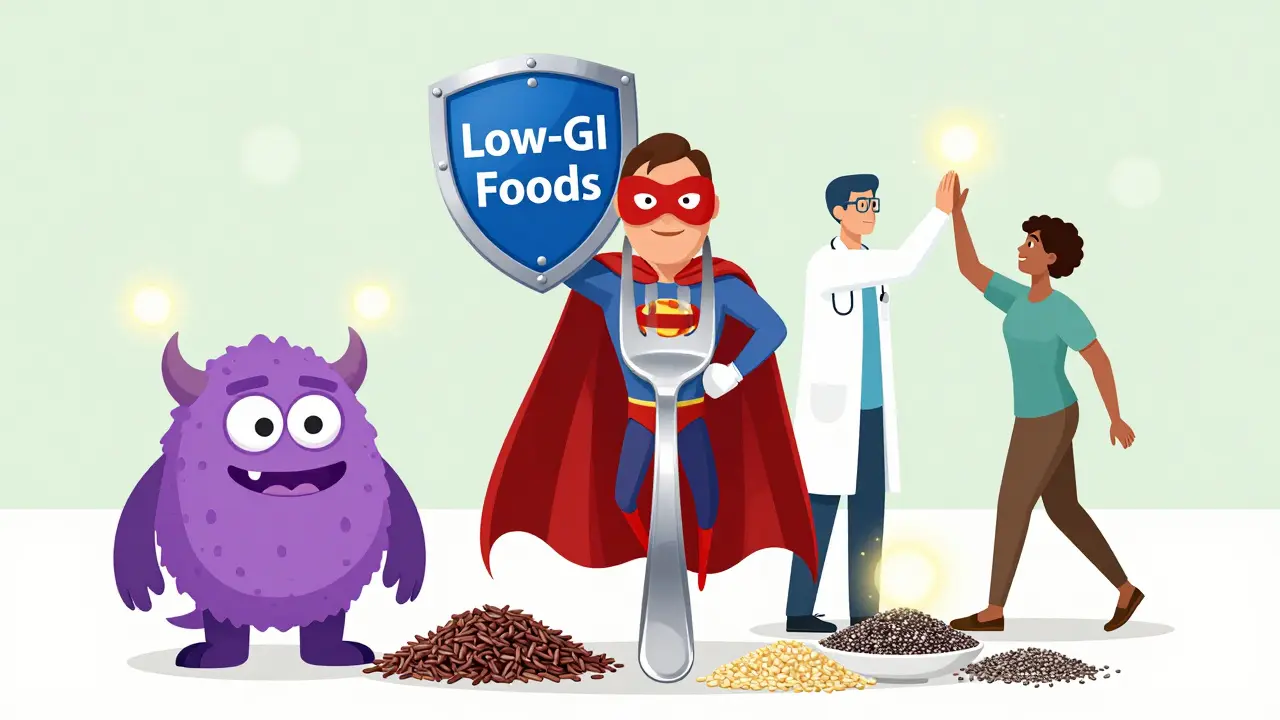
What You Can Do Today
You don’t need to overhaul your life. Start small:- Swap one sugary drink a day for water, unsweetened tea, or sparkling water with lemon.
- Check labels on yogurt, sauces, and cereals. Avoid anything with more than 8g added sugar per serving.
- Choose whole grains over refined ones. Look for “100% whole grain” on the package.
- Plan your meals. If you’re on sulfonylureas, aim for consistent carbs at each meal-no more than 15g variation.
- Ask your doctor for a referral to a registered dietitian. Only 39% of providers do this routinely. Don’t wait-they’re your best ally.
What If You Slip Up?
Everyone has a bad day. One sugary meal won’t ruin your progress. But if it becomes a pattern, your medication stops working as well. Use a continuous glucose monitor (CGM) if you can. Real-time data shows exactly how your body reacts to food. You’ll see how a banana affects you versus a slice of whole grain toast. That’s personal, powerful insight. If you’re on insulin or sulfonylureas, check your blood sugar 2-3 hours after a high-sugar meal. If it’s above 180 mg/dL, you’re in hyperglycemia territory. Don’t panic. Just adjust your next meal. Skip the dessert. Go for a walk. Drink water.Final Thought: Sugar Isn’t the Enemy-Neglect Is
You don’t need to be perfect. But you do need to be consistent. Diabetes medication isn’t a cure. It’s a tool. And like any tool, it works best when you use it right. Sugar intake isn’t a side note in your treatment plan. It’s the foundation. Ignore it, and your meds won’t work as they should. Pay attention, and you’ll see results faster, feel better, and avoid complications down the road.What you eat every day is the most powerful part of your diabetes treatment. Not the pill. Not the injection. The fork.
Can I still eat fruit if I have diabetes and take metformin?
Yes, but choose wisely. Berries, apples, pears, and citrus fruits have lower sugar and more fiber, which slows absorption. Avoid mangoes, grapes, and dried fruit, which can spike blood sugar quickly. Stick to one small serving per meal, and pair it with protein or fat (like nuts or yogurt) to blunt the rise.
Does alcohol affect diabetes medications?
Yes, especially sweet cocktails. A margarita or piña colada can have over 30 grams of sugar and alcohol, which can cause dangerous drops in blood sugar hours later. If you drink, choose dry wine, light beer, or spirits with soda water and lime. Always eat food with alcohol, and check your blood sugar before bed.
Is it safe to take metformin with high sugar intake?
It’s not just unsafe-it’s counterproductive. High sugar intake reduces metformin’s effectiveness by up to 40%, according to clinical studies. It also increases the risk of lactic acidosis in people with kidney issues. Even if your blood sugar seems okay, your body is working harder, and your medication isn’t doing its job.
Why do I need to eat the same amount of carbs at each meal?
If you’re on sulfonylureas or meglitinides, your body gets a fixed dose of insulin at each meal. If you eat 15 grams of carbs for breakfast and 75 grams for lunch, you’ll have low blood sugar after breakfast and high blood sugar after lunch. Consistency keeps your insulin and sugar levels balanced, preventing dangerous swings.
How long does it take to see results from changing my diet with medication?
Most people see improvements in blood sugar within 2-4 weeks. HbA1c levels-your 3-month average-typically drop by 0.5-1.5% within 3 months if you combine diet changes with meds. The faster you stick to it, the faster your body responds.
Should I stop my medication if I eat too much sugar?
Never stop or change your medication without talking to your doctor. Missing doses or stopping cold can cause dangerous spikes in blood sugar. Instead, focus on adjusting your next meal. Talk to your provider about whether your medication needs tweaking based on your eating habits.
Can I rely on my glucose monitor instead of watching what I eat?
A glucose monitor tells you what’s happening, but not why. If you keep eating sugar and just adjust your meds based on readings, you’re treating symptoms, not the cause. The goal isn’t just to lower numbers-it’s to reduce stress on your body, prevent long-term damage, and make your meds work better with less effort.



13 Comments
Wow, this is so spot-on-I’ve been on metformin for 5 years, and the second I cut out sugary yogurt and switched to plain + berries, my fasting glucose dropped 30 points. It’s not magic; it’s math. Sugar floods the system; metformin can’t keep up. No pill replaces discipline.
The pharmacokinetic implications of dietary glycemic load on hepatic gluconeogenesis suppression are grossly underappreciated in primary care. Metformin’s AMPK-mediated inhibition of mitochondrial complex I is rendered statistically insignificant when confronted with acute fructose overload from fruit juices-particularly in insulin-resistant phenotypes. The ADA’s 10% threshold is a political compromise, not a physiological ceiling. We need stricter, biomarker-driven guidelines.
I was skeptical at first, but after switching to low-GI oats with chia and cinnamon instead of sugary cereal, I stopped having those 3 p.m. crashes. My energy’s steady, my mood’s better, and my A1c dropped from 7.8 to 6.4 in 10 weeks. You don’t need to be perfect-just consistent. Small swaps, huge results. You got this!
It is, however, important to note that the cited 2022 GoodRx analysis is not peer-reviewed, and its methodology relies on self-reported dietary data, which is subject to significant recall bias. Furthermore, the 28% increase in metformin dosage is correlational, not causal, and fails to account for confounding variables such as physical activity, sleep quality, and concurrent medication use. One must exercise caution before drawing definitive conclusions.
Okay, I just had to say-I used to think ‘low sugar’ meant no candy. But then I saw the ketchup label… 4 grams?! In ONE tablespoon?! I cried. I literally cried. And then I made my own with tomato, vinegar, and cinnamon. Now I feel like a food wizard. You’re not failing-you’re just unaware. Knowledge is power. And also… ketchup is evil.
Canada’s been doing this right for decades. We don’t sugarcoat our health advice here-literally. We don’t let corporations label poison as ‘healthy granola.’ You think your ‘low-fat’ cereal is helping? It’s just sugar with a side of marketing. Your body’s not a lab rat for Big Food. Stop being a sucker. Eat real food. Or keep paying the price.
What if the real problem isn’t sugar-but the illusion of control? We treat diabetes like a math problem: X grams of sugar, Y units of insulin. But the body isn’t a calculator. It’s a living, grieving, stressed, sleep-deprived system. Maybe the medication isn’t failing… maybe we’re asking it to fix a soul-deep exhaustion that no pill can touch.
THIS IS WHY I HATE DOCTORS THEY NEVER TELL YOU ABOUT THE KETCHUP AND THEN YOU GET A HYPOLYCEMIC SEIZURE AND THEY BLAME YOU FOR NOT FOLLOWING THE DIET BUT THEY NEVER SAID KETCHUP WAS A TIME BOMB WHAT EVEN IS MEDICINE ANYMORE
bro i switched to almond milk and thought i was doing great until i checked the label-7g sugar in 1 cup. i was so mad. i started boiling my own oats with cinnamon and a sprinkle of stevia. my sugar’s been stable for 2 months. also, i walk 20 mins after dinner. no fancy stuff. just consistency. you can do it. i’m not perfect but i’m trying.
I’m from the Midwest. Used to eat Pop-Tarts for breakfast and call it ‘fuel.’ Now I eat eggs and spinach. My grandma says I’ve turned into a health nut. I say I turned into someone who doesn’t pass out at 3 p.m. Small wins, man. Keep going.
This post is a masterclass in patient-centered care. The emphasis on consistency over perfection, the recognition of hidden sugars, and the validation of emotional struggle-it’s rare to see medical information delivered with such compassion and precision. Thank you for acknowledging that this isn’t just about glucose numbers. It’s about dignity, autonomy, and reclaiming daily life.
The interaction between furosemide and metformin is underrecognized in primary care. I’ve seen patients with unexplained glucose variability-only to discover they were prescribed a loop diuretic for edema. The renal clearance interference is real. Always review polypharmacy. A simple med change can undo months of dietary progress.
Have you considered that the entire diabetes-industrial complex is designed to keep you dependent? Sugar isn’t the enemy-it’s the distraction. The real agenda? Sell you more pills, more monitors, more ‘special’ foods. The truth? Eat whole plants. Move daily. Sleep well. That’s it. Everything else is profit-driven noise. The system wants you confused. Don’t be.