
Antidepressant Safety in Pregnancy Calculator
This tool helps you understand the safety profile of different antidepressants during pregnancy based on the latest research. Select your medication to see the specific risks and benefits.
Please select a medication to see safety information.
What the Research Shows
The safety data comes from multiple large studies including the 2022 Norwegian study tracking 44,000 children and the 2024 review of over 5 million pregnancies. Data is based on the latest medical consensus from organizations like ACOG and SMFM.
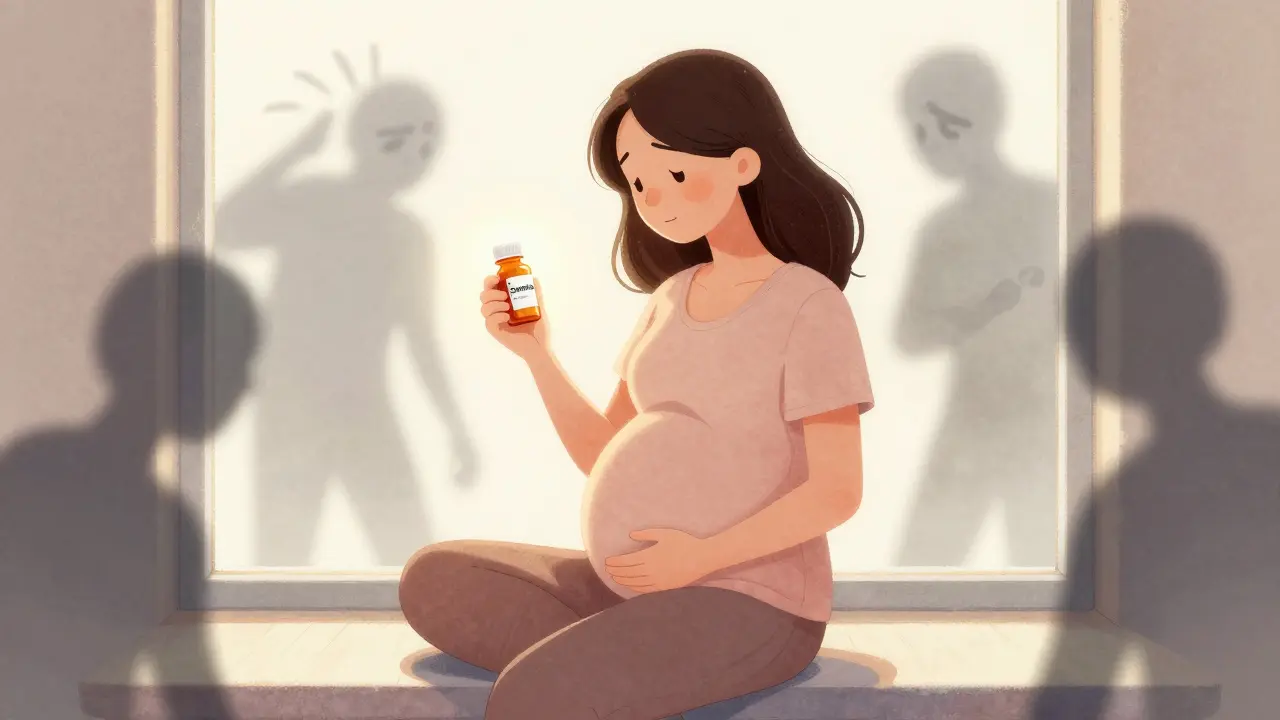
When you're pregnant and struggling with depression, the choice to take an antidepressant isn't just about managing your mood-it's about protecting your life and your baby's. Many women feel torn: they want to feel better, but they're terrified of harming their unborn child. The truth is more nuanced than fear-based headlines suggest. Antidepressants during pregnancy are not a simple yes-or-no decision. They’re a calculated risk-benefit calculation, and the latest science shows that for many, the benefits far outweigh the risks.
Depression in Pregnancy Is Common-and Dangerous
One in seven pregnant people in the U.S. experiences major depression. That’s not rare. It’s standard. And untreated, it’s deadly. Depression during pregnancy doesn’t just mean feeling sad. It means skipping prenatal appointments, not eating well, withdrawing from loved ones, and in severe cases, thinking about ending your life. A 2024 study of nearly a million women found that untreated depression triples the risk of suicidal behavior. That’s not a small number. That’s a public health crisis. The risks to the baby are real too. Women with untreated depression are 40% more likely to have a preterm birth, 30% more likely to have a baby with low birth weight, and 25% more likely to develop preeclampsia. They’re also half as likely to attend all their doctor visits. This isn’t about laziness or willpower. This is about brain chemistry. Depression hijacks motivation, energy, and the ability to care for yourself-even when you’re carrying a life inside you.What Antidepressants Are Used-and Which Ones Are Safer?
Not all antidepressants are created equal. The most commonly prescribed during pregnancy are SSRIs-selective serotonin reuptake inhibitors. These include sertraline (Zoloft), citalopram (Celexa), escitalopram (Lexapro), and fluoxetine (Prozac). Among these, sertraline is the go-to first choice. Why? Because it’s been studied more than any other drug in pregnancy, and the data consistently shows it has the best safety profile. Sertraline doesn’t increase the risk of birth defects, doesn’t stunt fetal growth, and doesn’t affect long-term brain development in children up to age five. A 2022 study tracking 44,000 children in Norway found no difference in IQ, language skills, or behavior between kids exposed to sertraline in utero and those who weren’t. Citalopram and escitalopram are also considered safe. Fluoxetine is effective but carries a slightly higher risk of a rare condition called persistent pulmonary hypertension of the newborn (PPHN)-about 5 to 6 cases per 1,000 births compared to 2 to 3 in unexposed babies. That’s still very rare, but it’s why doctors often choose sertraline over fluoxetine when starting treatment. The one SSRI to avoid? Paroxetine (Paxil). Multiple studies show it’s linked to a 1.5 to 2 times higher risk of heart defects in babies. If you’re on paroxetine and planning pregnancy-or just found out you’re pregnant-talk to your doctor about switching. Don’t stop cold. Switch.What About Birth Defects? The Data Is Clearer Than You Think
Early studies scared a lot of people. They said SSRIs caused birth defects. But those studies didn’t account for one big thing: the depression itself. A 2018 meta-analysis of 28 high-quality studies found that when researchers compared women taking SSRIs to women who didn’t take medication but had depression, the risk of major birth defects disappeared. The odds ratio dropped from 1.25 to 1.04-meaning no real increase in risk. The same pattern showed up in a 2024 review of over 5 million pregnancies. The initial spike in miscarriage risk? It vanished when they compared women with depression who took medication to women with depression who didn’t. The depression, not the drug, was the real culprit. The Society for Maternal-Fetal Medicine (SMFM) put it bluntly in July 2025: “The available data consistently show that SSRI use during pregnancy is not associated with congenital anomalies, fetal growth problems, or long-term developmental problems.”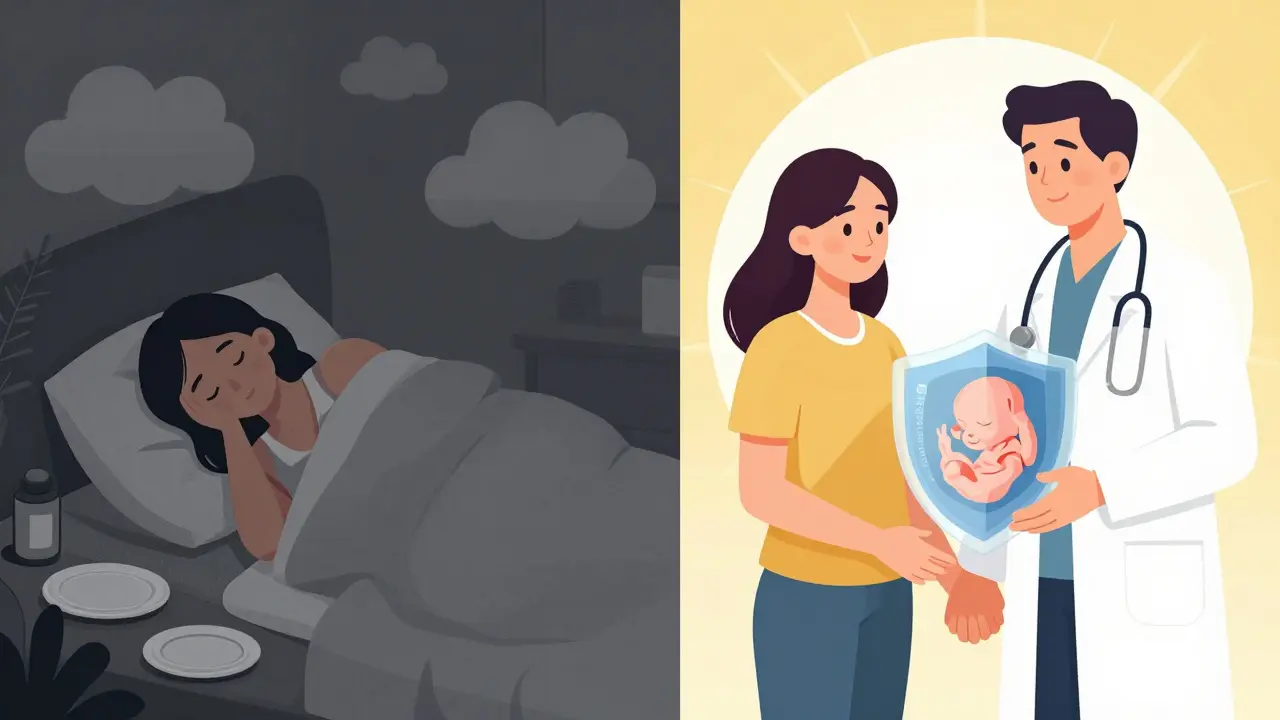
Neonatal Adaptation Syndrome: Real, But Temporary
Yes, some babies exposed to SSRIs in the third trimester have a hard time right after birth. About 30% may show signs like jitteriness, fast breathing, trouble feeding, or mild irritability. This is called neonatal adaptation syndrome (NAS), or sometimes PNAS (neonatal adaptation syndrome). It’s not dangerous. It’s not permanent. It doesn’t cause brain damage. It doesn’t mean your baby will have lifelong issues. These symptoms usually go away within a few days to two weeks. Most babies just need extra monitoring in the hospital and extra cuddles at home. Doctors don’t stop SSRIs to avoid this. Why? Because the symptoms are mild and short-lived. The alternative-untreated depression-is far worse.What Happens If You Stop Taking Your Medication?
This is where things get dangerous. A 2023 study from ACOG found that 68% of pregnant women who stopped their antidepressants relapsed into depression. That’s nearly 7 out of 10. Compare that to just 26% of women who kept taking their meds. A 2025 study in JAMA Network Open showed something even more troubling: antidepressant prescriptions for pregnant women dropped by 50% compared to the year before pregnancy. But therapy visits didn’t go up. Not even a little. So where did those women turn? Silence. Isolation. Suffering. Stopping cold can also cause withdrawal symptoms-nausea, dizziness, brain zaps, anxiety. That’s not just uncomfortable. It’s destabilizing. And when your mental health crashes during pregnancy, your baby pays the price.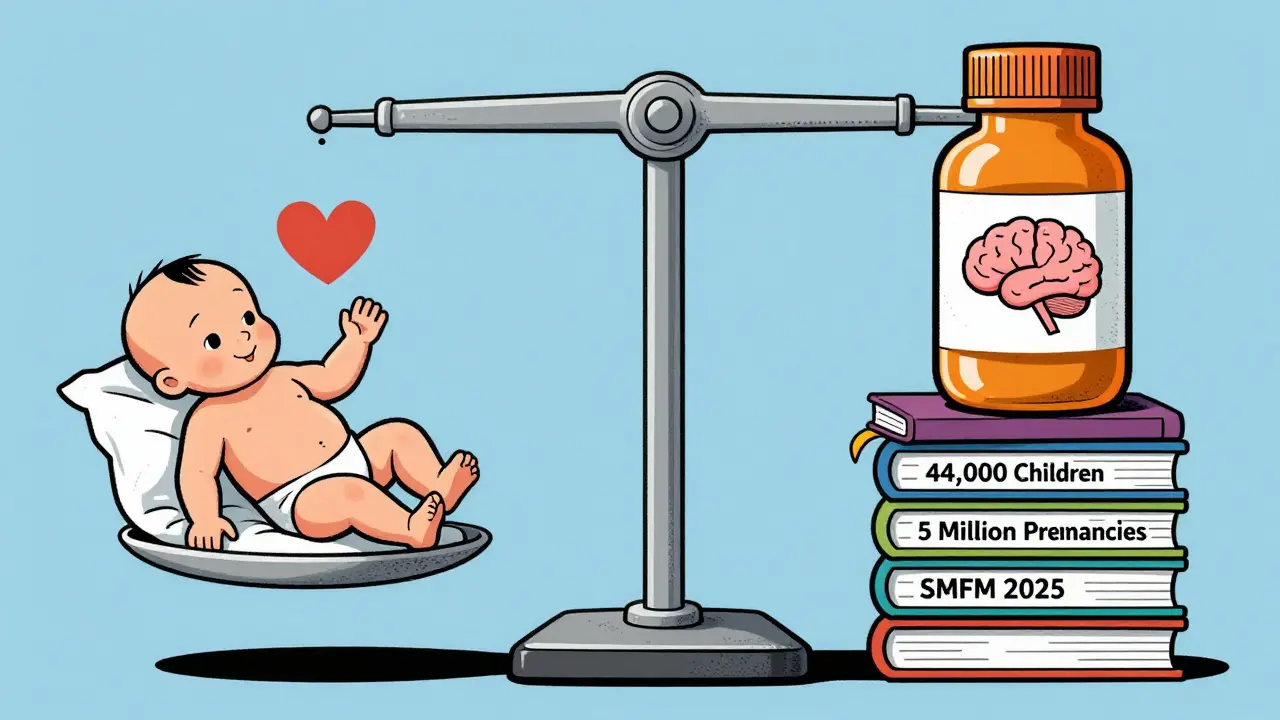
What About the FDA Panel Controversy?
In July 2025, an FDA expert panel released a report that made headlines: “SSRIs may be risky in pregnancy.” But here’s what the media didn’t tell you: only one of the ten panelists had direct experience treating pregnant women with depression. The rest were pharmacologists and statisticians-not clinicians. ACOG’s president called the panel “alarmingly unbalanced.” He said their report would “incite fear and cause patients to come to false conclusions that could prevent them from getting the treatment they need.” The American College of Obstetricians and Gynecologists, the Society for Maternal-Fetal Medicine, and InfantRisk all issued strong rebuttals. They pointed to the same data: untreated depression kills. More women die from mental health conditions during pregnancy than from bleeding, high blood pressure, or infection. In the U.S. between 2017 and 2019, 23.4% of pregnancy-related deaths were due to mental health causes.What Should You Do?
If you’re pregnant and taking antidepressants:- Don’t stop on your own. Abruptly stopping raises your relapse risk to 68%. Talk to your doctor first.
- If you’re on paroxetine, switch. Talk to your psychiatrist about switching to sertraline or citalopram before or early in pregnancy.
- Keep taking your medication. Especially if it’s working. The risks of stopping are greater than the risks of continuing.
- Work with both your OB and your psychiatrist. They need to talk to each other. Coordinated care saves lives.
- Combine meds with therapy. Cognitive behavioral therapy (CBT) is proven to help depression in pregnancy. It’s not a replacement for medication-but it’s a powerful partner.
- Ask for help. Depression is not a weakness. It’s a medical condition.
- Start with therapy. CBT, interpersonal therapy, or support groups can help mild to moderate depression.
- Consider medication if therapy isn’t enough. Sertraline is safe, effective, and widely recommended.
The Bottom Line
You’re not choosing between a healthy baby and a healthy mom. You’re choosing between a healthy mom and a healthy baby. And the science is clear: treating depression during pregnancy makes both outcomes better. Sertraline is the safest, most studied option. Paroxetine is the one to avoid. Stopping your meds increases your risk of relapse, preterm birth, and even death. The real danger isn’t the pill. It’s the silence. The stigma. The fear that keeps women from getting the care they need. Your mental health matters. Your life matters. And your baby’s future depends on you being well.Are antidepressants safe during pregnancy?
Yes, for most women, antidepressants-especially sertraline and citalopram-are safe during pregnancy. Large, high-quality studies show no increased risk of birth defects, growth problems, or long-term developmental issues. The biggest risk comes from untreated depression, which can lead to preterm birth, low birth weight, and even maternal death.
Which antidepressant is safest in pregnancy?
Sertraline (Zoloft) is the most recommended SSRI during pregnancy. It has the most extensive safety data, shows no increased risk of birth defects, and is less likely to cause neonatal adaptation syndrome compared to other SSRIs. Citalopram and escitalopram are also good options. Paroxetine (Paxil) should be avoided due to higher risk of heart defects.
Can antidepressants cause miscarriage?
Early studies suggested a link, but newer research that controls for depression itself shows no real increase in miscarriage risk from antidepressants. The increased risk seen in some studies is tied to the underlying mental health condition-not the medication. Women with depression who don’t take medication still face higher miscarriage rates than those who do.
Will my baby have withdrawal symptoms if I take antidepressants?
About 30% of babies exposed to SSRIs in the third trimester may show temporary symptoms like jitteriness, fast breathing, or feeding trouble. This is called neonatal adaptation syndrome. It’s not dangerous, doesn’t cause lasting harm, and resolves within days to two weeks. Doctors monitor these babies closely after birth, but they don’t stop medication to prevent it-because the risks of untreated depression are worse.
Should I stop taking antidepressants when I find out I’m pregnant?
No. Stopping suddenly increases your chance of relapse to 68%. That’s far riskier than continuing medication. If you’re on paroxetine, talk to your doctor about switching to sertraline. Otherwise, keep taking your prescribed dose unless your provider advises otherwise. Never stop without medical supervision.
Do antidepressants affect my baby’s brain development?
No. Multiple long-term studies, including one tracking 44,000 children up to age five, found no difference in IQ, language skills, behavior, or autism rates between children exposed to SSRIs in the womb and those who weren’t. The brain development of these children is on par with peers who had no medication exposure.
Is therapy enough instead of medication?
For mild to moderate depression, therapy like cognitive behavioral therapy (CBT) can be very effective. But for moderate to severe depression, therapy alone often isn’t enough. Medication and therapy work best together. If your depression is impacting your ability to eat, sleep, or care for yourself, medication is likely needed. Don’t feel guilty-this is medical care, not a failure.

10 Comments
I was on sertraline during both my pregnancies and I’m so glad I didn’t listen to the fear-mongers. My kids are 7 and 9 now-brilliant, social, thriving. One of them even calls me their ‘happy mom’ because they remember how I used to cry before meds. 🌈💙
This is the kind of post that actually helps. I’ve seen too many women shut down because they’re scared. The data here is clear and compassionate.
If you’re reading this and you’re scared to take your meds-please, talk to your provider. You’re not being selfish. You’re being smart. And you deserve to feel like yourself again. I’ve been there. You’re not alone.
Sertraline is the way to go. Simple. Safe. Studied. No need to overthink it. Your brain matters. Your baby needs you well.
The data cited here is, in many instances, observational-and thus subject to confounding variables. The 2022 Norwegian cohort study, while large, did not control for socioeconomic stratification or maternal BMI, both of which independently influence neurodevelopmental outcomes. Furthermore, the assertion that 'untreated depression is the real culprit' is a non sequitur unless longitudinal, randomized, controlled trials have been conducted-which they have not.
You people are delusional. SSRIs cross the placental barrier. End of story. The FDA panel was right. You're poisoning your child for temporary emotional relief. Therapy is free. Meditation is free. You're choosing chemical dependency over discipline.
I get why people panic but this post got it right. My sister stopped her meds cold when she got pregnant and ended up in the hospital. She didn’t want to be a ‘bad mom’ but the truth is, being sick doesn’t make you bad. Being silent does.
Life is suffering. Your baby will learn resilience if you suffer through it. Modern medicine is just a crutch for weak minds. The womb is sacred. Don’t pollute it with pills. Let nature take its course-even if it means crying alone in the dark.
I am a perinatal psychiatrist in the UK. The evidence base for sertraline is robust. Paroxetine remains contraindicated. Neonatal adaptation syndrome is transient and clinically insignificant compared to the morbidity of maternal depression. Please, if you are reading this and feel overwhelmed-seek help. You are not a burden. You are a person.
I took Lexapro and had two beautiful babies. One of them now draws me holding her when she was a newborn. I was smiling. I was there. 🤱💖