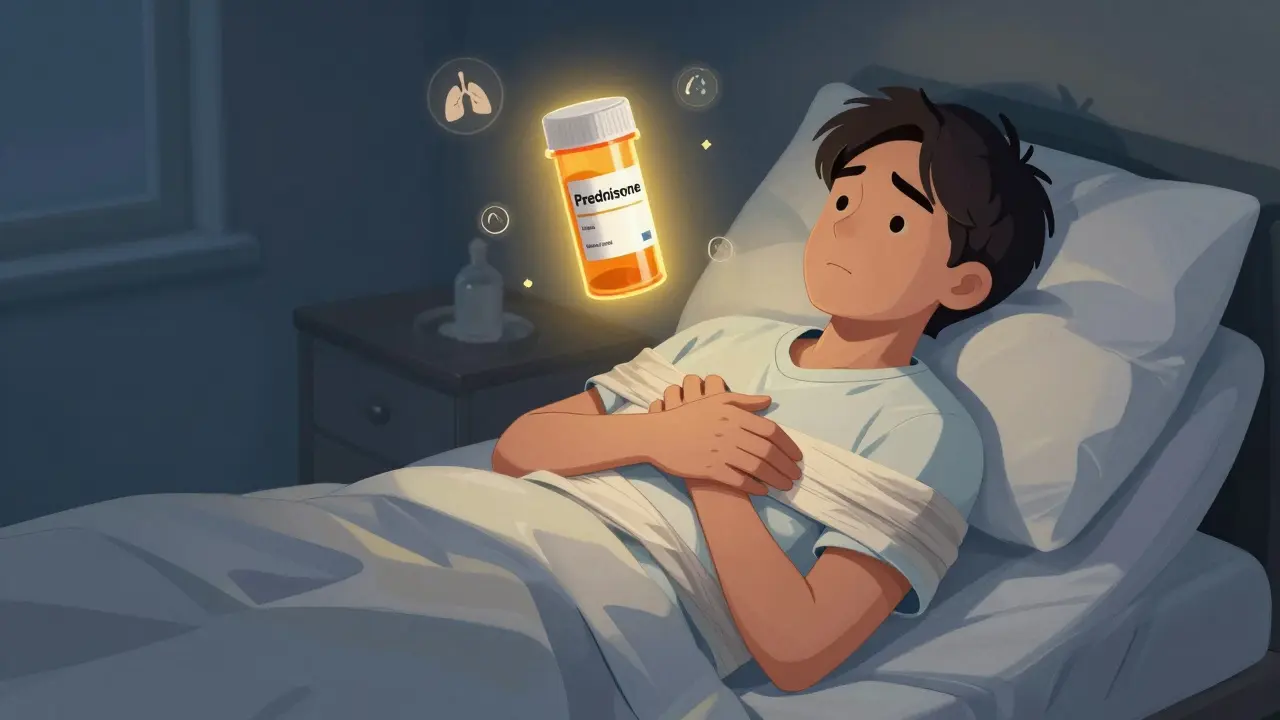

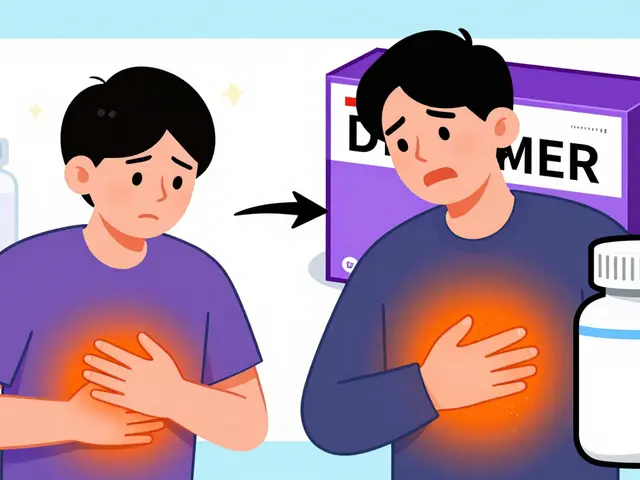
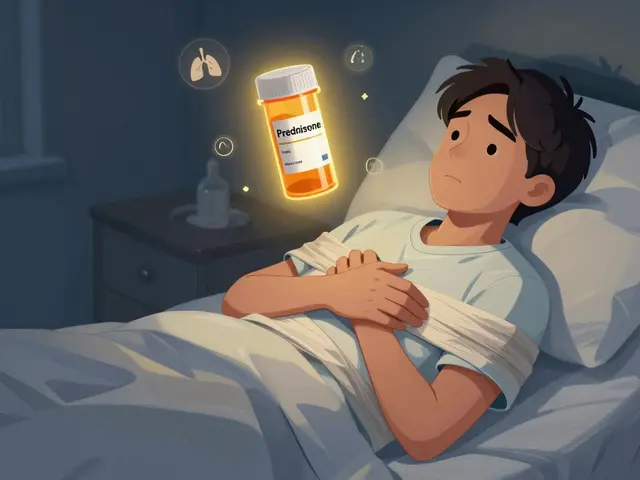
It starts with pain so bad you can’t sleep. Swollen joints. Breathing that feels like a tight band around your chest. Then your doctor hands you a prescription: corticosteroids. Within days, the pain fades. The swelling drops. You feel like yourself again. It’s magic. But that magic has a price-and it doesn’t always show up right away.
Why Corticosteroids Work So Fast
Corticosteroids aren’t just another pill. They’re synthetic versions of cortisol, the hormone your body makes naturally to handle stress and inflammation. When you’re in crisis-like a lupus flare, a bad asthma attack, or sudden rheumatoid arthritis pain-your body can’t produce enough. That’s where these drugs step in. They don’t just calm inflammation. They shut it down. Fast.Unlike DMARDs or NSAIDs that take weeks to kick in, corticosteroids like prednisone or methylprednisolone often work in under 48 hours. For someone stuck in the hospital with a severe flare, that’s life-changing. A 2021 study in Arthritis & Rheumatology found patients on corticosteroids saw their disease activity score drop by 2.1 points in just one week. Placebo? Zero. NSAIDs? Barely 0.7. That’s why ER doctors, rheumatologists, and pulmonologists still reach for them first.
And it’s not just pills. Injections into joints-like a cortisone shot in a swollen knee-can give relief that lasts weeks to months. For people with osteoarthritis who can’t afford surgery or waiting months for physical therapy, it’s a lifeline. The Cleveland Clinic reports 85% of patients start feeling better within seven days after an injection.
The Hidden Cost: What Happens After the Relief
But here’s the catch: your body doesn’t know the difference between the drug and its own cortisol. When you take corticosteroids for more than a few weeks, your adrenal glands start to shut down. They think, “Why make more if you’re already getting it?” That’s why stopping suddenly can cause adrenal insufficiency-fatigue, nausea, low blood pressure, even collapse.And the side effects? They pile up fast.
- Weight gain: 87% of long-term users gain an average of 12.4 pounds in just eight weeks-not from overeating, but from fluid retention and fat redistribution. That’s why people call it “moon face” or “buffalo hump.”
- Bone loss: Within the first six months, you can lose 3-5% of your bone density per month. That’s faster than menopause. One in eight long-term users develops osteoporosis, even if they’re young and active.
- High blood sugar: 41% of users see their glucose levels spike. Some develop steroid-induced diabetes that never fully goes away.
- Infections: A 2020 analysis of 1.5 million patients found short-term use (under 30 days) increased sepsis risk by 430% and blood clots by 230%. Your immune system isn’t just calmed-it’s turned off.
- Eye damage: Cataracts form faster. Glaucoma risk climbs. One study found 12% of people on steroids for over six months developed permanent eye changes.
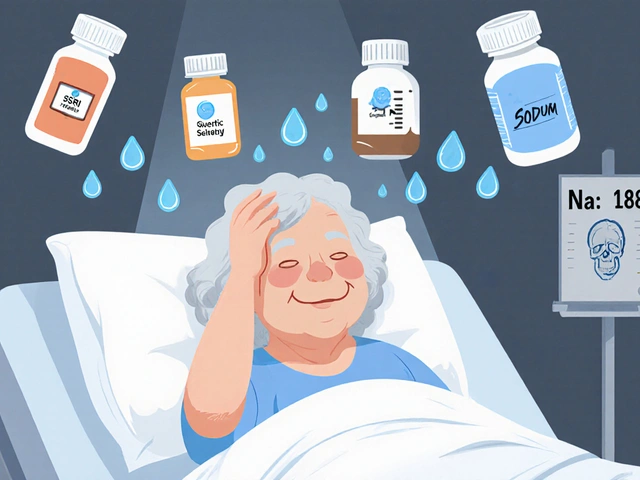
Real people talk about this on forums. One Reddit user wrote: “I took 20mg of prednisone for my lupus flare. My fever broke. My joints stopped screaming. But by day 14, my face looked like a balloon. I couldn’t see my neck. I cried every night.” Another HealthUnlocked user, 58, said: “I got off steroids after six months. My bones are brittle. I’m on two meds just to keep from breaking a rib sneezing.”
When Is It Worth It?
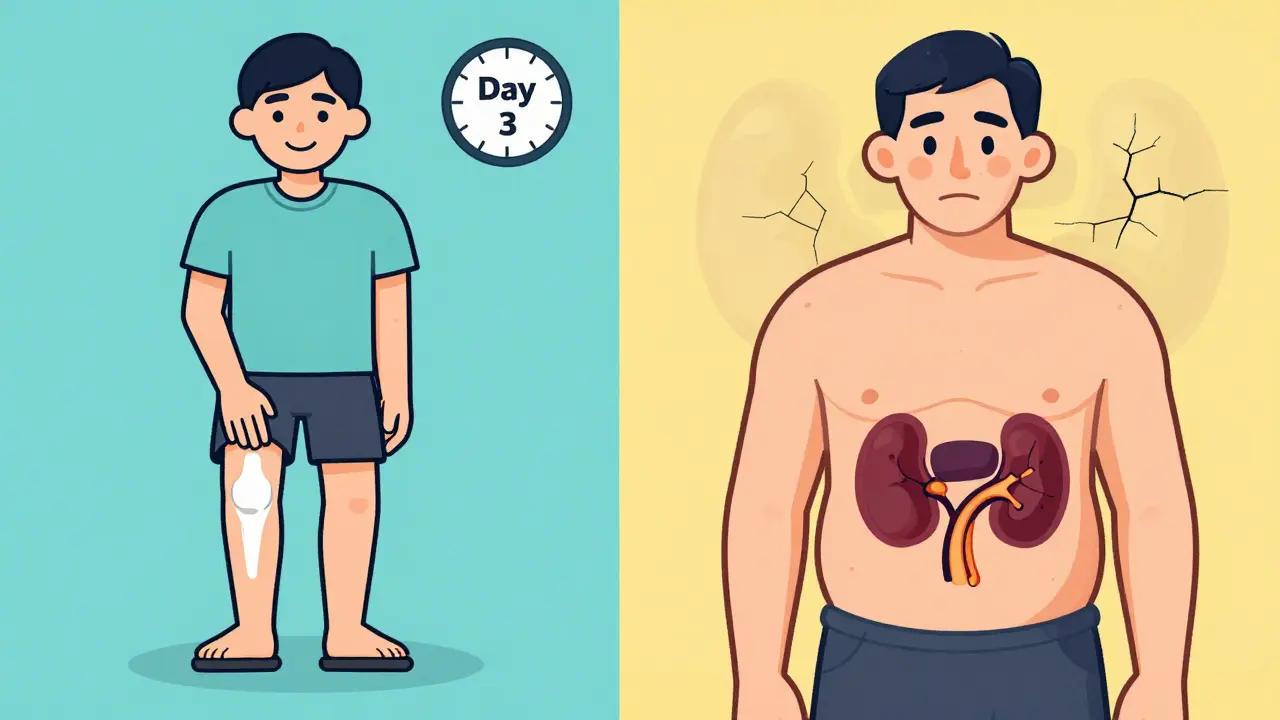
Not all corticosteroid use is dangerous. It’s about timing, dose, and purpose.For acute emergencies? Absolutely worth it. In severe asthma attacks, corticosteroids cut hospital stays by nearly two days. For peritonsillar abscess, they reduce the need for surgery by 27%. In anaphylaxis or severe allergic reactions, they’re lifesaving.
The American College of Rheumatology says: for inflammatory arthritis, stick to 12 weeks max at the lowest possible dose-usually 5-10mg of prednisone daily. Beyond that, the risks outweigh the benefits. And here’s the kicker: a 2023 meta-analysis found each extra month of steroid use past three months increases your 10-year mortality risk by 4.7%.
Doctors are starting to notice the misuse. In the U.S., 21% of adults get a corticosteroid prescription every few years. Nearly half of those are for things that don’t respond to steroids: common colds, bronchitis, back pain. A 2021 study estimated this inappropriate prescribing costs the U.S. healthcare system $1.2 billion a year. That’s hospitalizations for high blood sugar, fractures from brittle bones, infections that turn septic-all preventable.
How to Use Them Safely
If your doctor prescribes corticosteroids, ask these questions:- What’s the goal? Is this to get me through a flare? Or is it meant to be long-term? If it’s the latter, push for alternatives.
- What’s the lowest dose? Don’t start at 40mg if 10mg will do. Higher doses = faster damage.
- How long? If it’s more than two weeks, insist on a taper. Never stop cold turkey.
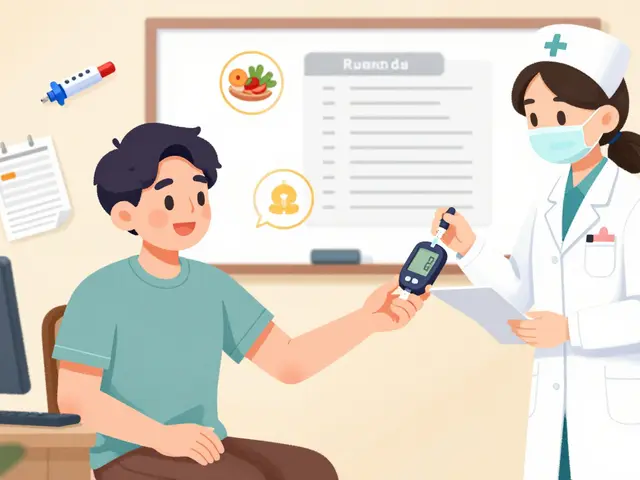
- What monitoring do I need? If you’re on more than 7.5mg daily for over three months, you need a DEXA scan for bone density, monthly blood sugar checks, and an eye exam every quarter.
- What supplements help? Calcium (1200mg), vitamin D (800IU), and sometimes a yearly bone shot like zoledronic acid can slow damage.
Some clinics now use electronic alerts to block inappropriate prescriptions. If your doctor tries to write a 10-day course for a sinus infection, the system should flag it. But not all do. You have to be your own advocate.
The New Hope: Better Alternatives on the Horizon
The good news? Science is catching up. In December 2023, the FDA approved fosdagrocorat, the first selective glucocorticoid receptor modulator (SGRM). It works like prednisone to fight inflammation-but with 63% less impact on blood sugar and fat storage. Early trials show it’s just as effective for rheumatoid arthritis, without the weight gain or diabetes risk.Meanwhile, biologic drugs like TNF inhibitors and JAK inhibitors are becoming more accessible. They take longer to work-weeks, not days-but they don’t wreck your bones or blood sugar. For many, they’re the real long-term solution.
The American College of Physicians launched “Steroids Smart” in January 2024, requiring pre-authorization for any course longer than 10 days in Medicare plans. That’s a big step. Hospitals are now tracking who gets steroids and why. The goal? Cut inappropriate use by half.
Final Reality Check
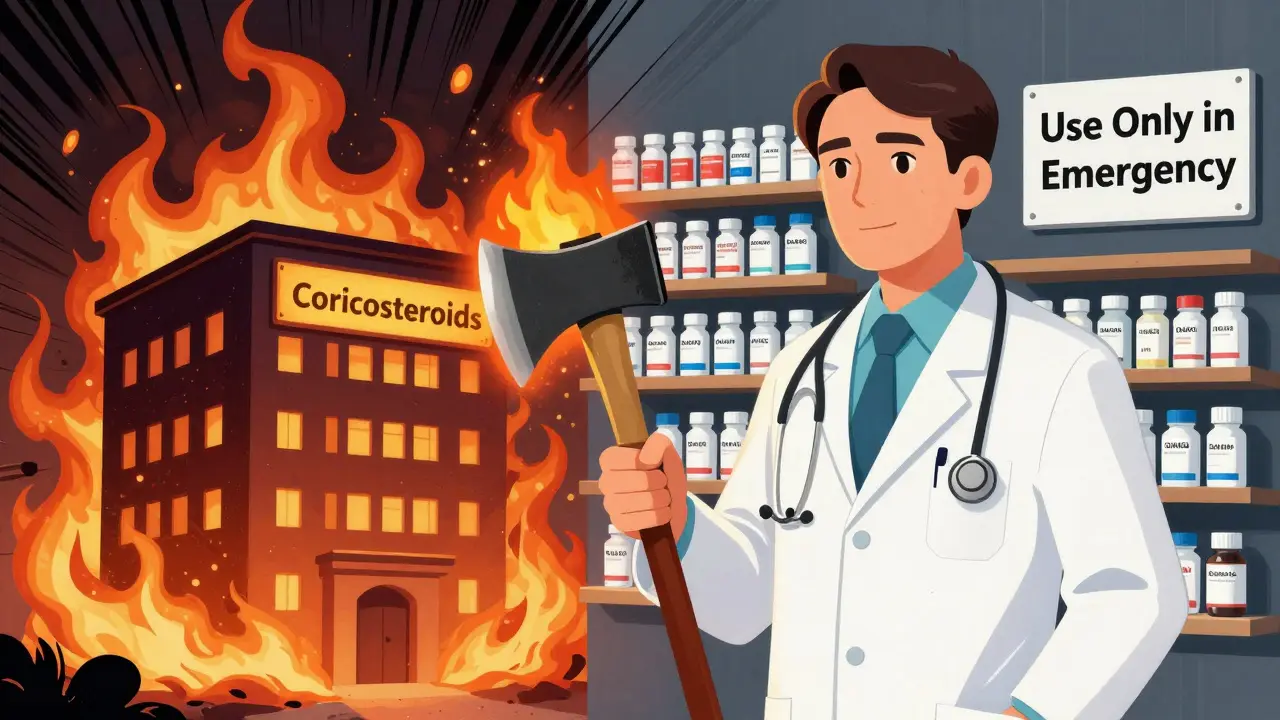
Corticosteroids are not evil. They’re not a cure. They’re a tool. A powerful, blunt tool. Like a fire axe-you don’t keep it in your living room. You pull it out only when the building is on fire.For the right person, at the right time, with the right monitoring, corticosteroids can be a miracle. But if you’re on them for months without a plan to get off, you’re not managing your disease-you’re trading one crisis for another.
Don’t fear them. Respect them. Ask the hard questions. Push for alternatives. And if you’ve been on them longer than three months? Talk to your doctor about a plan to taper-and protect your bones, your blood sugar, and your future.
Are corticosteroids safe for short-term use?
Yes, when used correctly. A course of 5-14 days at a low dose (e.g., 5-10mg prednisone) is generally safe for most people and carries low risk of long-term harm. But even short-term use can raise the risk of infection, blood clots, and high blood sugar-especially in older adults or those with diabetes. Always follow your doctor’s instructions and avoid using them for viral infections like colds or bronchitis, where they offer no benefit.
Can corticosteroids cause permanent damage?
Yes, especially with long-term use. After three months or more, risks of permanent damage rise sharply. Common irreversible effects include cataracts, osteoporosis leading to fractures, steroid-induced diabetes, and adrenal gland suppression that may take months or years to recover. A 2023 study found 29% of long-term users reported permanent changes even after stopping the medication. Bone density loss and eye damage are often irreversible.
How do I know if I’m on too high a dose?
Signs you’re on too high a dose include rapid weight gain (especially around the face and belly), stretch marks, severe mood swings, trouble sleeping, or blood sugar levels consistently above 140 mg/dL. If you’re on more than 7.5mg of prednisone daily for over three months, you should be getting regular bone scans, eye exams, and glucose checks. If your doctor isn’t offering these, ask why.
Can I stop corticosteroids cold turkey?
Never. Stopping suddenly can trigger adrenal crisis-a life-threatening drop in cortisol that causes vomiting, low blood pressure, confusion, and shock. Even if you’ve only been on them for two weeks, your body may have slowed cortisol production. Always taper slowly under medical supervision. For courses longer than 14 days, a taper over at least seven days is standard. For longer use, it may take weeks or months.
Are steroid injections safer than pills?
Injections are safer for localized issues like joint pain because they deliver the drug directly to the problem area, minimizing systemic exposure. But repeated injections (more than 3-4 per year in the same joint) can damage cartilage and tendons. Systemic side effects still occur if the drug enters the bloodstream. Injections are not a free pass-they’re still corticosteroids. Use them sparingly and only for confirmed inflammatory conditions, not general pain.
What are the best alternatives to corticosteroids?
For chronic inflammatory conditions like rheumatoid arthritis or lupus, disease-modifying drugs (DMARDs) like methotrexate or biologics like adalimumab are preferred for long-term use. For asthma or COPD, long-acting inhalers and newer oral medications like phosphodiesterase inhibitors are effective without systemic side effects. For acute pain, NSAIDs (with stomach protection) or physical therapy may be enough. The goal is to use corticosteroids as a bridge-not a permanent solution.
Doctors are starting to treat corticosteroids like opioids: powerful, effective, but dangerous if misused. The key isn’t to avoid them-it’s to use them wisely. Know the risks. Ask the questions. And never let convenience override caution.

9 Comments
Been on prednisone for 6 months after my lupus flare and I’m not gonna lie - it saved my life that first week. But yeah, the moon face? Real. The insomnia? Real. The panic when I tried to quit cold turkey? Also real. I’m on a slow taper now and doing DEXA scans monthly. It’s a trade-off, but I’d do it again if I had to.
People act like steroids are some evil pharmaceutical plot but if you’re dying from inflammation your body can’t control you’re not exactly in a position to be picky. This whole ‘steroids are opioids’ narrative is ridiculous. Opioids mask pain. Steroids fix the damn root cause. Stop fearmongering and start respecting physiology.
MY BEST FRIEND GOT A CORTISONE SHOT FOR HER KNEE AND NOW SHE’S ON ANTIDEPRESSANTS BECAUSE SHE CAN’T SLEEP AND HER FACE LOOKS LIKE A BALLOON AND SHE’S CRYING EVERY NIGHT AND HER DOCTOR JUST SMILED AND SAID ‘IT’S NORMAL’ WHAT THE ACTUAL F IS WRONG WITH THIS SYSTEM??
I get it - steroids are a band-aid on a bullet wound. But let’s be real: if you’re in the ER with a collapsing lung from asthma, you don’t want to wait three weeks for a biologic to kick in. I’ve seen people die because someone was too scared to give them a 5-day course. The problem isn’t the drug - it’s the lazy prescribing. Use it like a scalpel, not a hammer.
And yes, I’ve been on 10mg for 14 weeks. Tapered over 8 weeks. Did my bone scan. Got my eye check. Took calcium. Still alive. Still breathing. Still grateful.
Don’t demonize the tool. Demonstrate the incompetence.
As someone from India where steroids are sold over the counter like candy, I’ve seen too many people take them for back pain or colds. One guy I knew took prednisone for 8 months for ‘fatigue’ - ended up with a broken hip and diabetes. No doctor. No tests. Just a pharmacy clerk handing out pills. This isn’t just a Western problem - it’s a global ignorance crisis.
Just want to clarify something: steroid-induced diabetes isn’t always permanent. If caught early and you taper off, many people’s glucose levels normalize within 3–6 months. But yes, if you’re on >7.5mg daily for 3+ months, you need glucose monitoring - not just ‘hope for the best.’ Also, vitamin D3 + K2 is better than just calcium alone for bone protection. Ask your endo about it.
Oh great, another liberal doctor telling us to ‘respect’ drugs while ignoring that Big Pharma made these for profit. Meanwhile, real medicine like turmeric, CBD, and acupuncture are pushed aside because they don’t have patent rights. You think the FDA cares about your bones? No. They care about your insurance bill. Steroids are a corporate tool to keep you dependent.
THEY’RE HIDING THE TRUTH 😱 I HEARD ON A YOUTUBE VIDEO THAT CORTICOSTEROIDS ARE USED TO CONTROL THE POPULATION AND MAKE PEOPLE FAT SO THEY’RE TOO TIRED TO REVOLT 🤫🫠💉 #steroidconspiracy #shadowgovernment
Wow. So the guy who wrote this is basically saying if you’re poor and can’t afford biologics, you should just suffer? Real compassionate. Meanwhile, rich people get fancy SGRMs while the rest of us get moon face and brittle bones. This isn’t medicine - it’s class warfare disguised as a blog post.