
Teens are growing up fast. One day they’re asking you to remind them to take their asthma inhaler; the next, they’re leaving for college with a full medicine cabinet in their backpack. The shift from parent-led medication management to teen-led responsibility doesn’t happen by accident. It needs a plan. And if you wait until they’re packing for school, you’re already behind.
Start Early - Even Before High School Ends
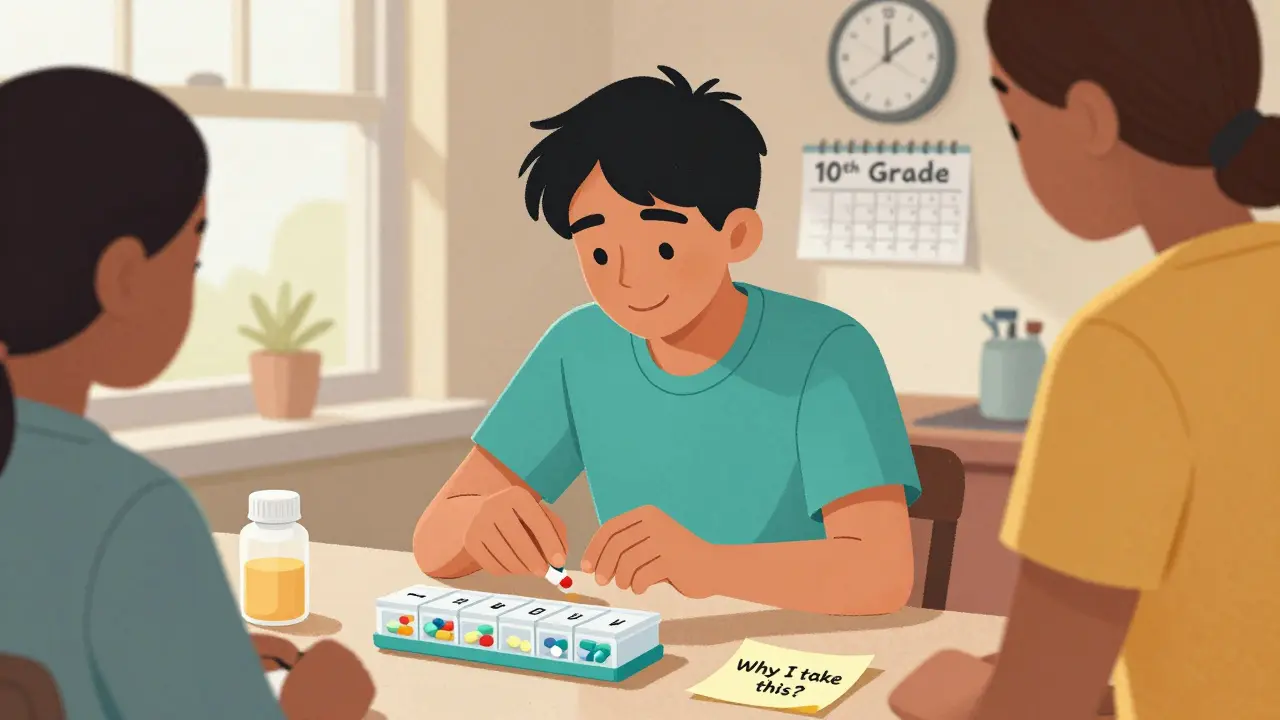
Don’t wait for your teen to turn 18 to hand over their meds. The American Academy of Pediatrics recommends starting the conversation in 10th grade. That’s not too early - it’s exactly right. By then, most teens are already juggling school, sports, part-time jobs, and social lives. Adding medication responsibility shouldn’t be a surprise. Start simple: have them identify each pill by name and color. Ask them why they take it. If they can’t explain it, you haven’t taught them yet. Understanding the purpose of each medication cuts down on confusion and misuse. A 2022 study found that teens who could clearly describe their meds were 45% less likely to skip doses or double up accidentally.Build Routines Around Existing Habits
Teens don’t need another chore. They need a system that fits into their life - not one that adds to it. The best way to do that? Tie medication to habits they already do every day. Brushing teeth? Taking meds after. Eating breakfast? Taking meds before. Getting ready for bed? Taking the night dose. Research from the University of Rochester shows this simple trick boosts adherence by 37%. Why? Because habits stick. Willpower doesn’t. If your teen forgets to take their ADHD medication because they’re rushing out the door, don’t yell. Ask: "Can we move it to after lunch?" Find the anchor in their day and attach the med to it.Use Tools - But Not Just Any Tools
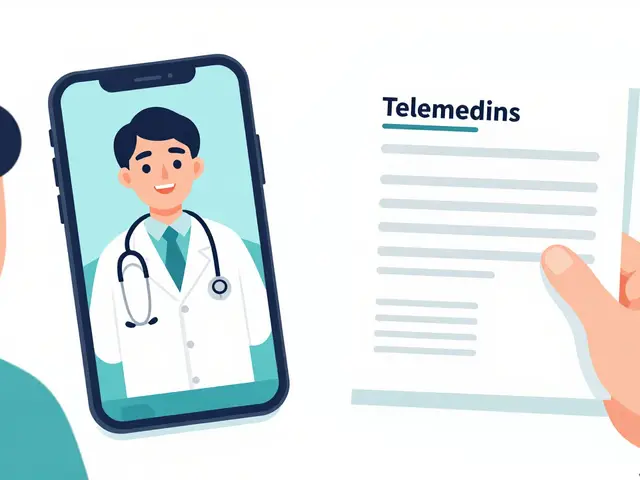
Pill organizers? Great. Smartphone alarms? Even better. But not all apps are created equal. Out of the 150+ medication apps available, only about 22% have been clinically tested for teens, according to the Mayo Clinic’s 2023 review. Stick to ones that work for real people: Medisafe and MyMeds are two that teens actually use. They send reminders, let users log doses, and even notify a parent if a dose is missed - with permission. A 2020 University of Michigan study showed that teens using these apps with multiple daily alarms improved adherence by 41%. Set up three alarms: one for morning, one for afternoon, one for night. If your teen says "I don’t need reminders," say: "I’m not asking you to trust yourself. I’m asking you to trust your phone."Teach Them to Talk to Doctors - Not Just You
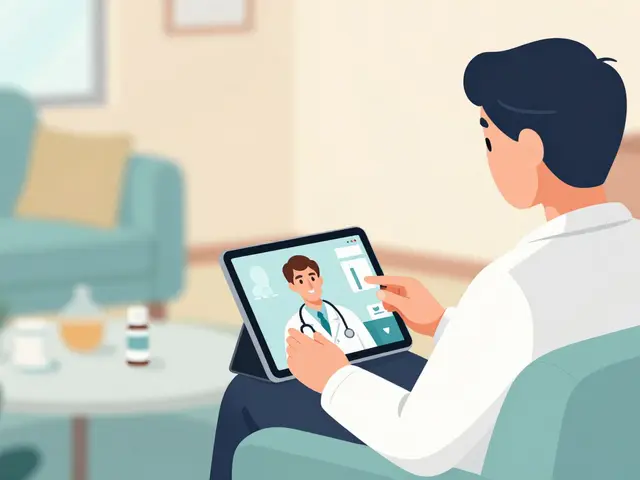
Too many teens never learn how to speak up about side effects, refills, or concerns. They stay silent because they’re embarrassed, scared, or think it’s not their place. Change that. Role-play doctor visits. Have them practice saying: "I’ve been feeling dizzy after I take this," or "I ran out of pills two days early - can we adjust the dose?" Make sure they know how to call the pharmacy for refills, check expiration dates, and ask about interactions. A teen who can manage their own refill requests is a teen who won’t run out of insulin or asthma meds during finals week. The National Kidney Foundation says this skill is non-negotiable for long-term health.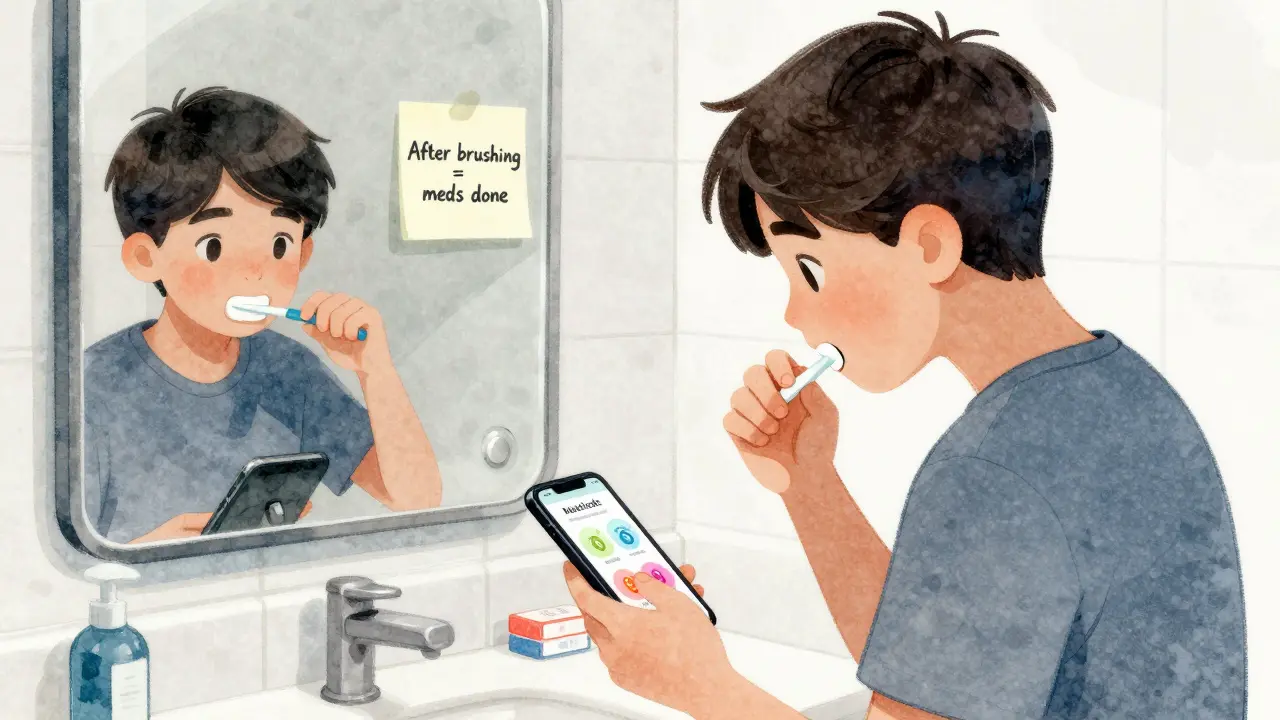
Lock It Up - Especially If It’s a Controlled Substance
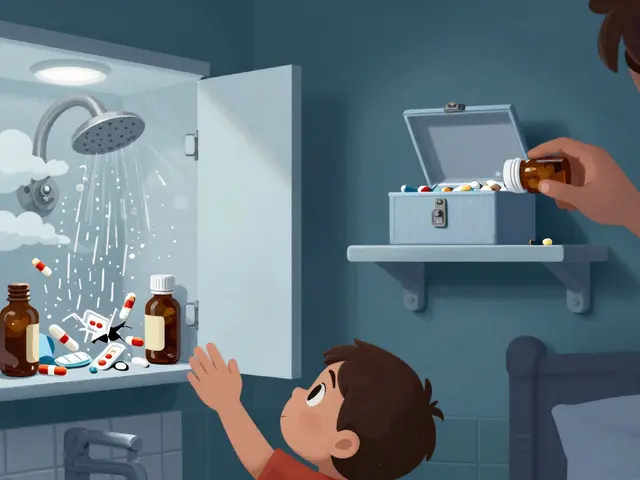
Painkillers, ADHD meds, anxiety pills - these are not candy. The DEA reports that opioids, stimulants, and benzodiazepines are the top three prescription drugs teens misuse. And they’re not stealing them from strangers. They’re taking them from the bathroom cabinet at home. Aetna’s 2021 guidelines are clear: keep all controlled substances in a locked box. Not a drawer. Not a high shelf. A lockbox. Even if your teen is responsible. Even if they’ve never touched anything else. Because one bad decision, one peer pressure moment, one "just to see what it feels like" can change everything. Store them separately from other meds. Count pills monthly. If you notice missing tablets, don’t accuse - ask. "I noticed your oxycodone count is off. Are you having trouble with the pain?" Open the door. Don’t slam it shut.Dispose of What’s Left - Fast
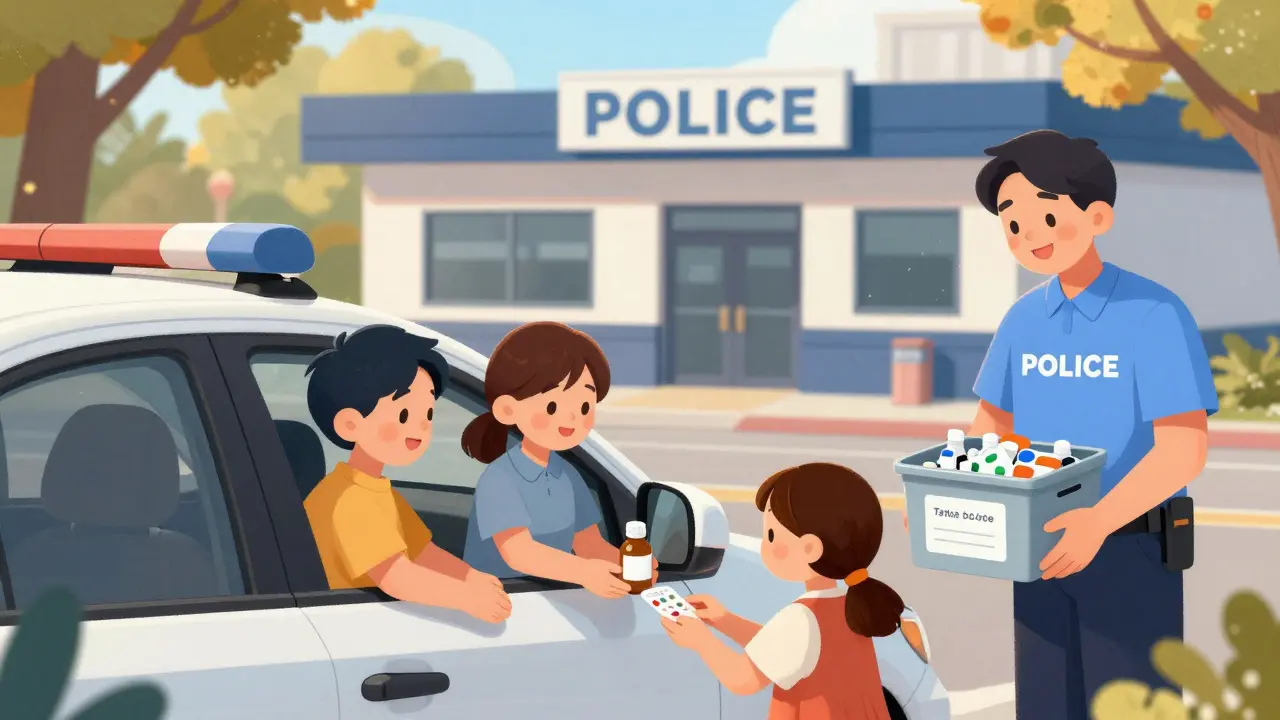
Unused meds are a ticking time bomb. A 2022 DEA report found that 60% of teens who misused prescription drugs got them from family or friends’ medicine cabinets. That’s not random. That’s access. After your teen finishes a course of antibiotics or painkillers, get rid of the leftovers immediately. Don’t flush them. Don’t toss them in the trash. Use a pharmacy take-back program. There are over 14,000 drop-off locations in the U.S. and Canada. Many local pharmacies, hospitals, and police stations offer free disposal. Ask your pharmacist - they’ll show you where. It’s not just safe. It’s responsible.Let Them Make Mistakes - But With a Safety Net
You’re not teaching them to be perfect. You’re teaching them to recover. If your teen misses a dose, don’t freak out. Say: "What happened? How can we fix it?" If they forget their inhaler at school, help them figure out how to carry it next time. The goal isn’t flawless compliance. It’s resilience. The Child Mind Institute recommends weekly check-ins at first - just 10 minutes over dinner. Ask: "What worked? What didn’t?" Then, as they prove they’re reliable, move to monthly. And finally, to spot-checks. This isn’t surveillance. It’s support. Teens who know they’re being watched - but not policed - are more likely to own their choices.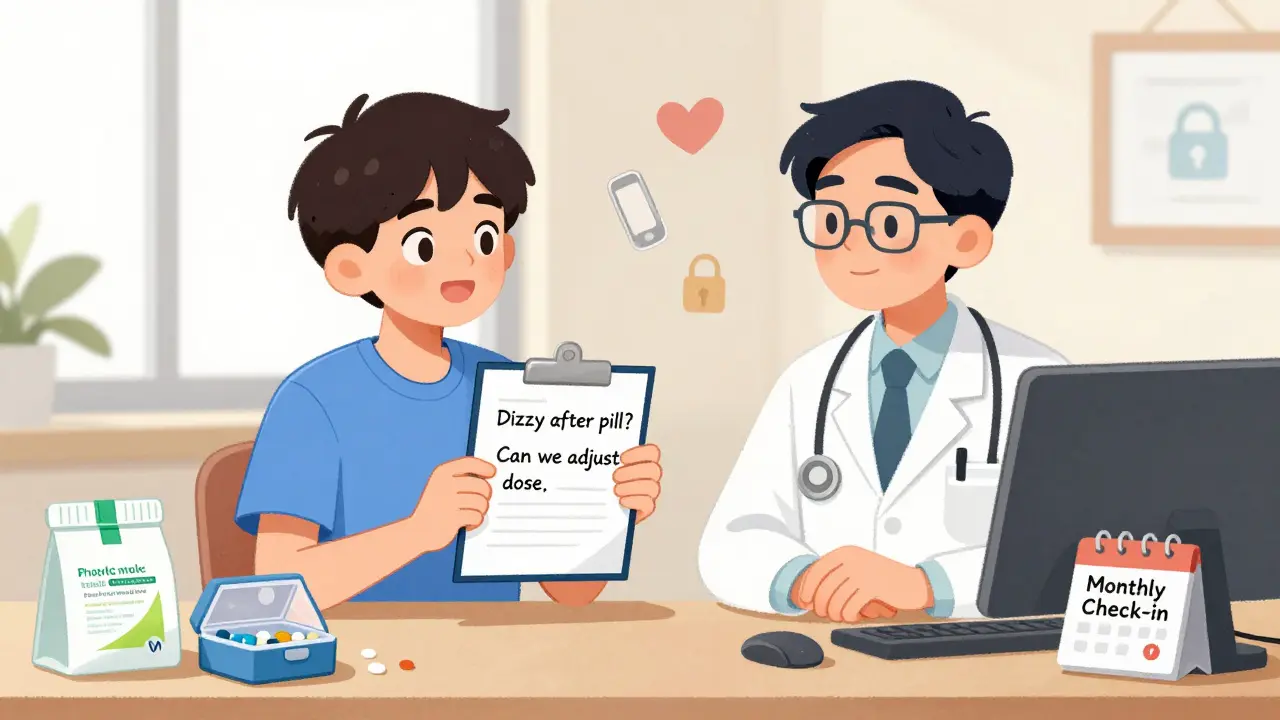
Involve Their Friends - Quietly
Peer pressure isn’t always bad. Sometimes, it’s the best tool you’ve got. If your teen has a close friend who also takes daily meds, encourage them to become medication buddies. A 2021 study in the Journal of Adolescent Health found that teens with a partner to check in with had 22% higher adherence rates. They remind each other. They celebrate wins. They share tips. You don’t need to know every detail. Just know they’ve got someone. That’s accountability without shame.Know the Signs of Misuse - And Act Fast
Misuse isn’t always obvious. A teen taking extra Adderall to study? That’s not "being productive." It’s dangerous. A teen crushing pills to get high? That’s addiction waiting to happen. Watch for: sudden mood swings, secrecy about meds, missing pills, asking for refills too early, or changes in sleep or appetite. The DEA says 70% of teens think prescription drugs are safer than street drugs. That’s a myth - and it’s killing them. If you suspect misuse, don’t wait. Talk to their doctor. Ask about the Generation Rx program. Schools using their curriculum saw 33% fewer misuse incidents in 2022. You’re not overreacting. You’re stepping in before it’s too late.This Isn’t Just About Pills - It’s About Independence
Managing meds isn’t a task. It’s a life skill. It’s learning to prioritize your health when no one’s watching. It’s saying no when others offer "extra" pills. It’s knowing when to ask for help. The same skills your teen learns managing their asthma inhaler or thyroid pill will help them manage stress, sleep, diet, and mental health as adults. And if they’re going to college? They’ll need this more than ever. A 2022 JAMA Internal Medicine study found that young adults who didn’t learn to manage meds before leaving home were three times more likely to be hospitalized for preventable complications. That’s not a risk worth taking.What Happens Next?
By 12th grade, your teen should be able to:- Name every medication they take and why
- Set and follow their own reminders
- Request refills from the pharmacy
- Report side effects to their doctor
- Store and dispose of meds safely
- Handle a missed dose without panic
At what age should I start teaching my teen to manage their own meds?
Start in 10th grade - around age 15 or 16. That’s when teens are developing the cognitive skills to understand long-term consequences and manage routines. The American Academy of Pediatrics recommends beginning the transition then so they’re ready before college. Don’t wait until they’re packing for school.
What if my teen refuses to take their meds?
Don’t force it. Ask why. Is it side effects? Embarrassment? Feeling like the meds aren’t helping? Talk to their doctor. Sometimes, switching to a once-daily pill or changing the time they take it makes a big difference. Also, involve them in the decision. Teens are more likely to stick with a plan they helped design. If it’s mental health-related, consider therapy alongside medication.
Are medication apps safe for teens to use?
Only some are. Out of more than 150 apps on the market, only about 22% have been clinically tested for teen use. Stick with Medisafe or MyMeds - both have been shown in studies to improve adherence. Avoid apps that don’t explain their safety features or require excessive personal data. Always check if the app allows you to receive alerts if doses are missed - with your teen’s permission.
Should I lock up my teen’s ADHD or pain meds?
Yes. Always. Even if your teen has never shown signs of misuse. The DEA says prescription stimulants and opioids are the second most common form of illicit drug use among teens after marijuana. These drugs are often taken from home medicine cabinets. A locked box prevents access by others and reduces the chance of accidental or intentional misuse. Store them separately from other medications.
How do I know if my teen is misusing their prescription drugs?
Watch for: missing pills, asking for refills too early, sudden mood swings, secrecy about meds, changes in sleep or appetite, or talking about "getting high" from their pills. Also, if they’re taking more than prescribed - even just once - that’s misuse. Don’t wait for a crisis. Talk to their doctor. Programs like Generation Rx offer free school-based resources to help teens say no to misuse.
What should I do with leftover pills after my teen finishes a course?
Dispose of them immediately through a pharmacy take-back program. Don’t flush them or throw them in the trash. Over 14,000 locations in the U.S. and Canada offer free, safe disposal. This prevents others - including friends or younger siblings - from accessing them. Unused meds in the home are the top source of teen prescription drug misuse.
Can my teen manage their own meds if they have a mental health condition?
Yes - but with extra support. Teens with depression, anxiety, or ADHD can learn to manage their meds, but they need more structure and monitoring. Work with their therapist and doctor to create a clear plan. Use apps with parental alerts. Schedule weekly check-ins. Don’t assume they can handle it alone. Mental health meds require more attention, not less.
What if my teen forgets their meds at school?
Help them build a system to prevent it. Keep a small pill case in their backpack, locker, or locker. Use a phone alarm labeled "Meds in Bag". If it happens often, ask: Is the routine too complicated? Are they carrying too much? Can we switch to a once-daily version? Don’t punish. Problem-solve.
9 Comments
Okay but like… I had a teen who forgot their inhaler for THREE MONTHS and just kinda… survived? Like, I thought we were doomed. Turns out they learned to carry it in their hoodie pocket and now they’re the one reminding their friends. Sometimes the system isn’t the problem-it’s just the delivery. 🤷♀️
Essentially, you're advocating for a bio-behavioral scaffolding paradigm predicated on habituation theory and instrumental conditioning, yes? But have you considered the ontological dissonance between adolescent neurodevelopmental plasticity and the rigid temporal demands of pharmacological adherence? The dopamine feedback loop is not a calendar app.
Bro. Medisafe? That app looks like it was coded in 2012. My cousin uses this thing called ‘PillPal’-it’s got AI that learns their schedule and texts them memes when they miss a dose. Also, it auto-orders refills from CVS. You’re still using alarms? 😭
Locking up meds is non-negotiable. But don’t just lock them. Label them. Include the prescription number and doctor’s name on the box. That way if your teen needs to show a pharmacist they’re legit, they can. Simple. Effective. No drama.
Let me guess-this entire guide was funded by Big Pharma. Locked boxes? App reminders? Take-back programs? All designed to keep teens dependent on pharmaceuticals while corporations profit. What about natural alternatives? Meditation? Diet? Why not teach them to heal themselves instead of relying on chemicals?
Teach teens? Nah. Just give them a pill and hope. Kids these days are lazy. They’ll forget. They’ll abuse. They’ll blame you. Let ‘em learn the hard way. That’s how I survived.
I’m so tired… I just… I had a 17-year-old who took 12 Adderall pills because his friend said it would help him ‘chill’… and now he’s in therapy… and I can’t sleep… and I keep checking the lockbox… and I just… I don’t know if I did enough…
Everyone’s overcomplicating this. Just make them take it at dinner. Every night. Same time. No alarms. No apps. No drama. If they forget? Too bad. Let them feel the consequences. That’s how you teach responsibility. Not with cute little notifications. Real life doesn’t have reminders.
My daughter missed her thyroid med for a week and her GPA dropped 2 points. We started using MyMeds with a weekly check-in. Now she’s got a 3.9 and doesn’t even need me to ask. Just say: ‘You got this.’ And walk away. It’s magic.