OTC Diarrhea Treatments: When to Use and When to See a Doctor
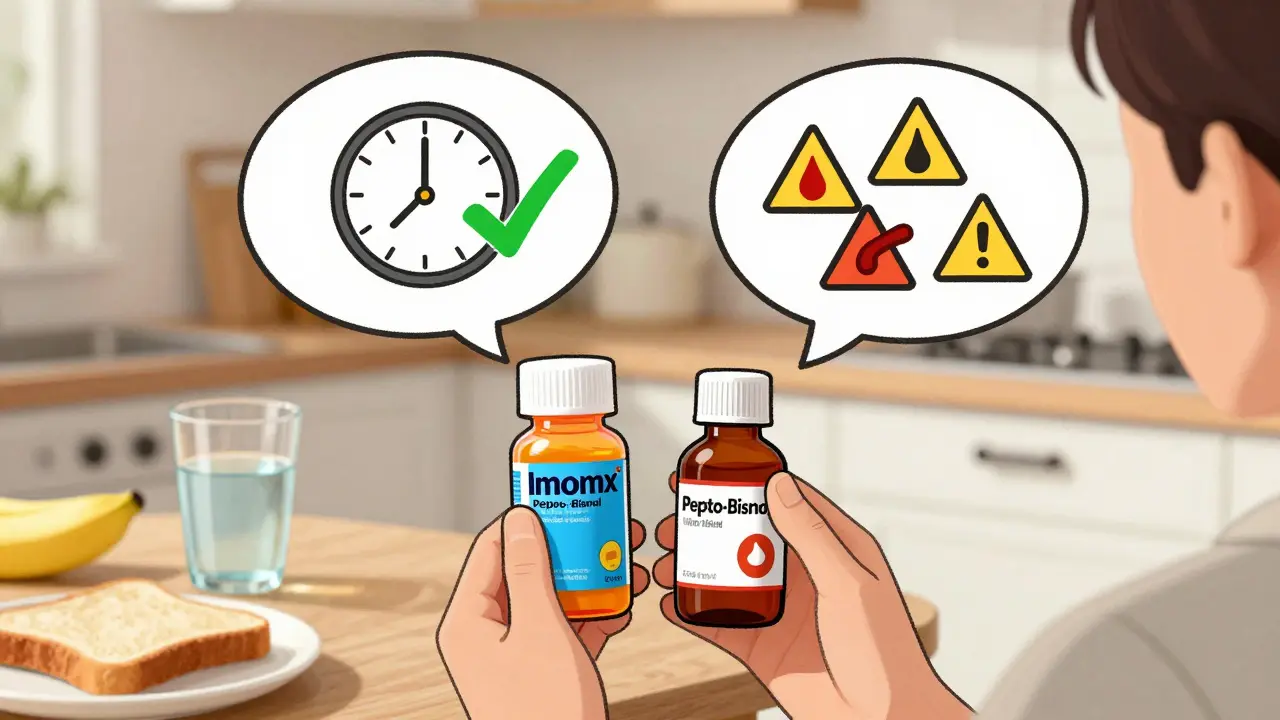
Learn when to use OTC diarrhea treatments like Imodium and Pepto-Bismol - and when they could be dangerous. Know the signs that mean it's time to see a doctor instead.
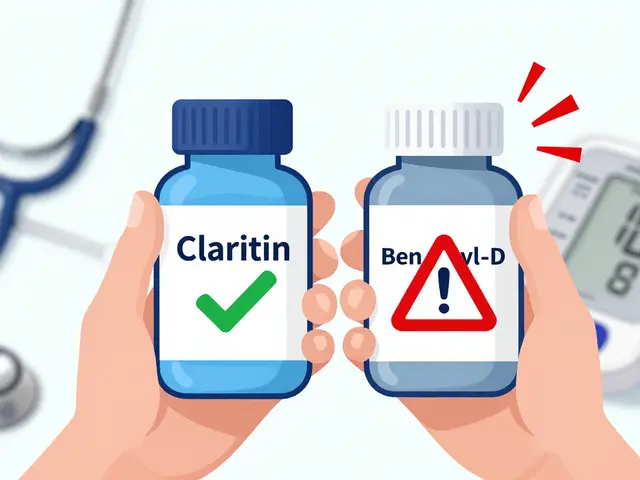
Antihistamines can affect blood pressure depending on the type. Second-generation options like loratadine and fexofenadine are safe for most people with high blood pressure, while decongestant combos and first-gen drugs like Benadryl carry risks. Learn which ones to choose and how to monitor safely.
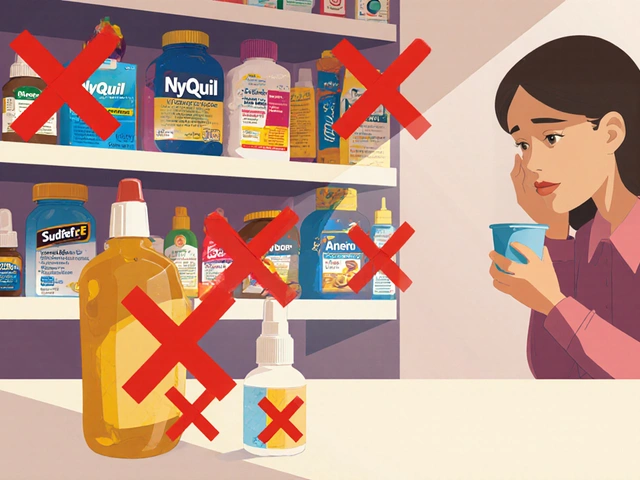
Most OTC cough and cold medicines don't work and can be risky, especially for kids. Learn what ingredients to avoid, what actually helps, and safer alternatives for all ages.
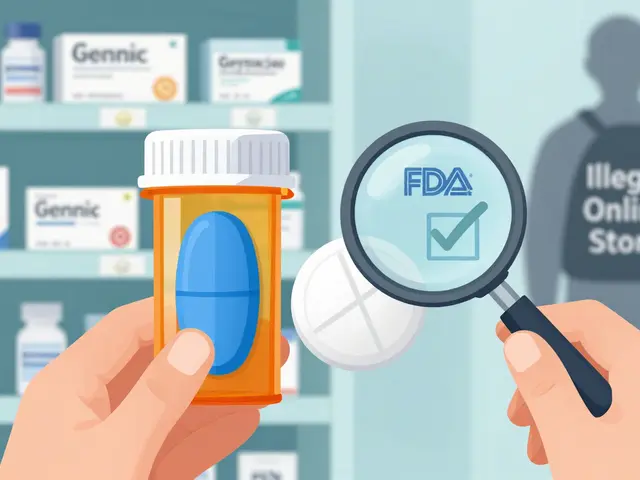
The FDA ensures generic drug quality through strict cGMP standards, unannounced inspections, and data-driven oversight. Learn how every step of manufacturing is monitored to guarantee safe, effective, and affordable medicines.
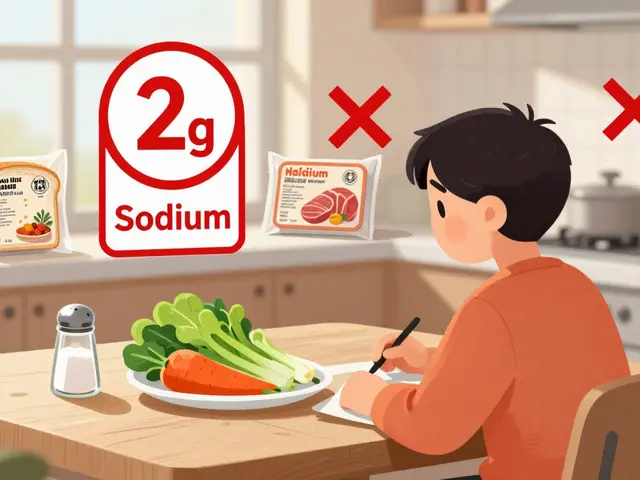
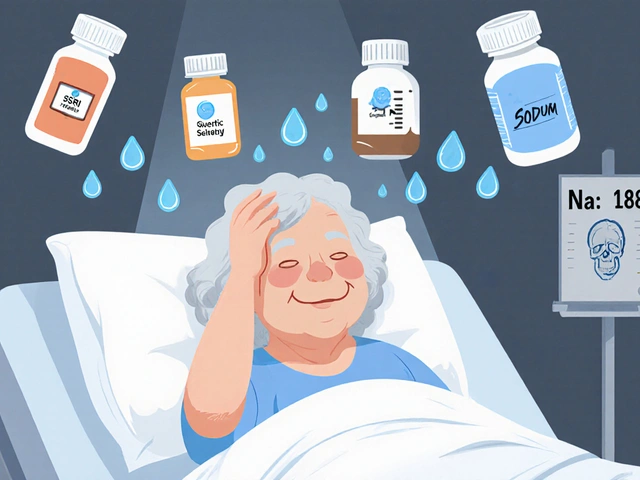
Medications like SSRIs and diuretics can cause severe hyponatremia, leading to confusion, seizures, and even death if missed. Learn the warning signs, who’s at risk, and how to prevent permanent damage.
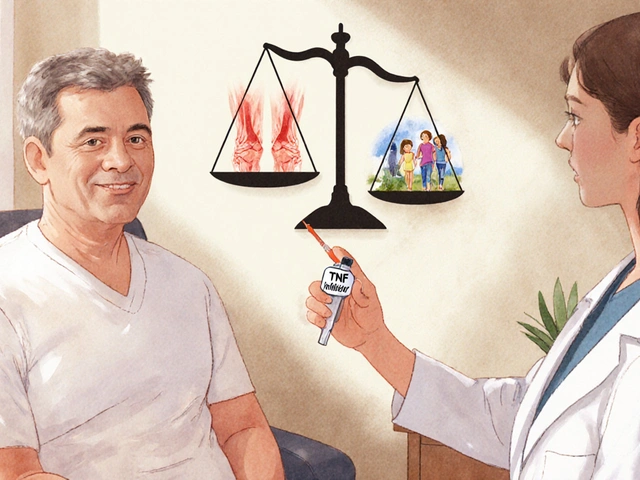
TNF inhibitors help control autoimmune diseases but raise questions about cancer risk. Learn what the latest data says about skin cancer, lymphoma, and whether adalimumab is riskier than etanercept - with real-world guidance for patients.